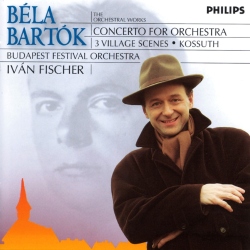
Béla Bartók
Falun, Village Scenes (3), Sz. 79
Released Album
Recent Album
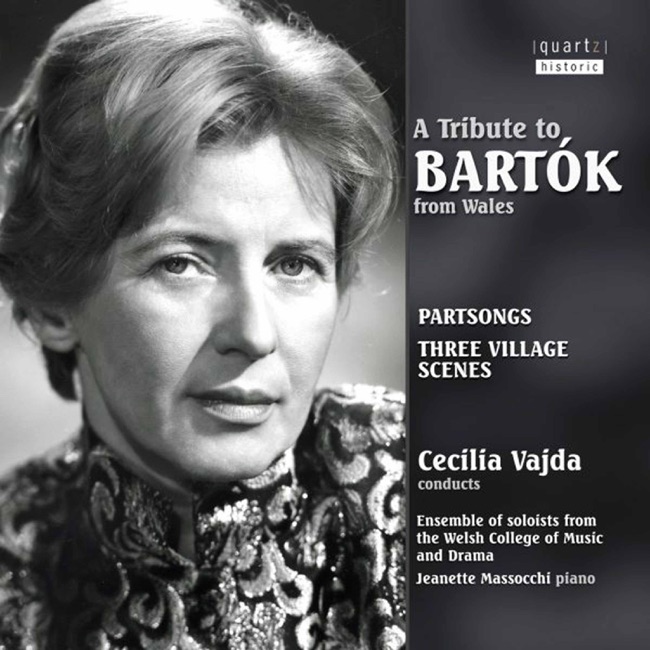
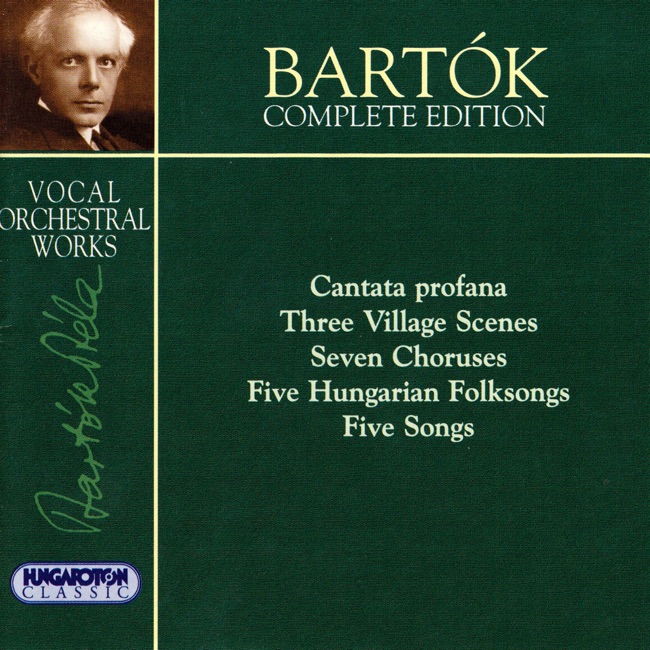
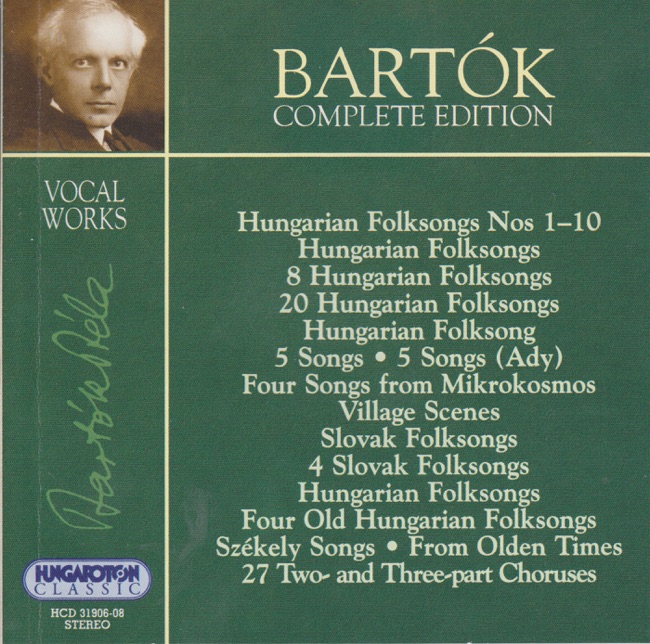
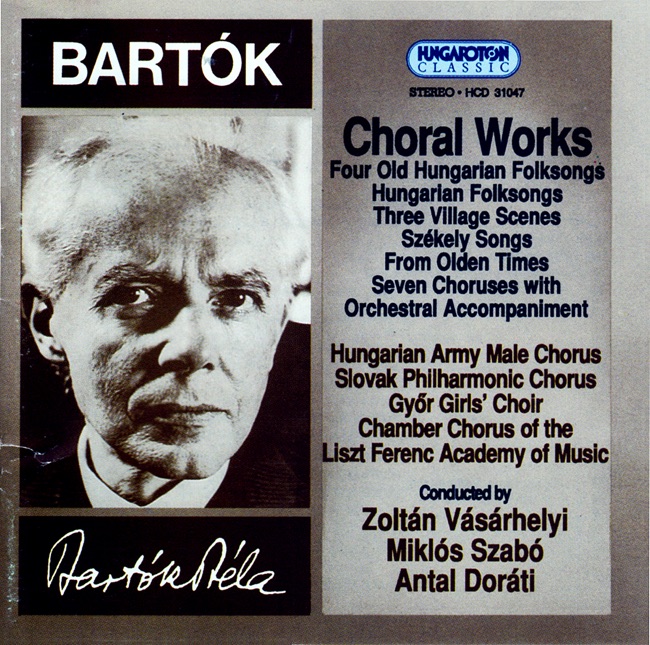
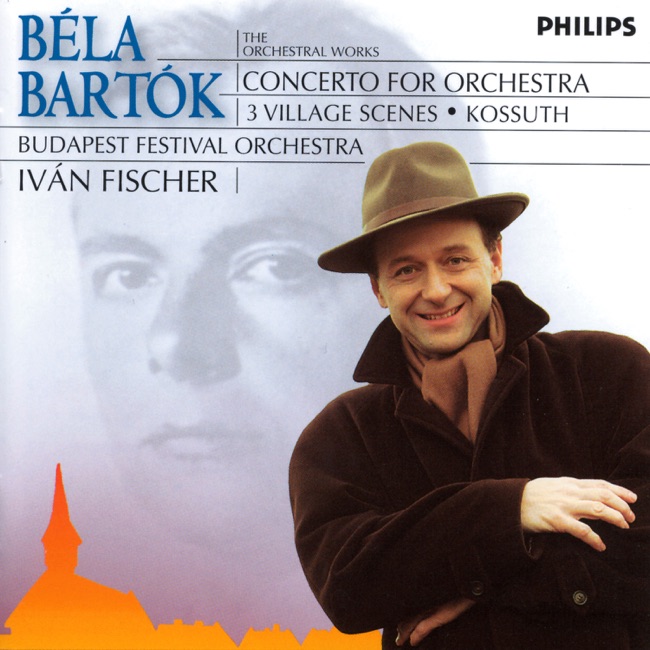
Featured Album
Works Info
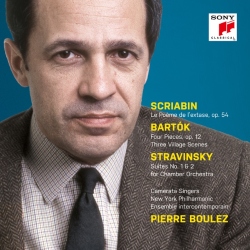
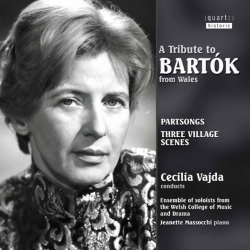
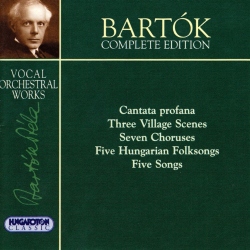
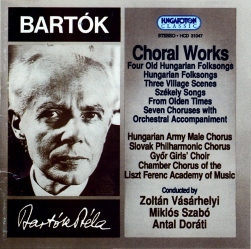
Composer:Béla BartókGenre:ChoralStyle:ChoralCompose Date:Nov 27, 1926Average_duration:11:11Movement_count:3Movement ....Béla Bartók's "Falun, Village Scenes (3), Sz. 79" is a three-movement work for piano, composed in 1918. The piece was premiered in Budapest on December 8, 1918, by the composer himself. The first movement, "The Old Couple," is a slow and melancholic piece that portrays the life of an elderly couple in a rural village. The music is characterized by its use of dissonant harmonies and irregular rhythms, which create a sense of unease and tension. The melody is simple and repetitive, reflecting the monotony of the couple's daily life. The second movement, "The Young Bride," is a lively and energetic piece that depicts the joy and excitement of a young bride on her wedding day. The music is characterized by its use of folk dance rhythms and melodies, which give the piece a festive and celebratory feel. The melody is playful and upbeat, reflecting the bride's happiness and anticipation. The third movement, "The Lads' Dance," is a fast and rhythmic piece that portrays a group of young men dancing in a village square. The music is characterized by its use of syncopated rhythms and driving melodies, which create a sense of energy and excitement. The melody is lively and dynamic, reflecting the youthful vigor of the dancers. Overall, "Falun, Village Scenes (3), Sz. 79" is a masterful example of Bartók's use of folk music in his compositions. The piece captures the essence of rural life in Hungary, with its use of traditional melodies and rhythms. The music is also notable for its use of dissonance and irregular rhythms, which reflect Bartók's interest in modernist techniques.More....
Works Music
Released Music
Featured Music