Gustav Holst
Walt Whitman Overture, Op. 7, H. 42
Released Album
Recent Album
Featured Album
Works Info
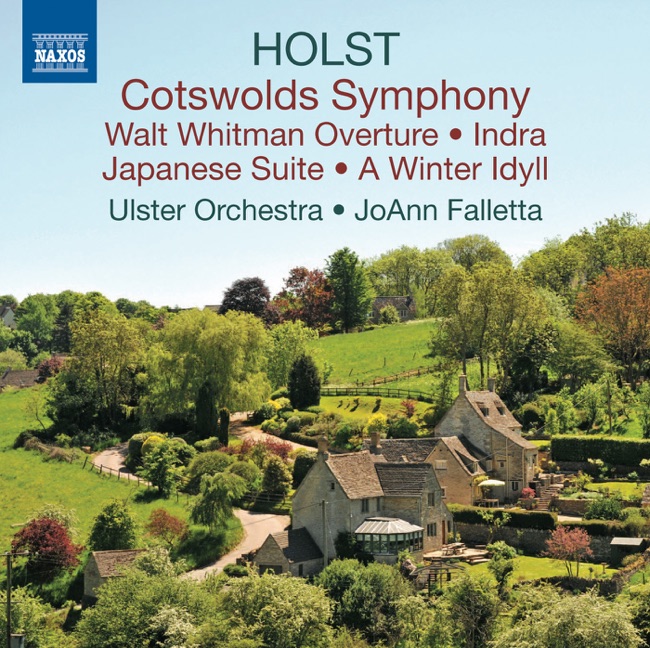
Composer:Gustav HolstGenre:OrchestralStyle:OrchestralCompose Date:1899Average_duration:7:28The 'Walt Whitman Overture, Op. 7, H. 42' is a composition by Gustav Holst, a British composer known for his works in the early 20th century. The overture was composed in 1899 and premiered on March 16, 1902, at the Crystal Palace in London. The piece is a tribute to the American poet Walt Whitman, who Holst greatly admired. The overture is divided into three movements, each of which reflects a different aspect of Whitman's poetry. The first movement, marked "Allegro con brio," is titled "The Voice of the Bard." It is a lively and energetic movement that captures the exuberance and optimism of Whitman's poetry. The second movement, marked "Andante," is titled "The Mystic Trumpeter." It is a more contemplative and introspective movement that reflects the spiritual and mystical themes in Whitman's work. The final movement, marked "Allegro," is titled "The Joy of Life." It is a celebratory and joyful movement that captures the exultant spirit of Whitman's poetry. The 'Walt Whitman Overture' is characterized by its use of bold and colorful orchestration, with a particular emphasis on brass and percussion. Holst's use of unconventional harmonies and rhythms also gives the piece a distinctive and modern sound. The overture is notable for its use of thematic development, with motifs from each movement recurring throughout the piece. Overall, the 'Walt Whitman Overture' is a vibrant and dynamic tribute to one of America's greatest poets. Holst's skillful orchestration and innovative approach to composition make it a standout work in his early career.More....
Works Music
Released Music
Featured Music