Ferruccio Busoni
Etude en forme de variations, Op. 17, KiV 206
Released Album
Recent Album

Works Info
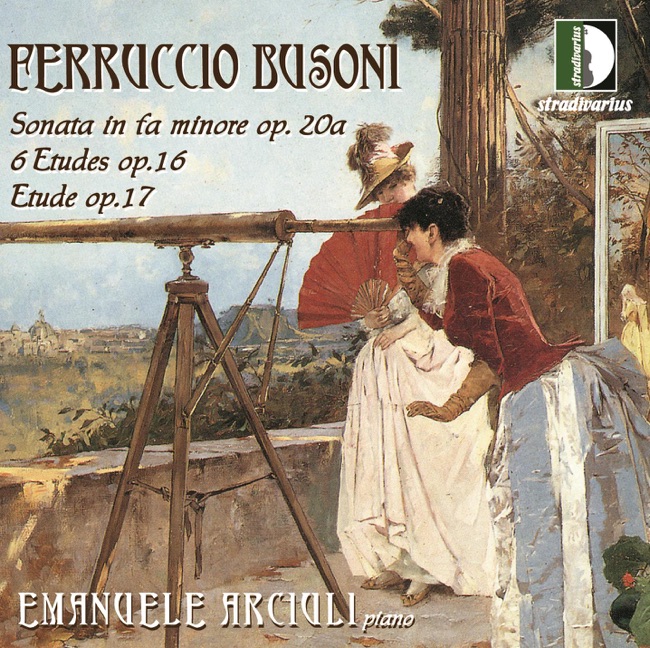
Composer:Ferruccio BusoniGenre:KeyboardStyle:EtudeCompose Date:1883Publication Date:1884First Performance:Mar 28, 1884Average_duration:8:48Ferruccio Busoni's 'Etude en forme de variations, Op. 17, KiV 206' is a piano work that was composed in 1894. It premiered in Berlin in the same year, with Busoni himself as the performer. The piece is divided into five movements, each of which is a variation on a theme that is introduced in the opening section. The first movement is marked 'Andantino', and it features a simple, lyrical melody that is played in the right hand while the left hand provides a gentle accompaniment. The second movement, marked 'Allegro', is more virtuosic, with rapid runs and arpeggios in both hands. The third movement, marked 'Andante', is a slower, more contemplative variation that features a more complex harmonic structure. The fourth movement, marked 'Allegro molto', is the most technically demanding of the five. It features rapid, staccato passages in both hands, with frequent shifts in tempo and dynamics. The final movement, marked 'Adagio', is a return to the lyrical simplicity of the opening section, with the theme played in a slower, more reflective manner. Overall, 'Etude en forme de variations' is a challenging and complex work that showcases Busoni's virtuosic piano writing and his ability to create a wide range of moods and textures. The piece is notable for its use of variation form, which allows Busoni to explore a single theme in a variety of different ways, showcasing his mastery of both melody and harmony.More....
Works Music
Released Music