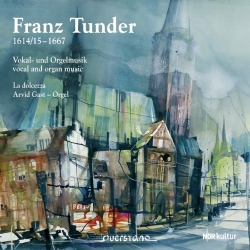
Franz Tunder
O Jesu dulcissime
Released Album
Recent Album
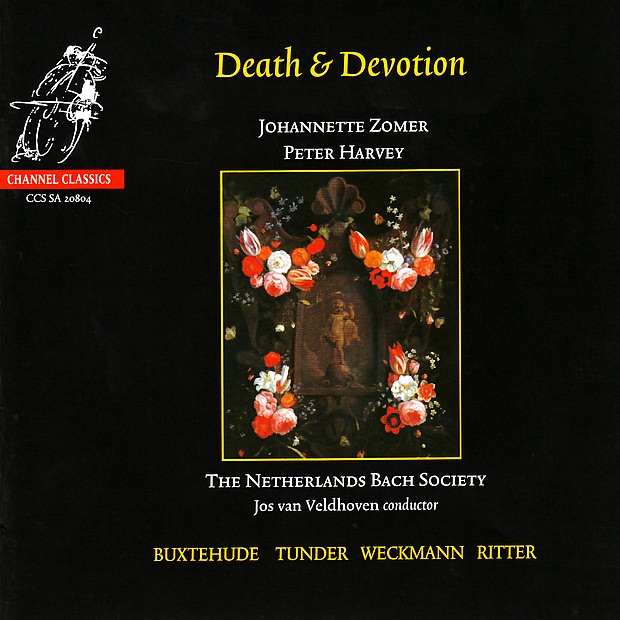
Featured Album
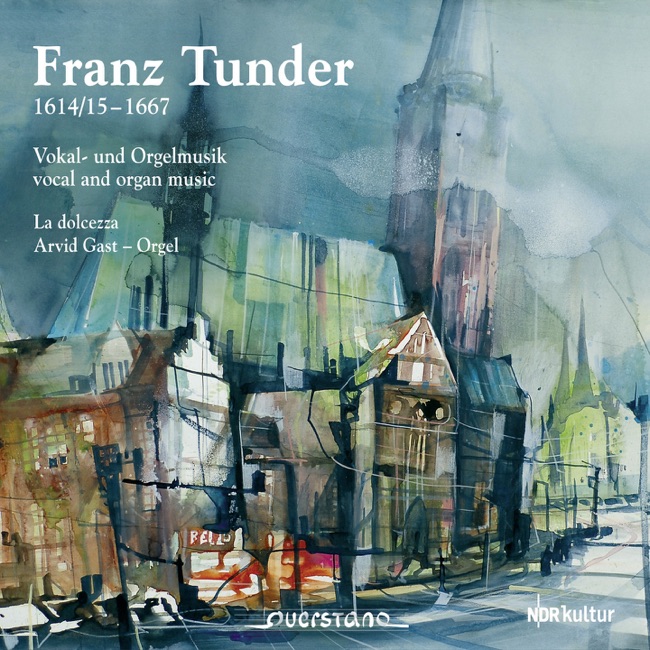
Works Info
Composer:Franz TunderGenre:VocalStyle:Vocal MusicAverage_duration:5:36Franz Tunder was a German composer and organist who lived from 1614 to 1667. He was born in Lübeck, Germany, and spent most of his life there. Tunder was a prominent figure in the North German Baroque school of music, and his works were highly regarded during his lifetime. One of Tunder's most famous works is his sacred vocal piece, "O Jesu dulcissime." This piece was composed in the mid-17th century and is believed to have been premiered in Lübeck, where Tunder served as the organist at the Marienkirche. "O Jesu dulcissime" is a multi-movement work that is scored for solo voice, two violins, and continuo. The piece is divided into three sections, each of which features a different text and musical style. The first movement is a setting of the Latin text "O Jesu dulcissime," which translates to "O sweetest Jesus." This movement is characterized by its gentle, flowing melody and its use of suspensions and dissonances to create a sense of tension and release. The second movement is a setting of the German text "Ach Herr, lass dein lieb Engelein," which translates to "Oh Lord, let your dear angels." This movement is more lively and upbeat than the first, with a faster tempo and a more rhythmic melody. The violin parts are particularly prominent in this movement, adding a sense of energy and excitement to the piece. The final movement is a setting of the Latin text "Ave maris stella," which translates to "Hail, star of the sea." This movement is the most complex of the three, with a more intricate melody and a greater use of counterpoint. The violin parts are also more complex in this movement, with frequent runs and trills that add to the overall sense of complexity and richness. Overall, "O Jesu dulcissime" is a beautiful and complex piece of music that showcases Tunder's skill as a composer and his deep understanding of the Baroque style. Its use of multiple movements and different texts adds to its richness and complexity, making it a beloved piece of sacred music that is still performed and enjoyed today.More....
Works Music
Released Music
Featured Music