Isaac Albéniz
Mazurka de salon in E flat major, Op. 81, B. 26
Released Album
Recent Album
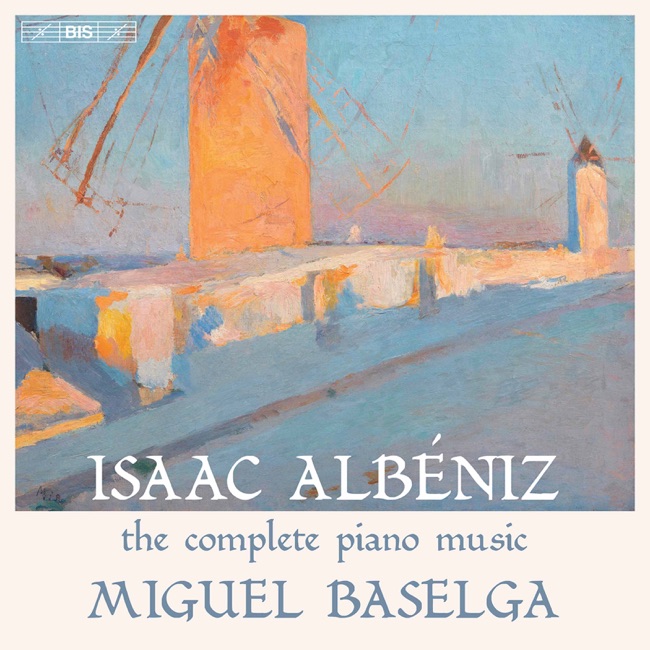


Works Info
Composer:Isaac AlbénizGenre:KeyboardCompose Date:ca. 1886Average_duration:5:58Isaac Albéniz's 'Mazurka de salon in E flat major, Op. 81, B. 26' is a delightful piano piece that was composed in 1894. The piece was premiered in Paris in the same year by the composer himself. The 'Mazurka de salon' is a type of dance music that was popular in the 19th century, and Albéniz's composition is a fine example of this genre. The piece is divided into three movements, each with its own distinct character. The first movement is marked 'Allegro con grazia' and is in 3/4 time. It begins with a lively and playful melody that is repeated throughout the movement. The melody is accompanied by a simple but effective left-hand pattern that gives the piece a light and airy feel. The second movement is marked 'Andantino' and is in 2/4 time. It is a slower and more contemplative piece that features a beautiful melody in the right hand. The left hand provides a gentle accompaniment that adds to the overall mood of the piece. The final movement is marked 'Allegro vivace' and is in 3/4 time. It is a lively and energetic piece that brings the composition to a rousing conclusion. The melody is once again repeated throughout the movement, but this time it is accompanied by a more complex left-hand pattern that adds to the excitement of the piece. One of the characteristics of Albéniz's 'Mazurka de salon' is its use of syncopation. This is particularly evident in the first and third movements, where the melody is often played off the beat. This gives the piece a lively and rhythmic feel that is typical of the mazurka genre. Another characteristic of the piece is its use of ornamentation. Albéniz adds trills, turns, and other embellishments to the melody, which adds to the overall charm of the piece. Overall, Albéniz's 'Mazurka de salon in E flat major, Op. 81, B. 26' is a delightful piano piece that showcases the composer's skill in writing for the instrument. Its three movements each have their own distinct character, and the piece as a whole is a fine example of the mazurka genre.More....
Works Music
Released Music
1
5:58