Nicolaus Bruhns
Adagio in D major
Released Album
Recent Album
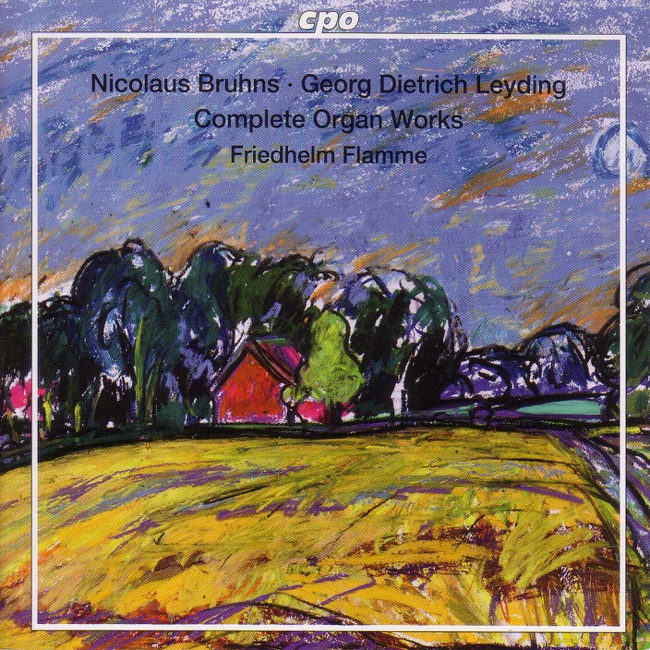
Works Info
Composer:Nicolaus BruhnsGenre:KeyboardStyle:KeyboardAverage_duration:1:54The Adagio in D major is a composition for organ by the German Baroque composer Nicolaus Bruhns. The exact date of composition is unknown, but it is believed to have been written in the late 17th century. The piece is in three movements and is characterized by its expressive and contemplative nature. The Adagio in D major was first premiered in the St. Mary's Church in Lübeck, where Bruhns was the organist. The piece was likely written for use in church services, as was common for organ music of the time. The first movement of the Adagio in D major is marked "Adagio" and is characterized by its slow tempo and expressive melody. The movement begins with a simple, yet beautiful melody played on the organ's principal stop. The melody is then repeated and developed, with the addition of more complex harmonies and ornamentation. The second movement of the Adagio in D major is marked "Allegro" and is a lively and energetic contrast to the first movement. The movement features a fast-paced melody played on the organ's reed stops, with the accompaniment provided by the organ's flutes and principals. The final movement of the Adagio in D major is marked "Adagio" and returns to the contemplative mood of the first movement. The movement features a beautiful melody played on the organ's flutes, with the accompaniment provided by the organ's principals and strings. The movement builds to a climax before returning to the peaceful and contemplative mood of the opening. Overall, the Adagio in D major is a beautiful and expressive piece of organ music that showcases Bruhns' skill as a composer and organist. The piece is characterized by its contemplative nature, expressive melodies, and use of the organ's various stops and registers.More....
Works Music
Released Music
7
1:54