Déodat de Sévérac
Valse Romantique
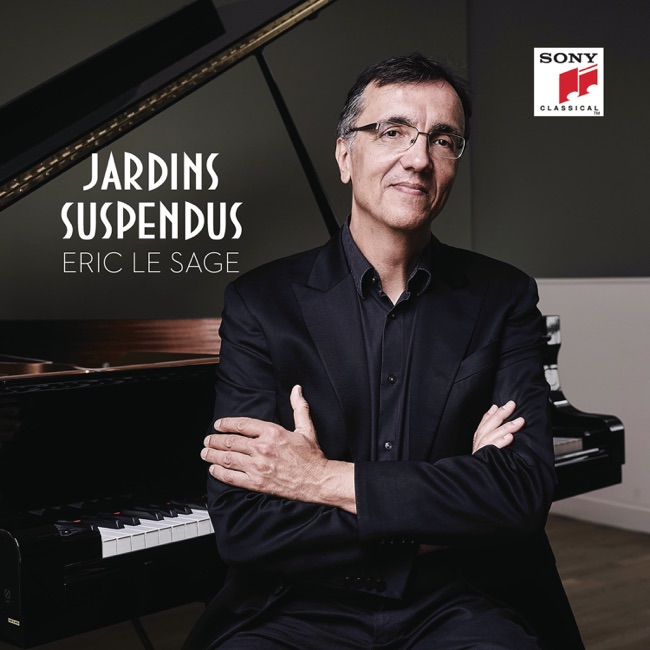
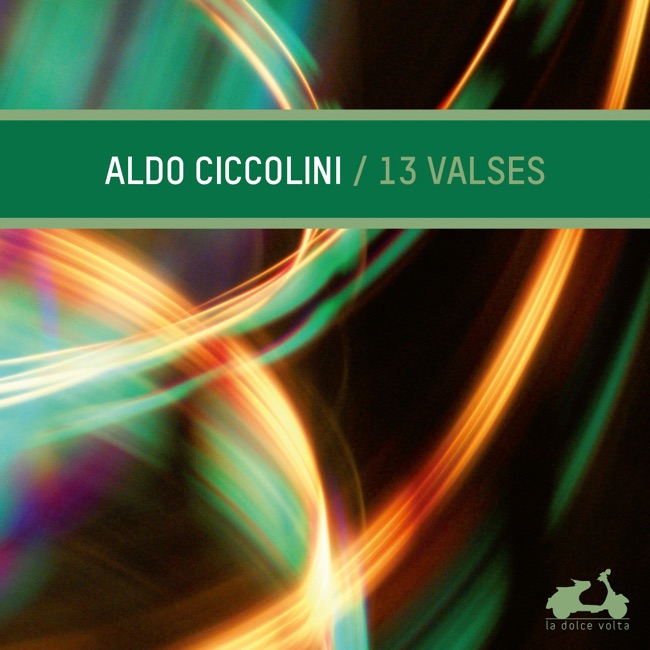
Released Album
Recent Album
Works Info
Composer:Déodat de SévéracGenre:KeyboardStyle:WaltzAverage_duration:3:13Déodat de Sévérac was a French composer who lived from 1872 to 1921. He was known for his use of traditional French folk music in his compositions, and his works often featured a romantic and nostalgic tone. One of his most famous works is the piano piece "Valse Romantique," which was composed in 1904. "Valse Romantique" is a solo piano piece that is approximately three minutes in length. It is written in the key of A-flat major and is in 3/4 time. The piece is divided into three distinct sections, or movements, each with its own unique character and mood. The first movement of "Valse Romantique" is marked "Très lent" (very slow) and is characterized by a dreamy, nostalgic quality. The melody is simple and lyrical, with a gentle, flowing accompaniment. The overall effect is one of wistful longing, as if the composer is reminiscing about a lost love or a bygone era. The second movement of "Valse Romantique" is marked "Assez animé" (fairly lively) and is more upbeat and energetic than the first. The melody is more complex and virtuosic, with a lively, dance-like rhythm. The accompaniment is also more intricate, with rapid arpeggios and cascading runs. This movement is a stark contrast to the first, and it feels as if the composer is trying to shake off his melancholy and embrace life with renewed vigor. The third and final movement of "Valse Romantique" is marked "Lent" (slow) and returns to the dreamy, nostalgic mood of the first. The melody is simple and plaintive, with a gentle, rocking rhythm. The accompaniment is sparse and delicate, with soft, shimmering chords. The overall effect is one of quiet resignation, as if the composer has come to terms with his feelings and is ready to move on. "Valse Romantique" premiered in Paris in 1904 and quickly became one of Sévérac's most popular works. It is still performed today and is considered a classic example of French impressionist music. The piece is notable for its use of traditional French folk melodies and its evocative, romantic mood.More....