


Déodat de Sévérac
Released Album
Keyboard
-

-

-
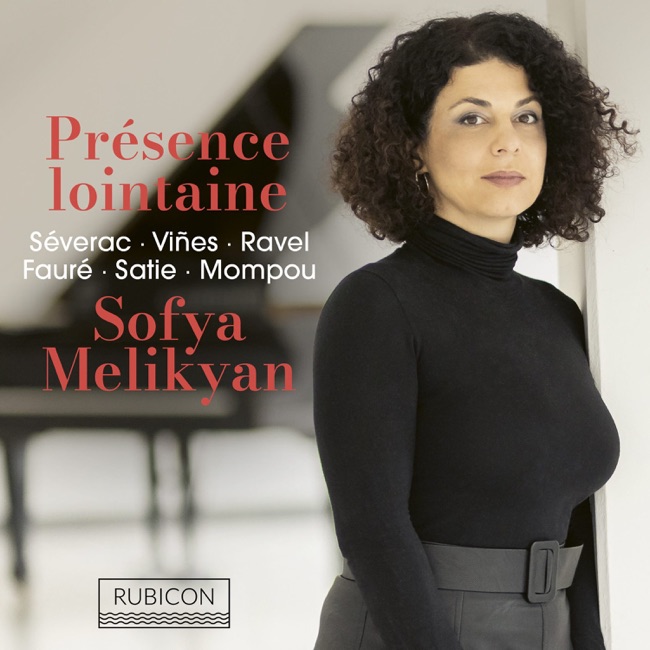 September 29, 2023
 -
 May 7, 2023
 -
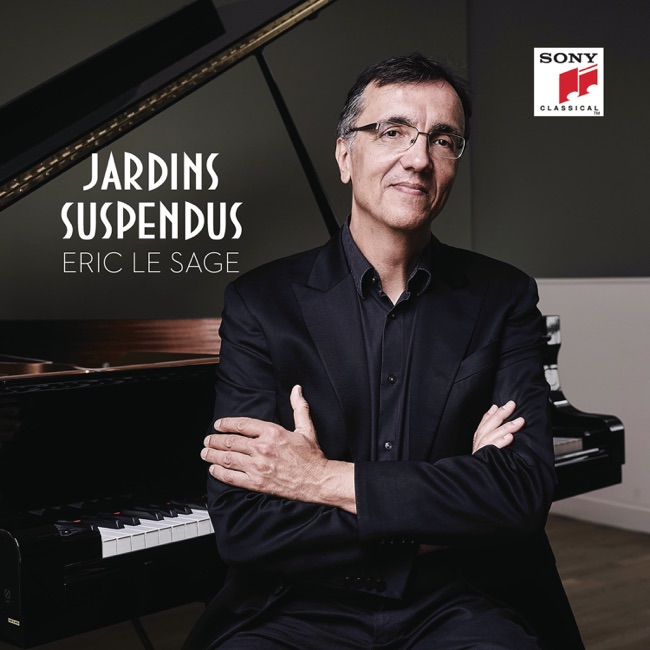 December 9, 2022
 -
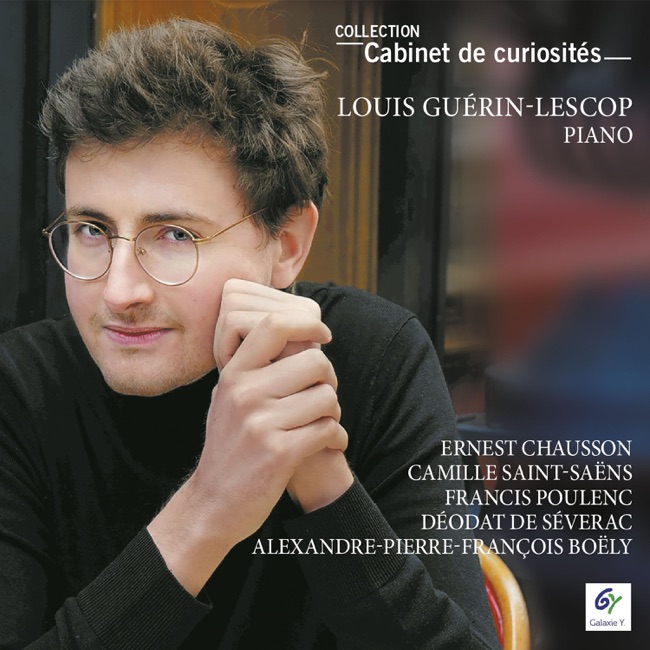 September 21, 2022
Vocal
-
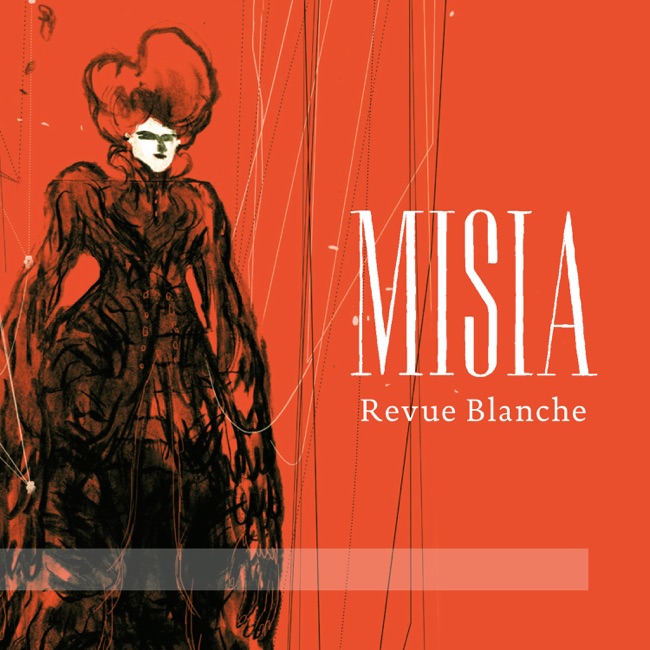 October 1, 2021
 -
 June 18, 2021
 -
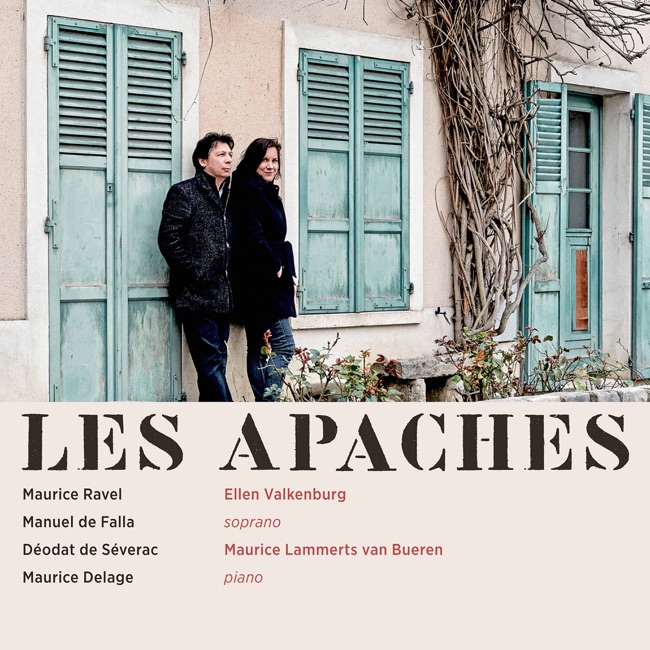 February 5, 2021
 -
 November 22, 2019
 -
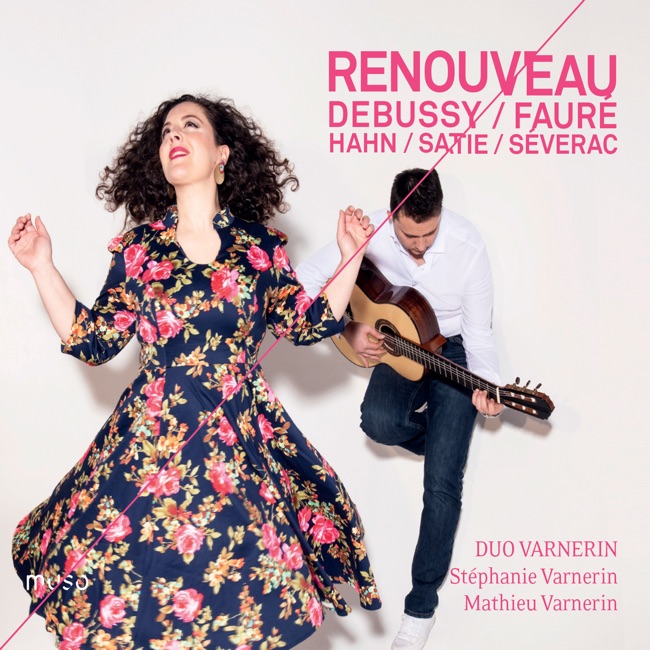 October 25, 2019
 -
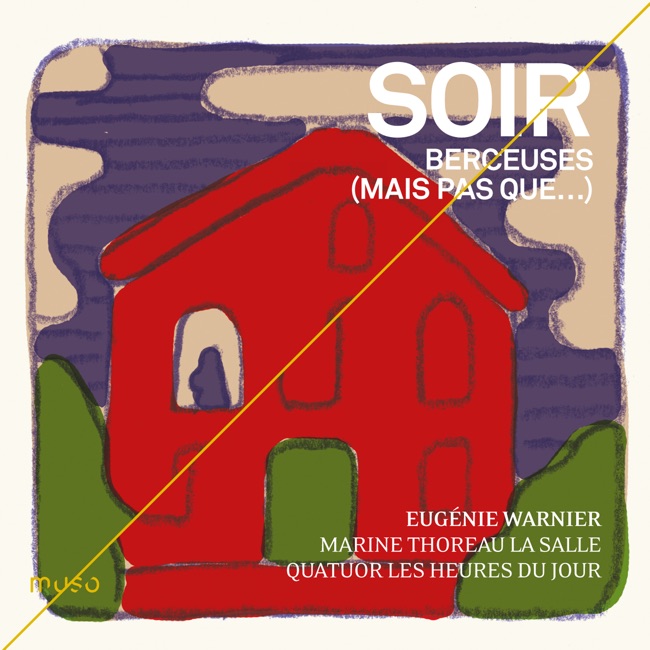 January 11, 2019
Opera
-
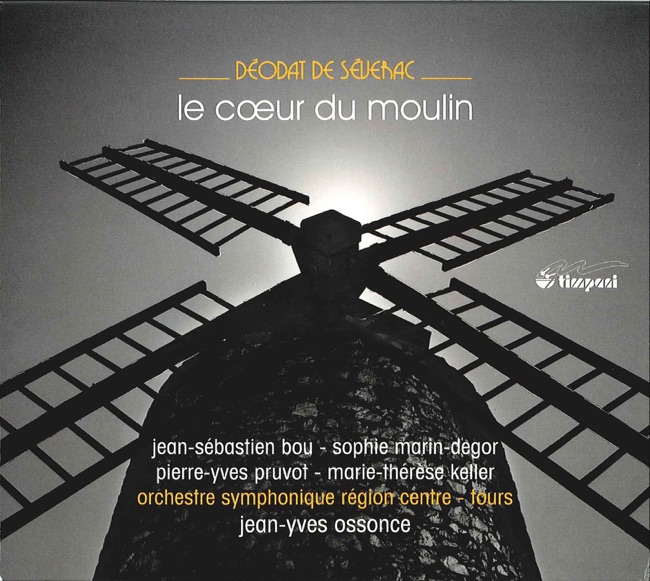 July 1, 2010
Artist Info
Role:ComposerCountry: FranceBirth:July 20, 1872 in Saint-Félix-Caraman, FranceDeath:March 24, 1921 in CéretPeriod:RomanticGenre:KeyboardVocalDéodat de Sévérac was a French composer who was born on July 20, 1872, in Saint-Félix-Lauragais, France. He was the son of a wealthy family and grew up in a musical environment. His mother was a pianist, and his father was a composer and musicologist. Sévérac began his musical education at a young age, studying piano with his mother and composition with his father. In 1891, Sévérac moved to Paris to study at the Conservatoire de Paris. He studied composition with Jules Massenet and piano with Louis Diémer. Sévérac was a talented pianist, and he won several prizes for his performances at the conservatory. However, he was more interested in composition, and he began to develop his own style. Sévérac was influenced by the music of Claude Debussy, and he became part of the group of composers known as Les Apaches. This group included Maurice Ravel, Manuel de Falla, and Igor Stravinsky, among others. They were known for their avant-garde approach to music and their rejection of traditional forms. Sévérac's early works were influenced by the folk music of his native region of Languedoc. He incorporated elements of this music into his compositions, creating a unique style that was both modern and rooted in tradition. His first major work was the piano suite En Languedoc, which was inspired by the landscapes and culture of his homeland. In 1904, Sévérac traveled to Spain, where he was introduced to the music of Manuel de Falla. This experience had a profound impact on his music, and he began to incorporate Spanish elements into his compositions. His most famous work, the suite Cerdaña, was inspired by the Catalan region of Spain. It is a colorful and vibrant work that captures the spirit of the region. Sévérac's music was not well-received by the conservative musical establishment in France. His use of folk elements and his rejection of traditional forms were seen as radical and controversial. However, he continued to compose and perform, and he gained a following among younger musicians and composers. During World War I, Sévérac served in the French army as a stretcher-bearer. He was wounded in battle and was awarded the Croix de Guerre for his bravery. After the war, he returned to his music, and he continued to compose until his death in 1921. Sévérac's music is characterized by its use of folk elements, its colorful harmonies, and its rejection of traditional forms. He was a pioneer of modern French music, and his influence can be heard in the works of later composers such as Olivier Messiaen and Francis Poulenc. His music is still performed today and is appreciated for its originality and its connection to the traditions of his homeland.More....
Recent Artist Music
4
5:49











Copyright Ⓒ 2013 Davinci Finger. All rights reseved
Service Terms & Policy