


Girolamo Frescobaldi
Il primo libro d'intavolatura di toccate di cimbalo et organo, No. 6, Toccata sesta
Released Album
Recent Album
Works Info
Composer:Girolamo FrescobaldiGenre:KeyboardStyle:ToccataPublication Date:1615 - 1628Average_duration:5:52Girolamo Frescobaldi was an Italian composer and keyboardist of the Baroque era. He was born in Ferrara in 1583 and died in Rome in 1643. He was one of the most important composers of keyboard music in the early Baroque period, and his works had a significant influence on the development of keyboard music in Italy and beyond. The Toccata sesta is the sixth piece in Frescobaldi's Il primo libro d'intavolatura di toccate di cimbalo et organo, which was published in 1615. The piece is written for keyboard instruments, and it is typically performed on the harpsichord or organ. The Toccata sesta is a virtuosic work that showcases Frescobaldi's skill as a keyboardist and his innovative approach to keyboard music. The Toccata sesta is divided into three movements. The first movement is a toccata, which is a type of keyboard piece that is characterized by its improvisatory style and virtuosic flourishes. The toccata is in a free form, with no strict meter or time signature. It begins with a series of rapid arpeggios and scales, which are followed by a series of more lyrical passages. The toccata ends with a virtuosic cadenza that showcases the performer's technical skill. The second movement is a fugue, which is a type of contrapuntal composition in which a theme is introduced and then developed through a series of imitative entries. The fugue in the Toccata sesta is a three-voice fugue, with the theme introduced in the upper voice. The theme is then imitated in the middle and lower voices, with each voice entering at a different interval. The fugue is characterized by its contrapuntal complexity and its use of chromaticism. The third movement is a toccata and fugue in combination. The toccata begins with a series of rapid arpeggios and scales, which are followed by a more lyrical section. The fugue is then introduced, with the theme presented in the upper voice. The fugue is developed through a series of imitative entries, with each voice entering at a different interval. The toccata returns at the end of the movement, with a virtuosic cadenza that brings the piece to a close. The Toccata sesta is a significant work in the history of keyboard music. It showcases Frescobaldi's innovative approach to keyboard music, with its use of virtuosic flourishes, chromaticism, and contrapuntal complexity. The piece has been performed and recorded by many keyboardists over the years, and it remains a popular work in the keyboard repertoire.More....
Works Music
Released Music
1
8:23
2
The first tablature book of cimbalo and organ toccatas, No. 6, Toccata sixth
Toccata sesta (Toccata e partite d'intavolatura di cimbalo, libro primo)
5:28
3
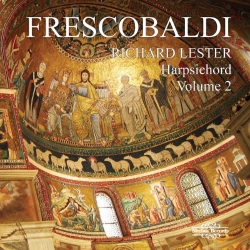
The first tablature book of cimbalo and organ toccatas, No. 6, Toccata sixth
Toccata Sesta (Il primo libro di Toccate e Partite d'intavolatura di cembalo)
5:45
4
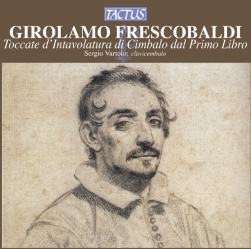
8:23
5
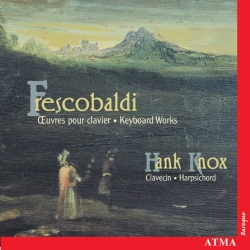
4:32
6
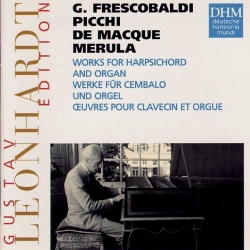
4:31