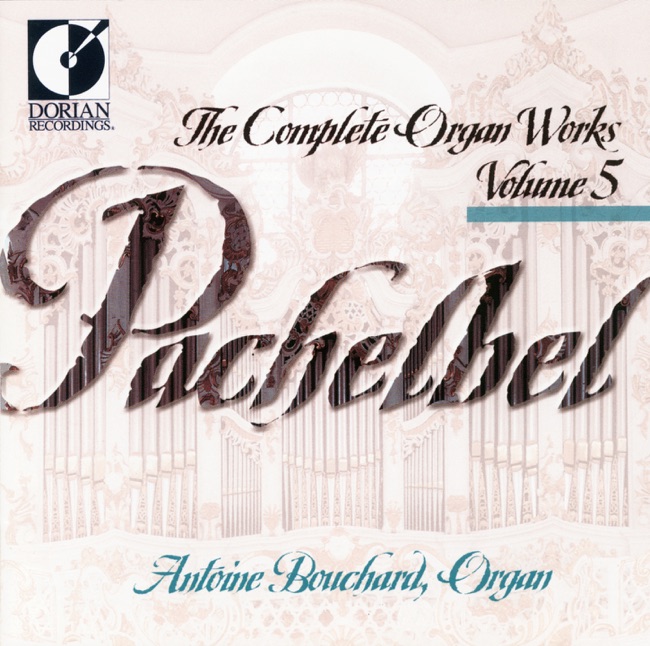
Johann Pachelbel
Magnificat Fugue in tone 5, No. 9, T. 161
Released Album
Recent Album
Works Info
Composer:Johann PachelbelGenre:KeyboardStyle:FugueCompose Date:before Apr 1706Average_duration:1:23Johann Pachelbel's Magnificat Fugue in tone 5, No. 9, T. 161 is a choral work that was composed in the Baroque era. It was written for a choir and orchestra and is based on the text of the Magnificat, a hymn of praise from the Gospel of Luke. The piece is known for its intricate fugue structure and its use of counterpoint. The Magnificat Fugue was composed in the late 17th century, around 1690. It was likely written for the church where Pachelbel worked as an organist and composer, St. Sebaldus Church in Nuremberg, Germany. The piece was first performed in a church service, as part of the Magnificat liturgy. The Magnificat Fugue is divided into several movements, each of which is based on a different section of the Magnificat text. The piece begins with a choral introduction, which sets the tone for the rest of the work. This is followed by a series of fugues, each of which is based on a different section of the text. The fugues are characterized by their intricate counterpoint and their use of imitative polyphony. One of the most notable features of the Magnificat Fugue is its use of tonal structure. The piece is written in tone 5, which was a common tonality in Baroque music. This tonality gives the piece a sense of stability and balance, which is reinforced by the use of counterpoint and the careful attention to harmonic progression. Overall, the Magnificat Fugue is a masterful example of Baroque choral music. Its intricate fugue structure and its use of counterpoint make it a challenging piece for performers, but its beauty and complexity have made it a beloved work of classical music.More....
Works Music
Released Music