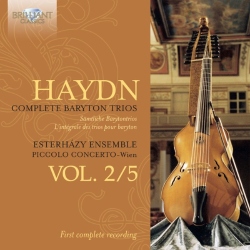
Franz Joseph Haydn
Baryton Trio in D major, H. 11/44
Released Album
Recent Album
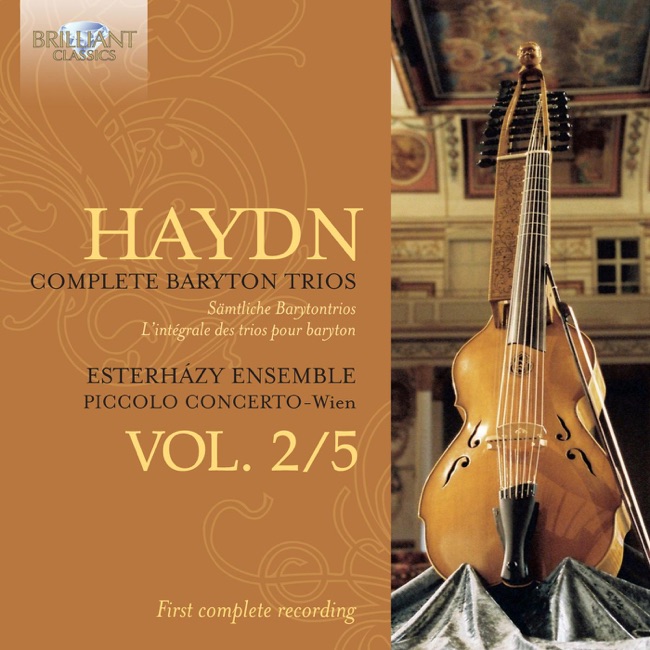
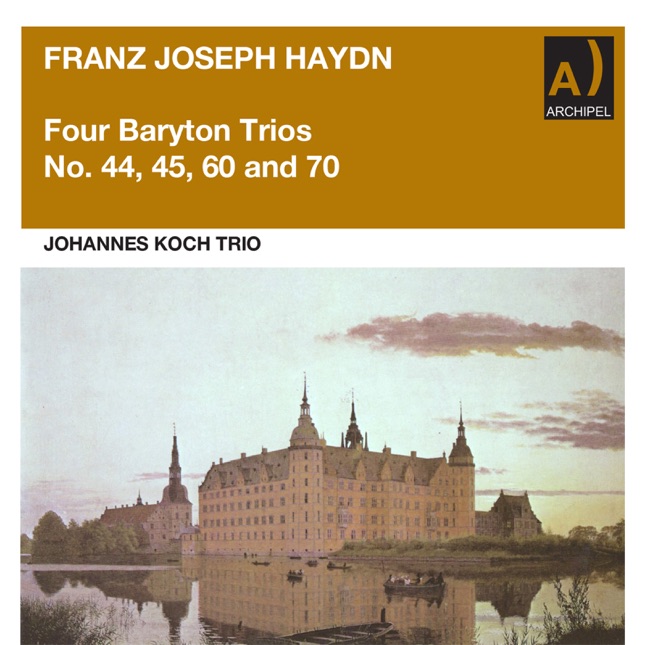
Works Info
Composer:Franz Joseph HaydnGenre:ChamberAverage_duration:11:55Movement_count:3Movement ....The Baryton Trio in D major, H. 11/44, is a chamber music piece composed by Franz Joseph Haydn. It was composed in the late 1760s or early 1770s, during Haydn's tenure as Kapellmeister for the Esterházy family. The piece was likely written for Prince Nikolaus Esterházy, who was an avid baryton player. The Baryton Trio in D major is a three-movement work. The first movement is marked Allegro, and features a lively and energetic theme that is passed between the baryton, viola, and cello. The second movement is marked Adagio, and is a slow and lyrical piece that showcases the baryton's ability to produce rich, sonorous tones. The final movement is marked Presto, and is a fast and playful piece that features intricate interplay between the three instruments. One of the most notable characteristics of the Baryton Trio in D major is the prominent role of the baryton. The baryton is a stringed instrument that was popular in the 18th century, particularly in the courts of Central Europe. It is similar to a viola da gamba, but has an additional set of strings that are played by the performer's left thumb. This allows the performer to produce a unique, buzzing sound that adds a distinctive texture to the music. Haydn was particularly skilled at writing for the baryton, and the Baryton Trio in D major is a prime example of his mastery of the instrument. The piece showcases the baryton's unique sound and capabilities, while also highlighting the interplay between the baryton, viola, and cello. The Baryton Trio in D major was likely premiered at the Esterházy court, where it would have been performed by Prince Nikolaus and his court musicians. Today, the piece remains a popular work in the chamber music repertoire, and is frequently performed and recorded by ensembles around the world.More....
Works Music
Released Music