


Joseph Rheinberger
Sonata for organ No. 6 in E flat major, Op. 119
Released Album
Recent Album
Works Info
Composer:Joseph RheinbergerGenre:KeyboardStyle:SonataAverage_duration:23:25Movement_count:4Movement ....The 'Sonata for organ No. 6 in E flat major, Op. 119' is a masterpiece of the Romantic era composed by Joseph Rheinberger. It was composed in 1890 and premiered in the same year in Munich, Germany. The sonata is divided into four movements, each with its own unique characteristics. The first movement, marked as 'Allegro moderato', begins with a majestic introduction that sets the tone for the entire piece. The main theme is introduced by the organ's solo voice, which is then developed throughout the movement. The use of chromaticism and modulations creates a sense of tension and release, making the movement both exciting and dramatic. The second movement, marked as 'Intermezzo', is a beautiful and lyrical piece that provides a contrast to the first movement. The melody is introduced by the organ's solo voice and is then accompanied by a gentle and flowing accompaniment. The use of counterpoint and harmonic progressions creates a sense of depth and complexity, making the movement both emotional and introspective. The third movement, marked as 'Fugue', is a tour de force of contrapuntal writing. The fugue subject is introduced by the organ's solo voice and is then developed throughout the movement. The use of stretto and inversion creates a sense of complexity and excitement, making the movement both challenging and rewarding for the listener. The final movement, marked as 'Finale', is a triumphant and joyful piece that brings the sonata to a satisfying conclusion. The main theme is introduced by the organ's solo voice and is then developed throughout the movement. The use of syncopation and rhythmic variation creates a sense of energy and excitement, making the movement both lively and celebratory. Overall, the 'Sonata for organ No. 6 in E flat major, Op. 119' is a masterpiece of the Romantic era that showcases Rheinberger's mastery of the organ and his ability to create complex and emotionally engaging music. Its use of chromaticism, counterpoint, and harmonic progressions make it a challenging and rewarding piece for both performers and listeners alike.More....
Works Music
Released Music
2
6:25
3
Sonata for organ No. 6 in E flat major, Op. 119
Organ Sonata no. 6 in E flat minor, op. 119/6 - Prelude
6:23
4
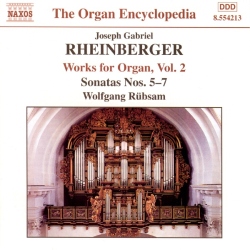
6:25
5
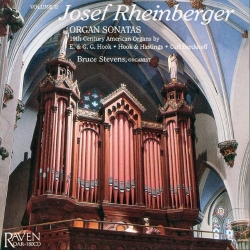
7:57