Antonio de Cabezón
Triste de par (after Gombert)
Released Album
Recent Album
Works Info
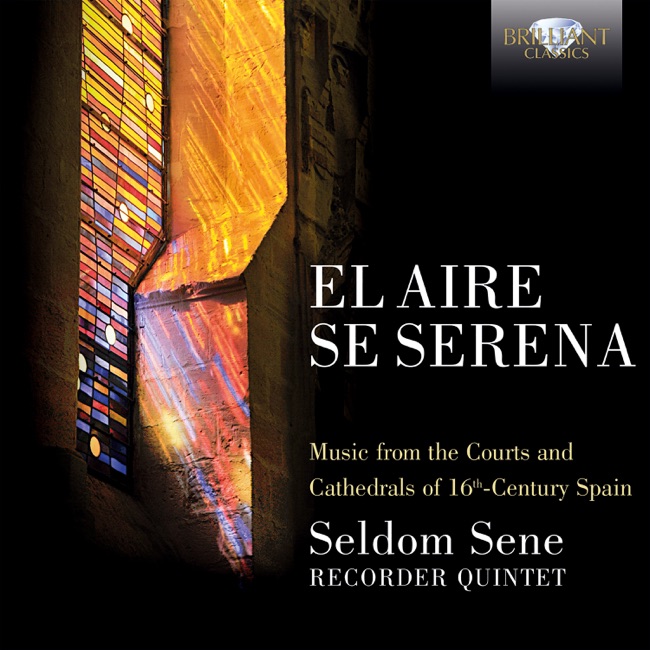
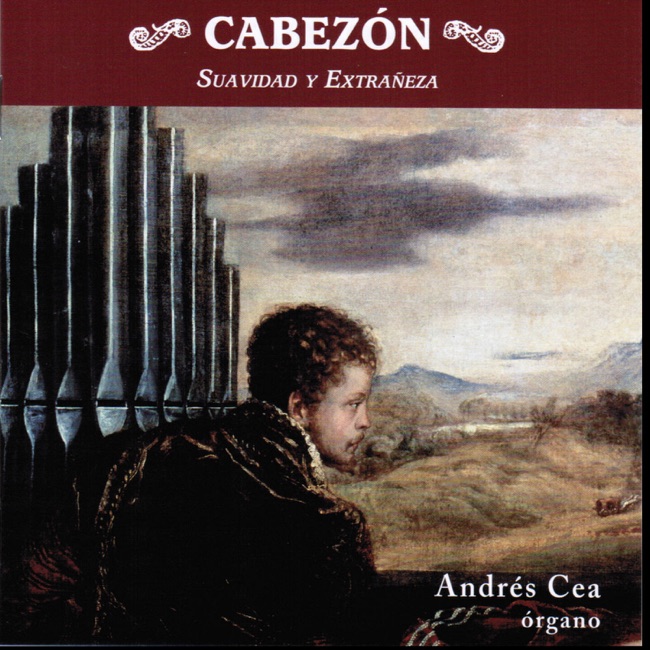
Composer:Antonio de CabezónGenre:ChamberStyle:Chamber MusicAverage_duration:3:41Antonio de Cabezón was a Spanish composer and organist who lived during the Renaissance period. He was born in 1510 in Castrillo Mota de Judíos, Burgos, and died in 1566 in Madrid. Cabezón was one of the most important composers of his time, and his music was highly regarded by his contemporaries. One of Cabezón's most famous works is "Triste de par (after Gombert)," which was composed in the mid-16th century. The piece is a set of variations on a chanson by Nicolas Gombert, a Franco-Flemish composer who lived in the early 16th century. The chanson, "Triste depart," is a lament for a departed lover, and Cabezón's variations on the theme are similarly mournful and introspective. "Triste de par" is written for the keyboard, and it is typically performed on the harpsichord or organ. The piece is divided into four movements, each of which is a variation on the original chanson. The first movement is a simple statement of the theme, with the melody played in the right hand and a simple accompaniment in the left. The second movement is a more elaborate variation, with the melody embellished with trills and other ornamentation. The third movement is a slower, more introspective variation, with the melody played in the left hand and a simple accompaniment in the right. The final movement is a virtuosic variation, with the melody played in rapid-fire runs and arpeggios. One of the characteristics of "Triste de par" is its use of counterpoint. Cabezón was a master of counterpoint, and he uses it extensively in this piece. The variations are all based on the original chanson, but they are also independent melodies in their own right. The result is a complex and intricate piece of music that rewards careful listening. Another characteristic of "Triste de par" is its emotional depth. The piece is a lament for a departed lover, and Cabezón's variations capture the sadness and longing of the original chanson. The slower movements are particularly poignant, with their introspective melodies and mournful harmonies. "Triste de par (after Gombert)" was premiered in the mid-16th century, and it quickly became one of Cabezón's most popular works. It has since become a staple of the keyboard repertoire, and it is still performed and recorded today. The piece is a testament to Cabezón's skill as a composer and his ability to create music that is both technically impressive and emotionally powerful.More....
Works Music
Released Music
1
Sad by (after Gombert)
Triste de par. Gombert (Obras de música para tecla, arpa y vihuela, Madrid, 1578)
3:45