


Diego Ortiz
Recercada No. 1 Trattado de glosas
Released Album
Recent Album
Featured Album
Works Info
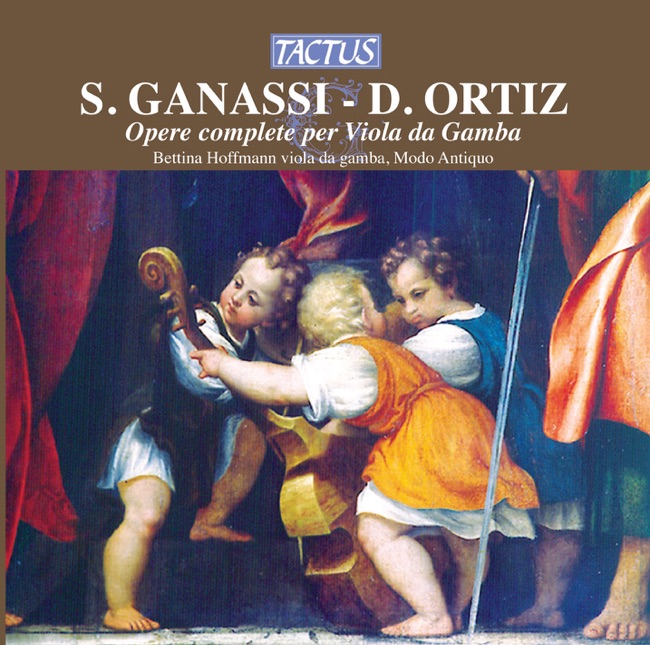
Composer:Diego OrtizGenre:ChamberStyle:RicercarCompose Date:before 1553Average_duration:2:25Diego Ortiz's "Recercada No. 1 Trattado de glosas" is a piece of music that was composed during the Renaissance period. It was first published in 1553 in Rome, Italy. The piece is part of a larger collection of works called "Trattado de glosas sobre cláusulas y otros géneros de puntos en la música de violones nuevamente puestos en luz" which translates to "Treatise on embellishments on cadences and other types of points in the music of violins newly brought to light." The "Recercada No. 1" is a solo instrumental piece that is played on a viola da gamba, a stringed instrument that was popular during the Renaissance period. The piece is divided into three movements, each with its own distinct characteristics. The first movement is slow and contemplative, with a mournful melody that is played in a minor key. The second movement is faster and more lively, with a more upbeat melody that is played in a major key. The third movement is a return to the slower, more contemplative style of the first movement, with a melody that is played in a minor key. One of the most notable characteristics of the "Recercada No. 1" is its use of ornamentation. The piece is full of trills, turns, and other embellishments that are used to decorate the melody and add interest to the music. These embellishments are a hallmark of the Renaissance period, and they are used extensively throughout the piece. Another characteristic of the "Recercada No. 1" is its use of counterpoint. Counterpoint is a technique in which two or more melodies are played simultaneously, creating a complex and intricate texture. The piece is full of counterpoint, with multiple melodies weaving in and out of each other to create a rich and complex sound. Overall, Diego Ortiz's "Recercada No. 1 Trattado de glosas" is a beautiful and complex piece of music that showcases the best of Renaissance music. Its use of ornamentation, counterpoint, and intricate melodies make it a masterpiece of the period, and it continues to be studied and performed by musicians today.More....
Works Music
Released Music
7
1:35
Featured Music
