


Alfredo Casella
Elegia eroica, Op. 29
Released Album
Recent Album
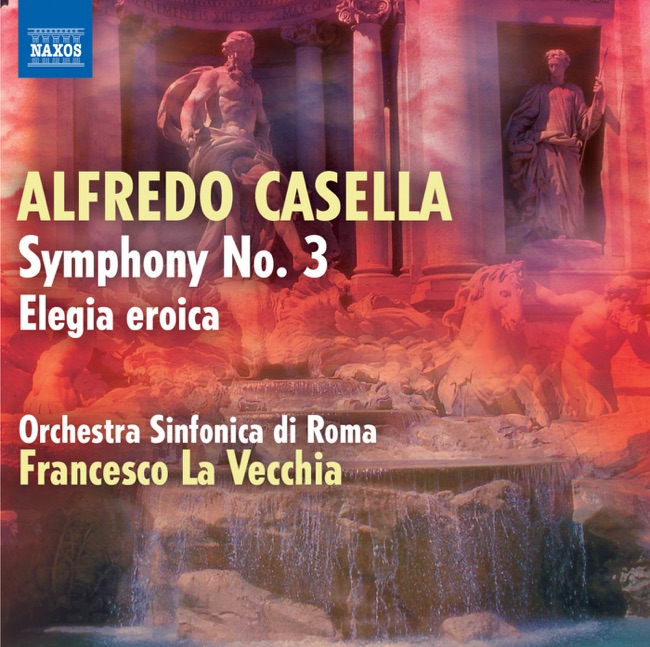
Featured Album
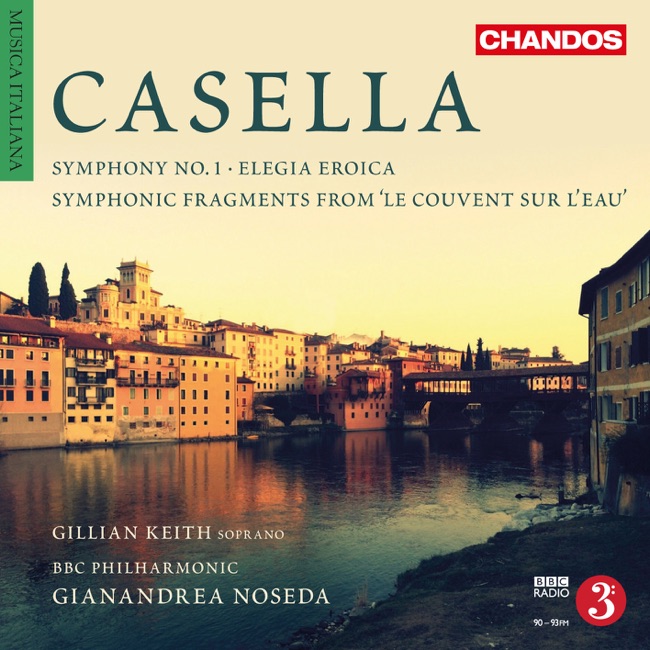
Works Info
Composer:Alfredo CasellaGenre:OrchestralStyle:OrchestralCompose Date:1916Average_duration:15:01Alfredo Casella's 'Elegia eroica, Op. 29' is a composition for orchestra that was composed in 1916. The piece was premiered on January 28, 1917, in Rome, Italy, by the Orchestra dell'Accademia Nazionale di Santa Cecilia, conducted by Bernardino Molinari. The composition is divided into three movements, and it has a total duration of approximately 20 minutes. The first movement, marked Andante sostenuto, begins with a somber and mournful theme played by the strings. The theme is then taken up by the woodwinds and the brass, creating a sense of tension and drama. The movement is characterized by its use of dissonant harmonies and chromaticism, which create a sense of unease and uncertainty. The movement ends with a return to the opening theme, played softly by the strings. The second movement, marked Allegro con fuoco, is a scherzo that contrasts sharply with the first movement. The movement is characterized by its fast tempo, rhythmic energy, and use of syncopation. The movement features a lively and playful theme played by the woodwinds, which is then taken up by the brass and the strings. The movement ends with a sudden and unexpected chord played by the entire orchestra. The third and final movement, marked Lento, is a slow and mournful adagio. The movement begins with a solo played by the English horn, which is then taken up by the strings. The movement is characterized by its use of long, sustained notes and its somber and melancholic mood. The movement ends with a return to the opening theme, played softly by the strings. Overall, 'Elegia eroica, Op. 29' is a powerful and emotional composition that reflects the turbulent times in which it was composed. The piece is characterized by its use of dissonant harmonies, chromaticism, and contrasting moods, which create a sense of tension and drama. The piece is a testament to Casella's skill as a composer and his ability to capture the spirit of his time in his music.More....
Works Music
Released Music
Featured Music
1
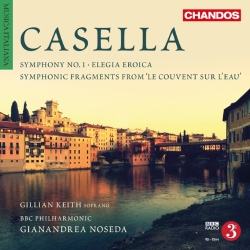
Heroic elegy, Op. 29
Elegia eroica, Op. 29 for Large Orchestra Alla memoria di un soldato morto in guerra grave molto, Pesante, Funebre - Dolcissimo, Misterioso - Tempo I (Lento) - Allegro moltissimo moderato - Andante dolcemente mosso
15:16