Jean-Baptiste Lully
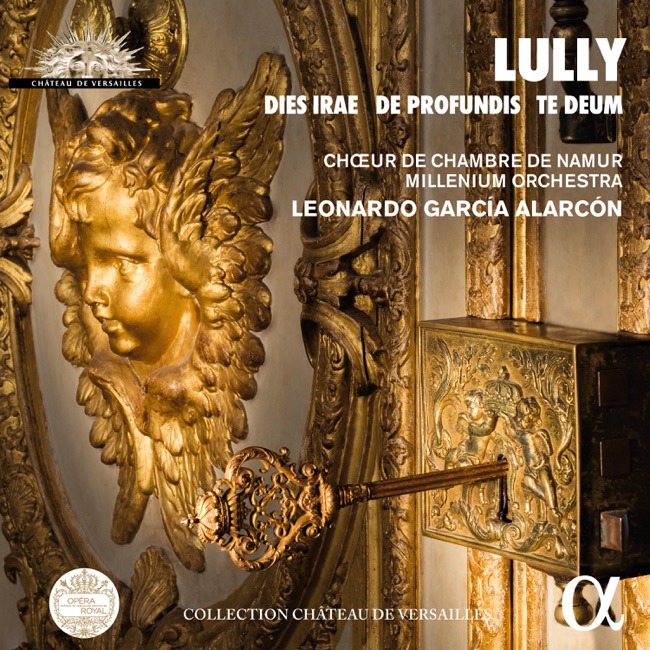
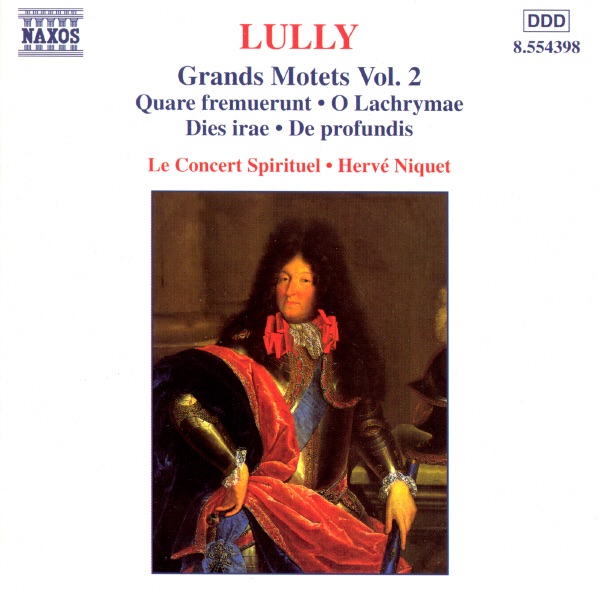
De profundis, LWV 62
Released Album
Recent Album
Works Info
Composer:Jean-Baptiste LullyGenre:ChoralStyle:MotetCompose Date:1683Publication Date:1684Average_duration:16:44De profundis, LWV 62 is a sacred motet composed by Jean-Baptiste Lully in 1683. It was premiered at the Chapel Royal of Versailles on November 1, 1683, during the All Saints' Day mass. The motet is divided into six movements, each with its own distinct characteristics. The first movement, "De profundis clamavi," is a setting of Psalm 130. It begins with a solemn and mournful introduction, with the choir singing in unison. The music gradually builds in intensity, with the choir singing in four-part harmony and the orchestra providing a rich and full accompaniment. The movement ends with a return to the somber mood of the opening. The second movement, "Fiant aures tuae," is a setting of Psalm 130:2. It is a solo for bass voice, accompanied by a simple and elegant string ensemble. The music is characterized by its gentle and flowing melody, which perfectly captures the supplicatory nature of the text. The third movement, "Si iniquitates observaveris," is a setting of Psalm 129:3-4. It is a duet for two tenor voices, accompanied by a lively and energetic orchestra. The music is characterized by its rapid and intricate vocal lines, which are perfectly matched by the virtuosic instrumental writing. The fourth movement, "Quia apud te propitiatio est," is a setting of Psalm 129:4. It is a solo for alto voice, accompanied by a delicate and understated string ensemble. The music is characterized by its gentle and soothing melody, which perfectly captures the comforting nature of the text. The fifth movement, "Sustinuit anima mea," is a setting of Psalm 129:5. It is a solo for tenor voice, accompanied by a rich and full orchestra. The music is characterized by its dramatic and intense vocal lines, which are perfectly matched by the powerful instrumental writing. The final movement, "A custodia matutina," is a setting of Psalm 129:6. It is a choral fugue, with the choir singing in four-part harmony and the orchestra providing a lively and energetic accompaniment. The music is characterized by its intricate and complex vocal lines, which are perfectly matched by the virtuosic instrumental writing. Overall, De profundis, LWV 62 is a masterful example of Lully's skill as a composer of sacred music. Its six movements showcase a wide range of musical styles and techniques, from solemn and mournful to lively and energetic. The motet is a testament to Lully's ability to create music that is both beautiful and deeply moving, and it remains a beloved work in the sacred music repertoire to this day.More....
Works Music
Released Music