Olivier Messiaen
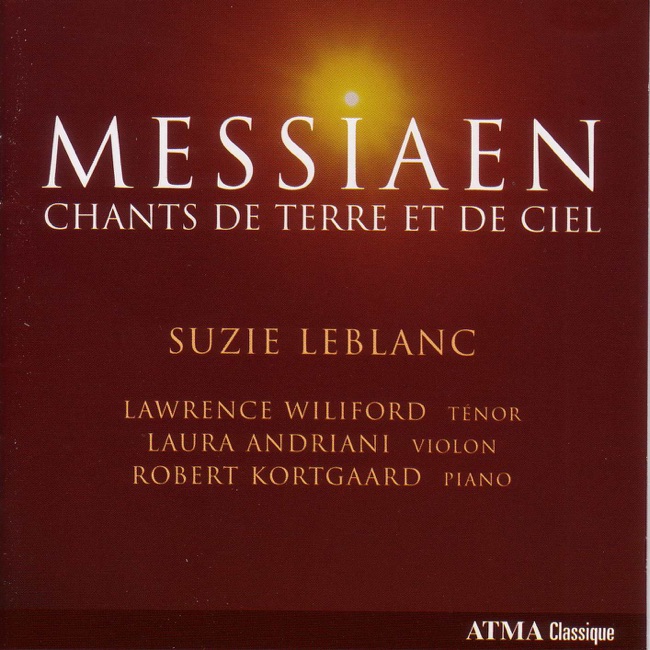
Chants de terre et de ciel, I/19
Released Album
Recent Album
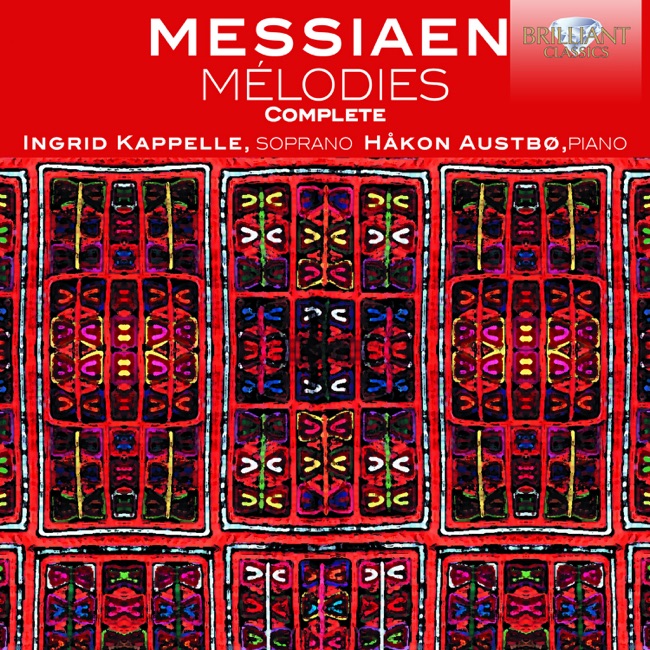
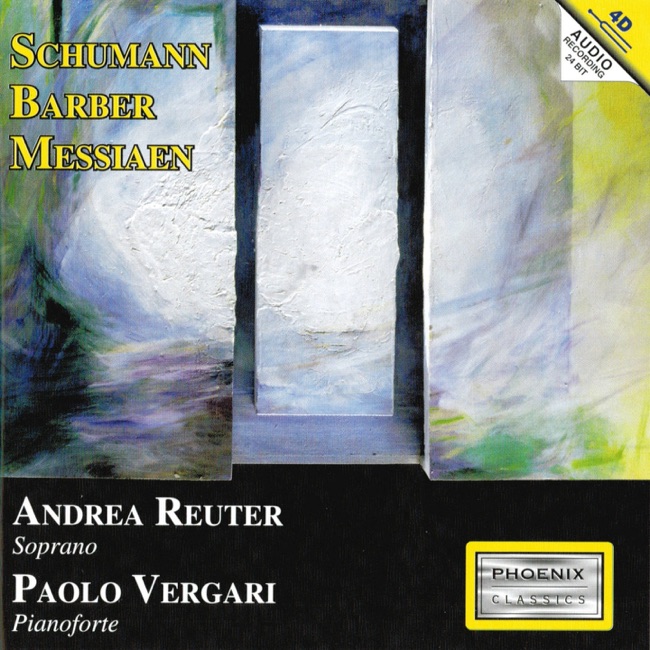
Featured Album
Works Info
Composer:Olivier MessiaenGenre:VocalStyle:Vocal MusicCompose Date:1938Average_duration:26:55Movement_count:6Movement ....Olivier Messiaen's 'Chants de terre et de ciel, I/19' is a song cycle composed in 1938 for soprano and piano. The work was premiered on May 17, 1938, at the Salle Gaveau in Paris, with the composer's wife, Claire Delbos, as the soprano soloist. The cycle consists of six movements, each based on a different text. The texts are drawn from a variety of sources, including the Bible, medieval poetry, and the composer's own writings. The movements are: 1. "Antienne de la conversation intérieure" (Antiphon of Inner Conversation) 2. "La maison" (The House) 3. "Le présbytère" (The Presbytery) 4. "La fiancée perdue" (The Lost Bride) 5. "Les deux guerriers" (The Two Warriors) 6. "Epilogue" The music of 'Chants de terre et de ciel' is characterized by Messiaen's distinctive harmonic language, which combines elements of traditional tonality with modes of limited transposition and non-traditional scales. The piano writing is virtuosic and often highly rhythmic, while the vocal line is lyrical and expressive. The first movement, "Antienne de la conversation intérieure," sets a text by the composer himself. The music is introspective and contemplative, with a sense of quiet intensity. In "La maison," the second movement, the soprano sings of a house that is both a physical dwelling and a metaphor for the soul. The music is serene and meditative, with a sense of stillness and repose. The third movement, "Le présbytère," is based on a poem by Paul Claudel. The music is more dramatic and intense than the previous movements, with a sense of urgency and conflict. In "La fiancée perdue," the fourth movement, the soprano sings of a lost bride who is sought after by her lover. The music is passionate and expressive, with a sense of longing and desire. "The Two Warriors," the fifth movement, sets a text by the composer's father, Pierre Messiaen. The music is rhythmic and energetic, with a sense of conflict and struggle. The final movement, "Epilogue," brings the cycle to a close with a sense of resolution and transcendence. The music is serene and contemplative, with a sense of peace and acceptance. Overall, 'Chants de terre et de ciel, I/19' is a deeply spiritual work that reflects Messiaen's Catholic faith and his fascination with the natural world. The music is highly expressive and emotionally charged, with a sense of transcendence and awe.More....
Works Music
Released Music
Featured Music