Antonin Dvorák
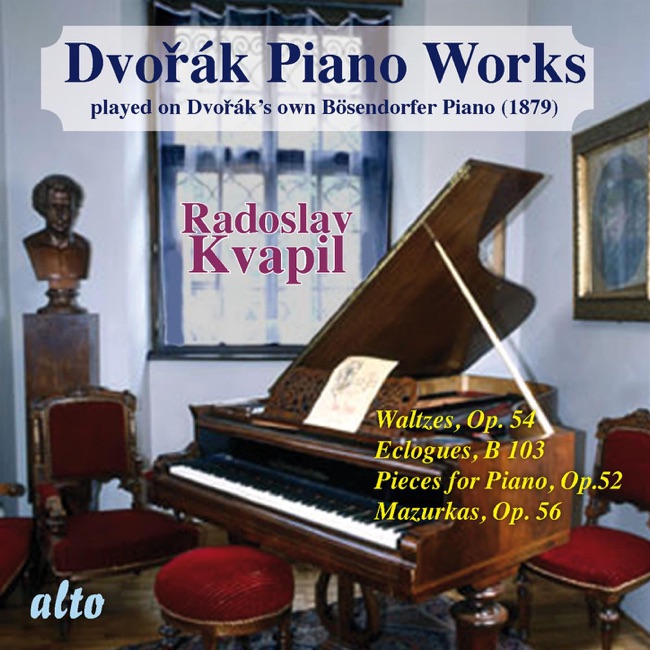
Eclogues (4), for piano, B. 103 (Op. 56)
Released Album
Recent Album

Works Info
Composer:Antonin DvorákGenre:KeyboardStyle:KeyboardCompose Date:Jan 24, 1880 - Feb 7, 1880Publication Date:1921Average_duration:15:27Movement_count:4Movement ....Antonin Dvorák's 'Eclogues (4), for piano, B. 103 (Op. 56)' is a set of four pieces for solo piano, composed in 1883. The work was premiered in Prague on January 22, 1884, with Dvorák himself at the piano. The four movements of the 'Eclogues' are titled 'Allegro con fuoco', 'Allegro scherzando', 'Larghetto, ma non troppo', and 'Allegro moderato'. Each movement is characterized by its own unique mood and style, but they are all connected by a pastoral, folk-like quality that is typical of Dvorák's music. The first movement, 'Allegro con fuoco', is a lively and energetic piece with a strong rhythmic drive. It features a playful melody that is passed between the hands of the pianist, and is punctuated by bursts of virtuosic runs and arpeggios. The second movement, 'Allegro scherzando', is a light and whimsical piece that is full of playful humor. It features a bouncy, syncopated rhythm and a catchy melody that is repeated throughout the piece. The third movement, 'Larghetto, ma non troppo', is a slower, more contemplative piece that is characterized by its gentle, flowing melody. It features a simple, yet beautiful harmonic progression that is typical of Dvorák's style. The final movement, 'Allegro moderato', is a lively and upbeat piece that brings the 'Eclogues' to a rousing conclusion. It features a driving rhythm and a catchy, folk-like melody that is sure to leave the listener humming along. Overall, the 'Eclogues (4), for piano, B. 103 (Op. 56)' is a charming and delightful work that showcases Dvorák's skill as a composer of piano music. Its pastoral, folk-like quality and catchy melodies make it a favorite among pianists and audiences alike.More....
Works Music
Released Music