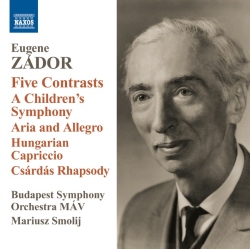
Eugene Zador
Hungarian Caprice for orchestra
Released Album
Recent Album
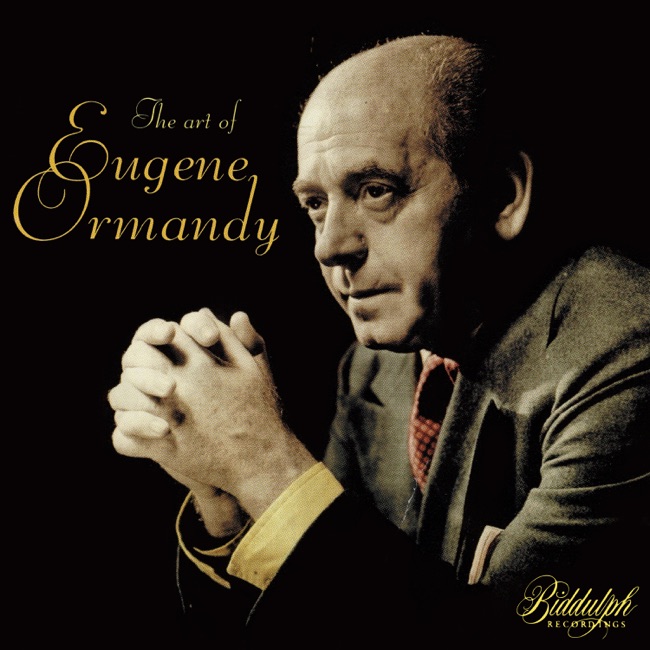
Featured Album
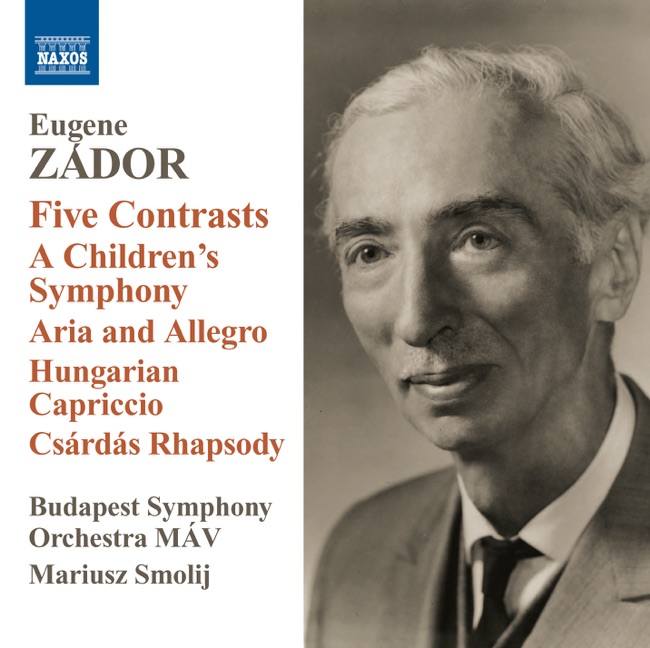
Works Info
Composer:Eugene ZadorGenre:OrchestralStyle:OrchestralCompose Date:1935Average_duration:7:04Hungarian Caprice for orchestra is a composition by Hungarian-American composer Eugene Zador. It was composed in 1946 and premiered on March 6, 1947, by the New York Philharmonic Orchestra under the baton of Artur Rodzinski. The piece is divided into three movements, each with its own distinct character and style. The first movement, marked Allegro con brio, is a lively and energetic dance in 2/4 time. It features a prominent melody played by the strings, which is then echoed by the woodwinds and brass. The movement also includes a brief cadenza for the solo violin, showcasing the virtuosity of the performer. The second movement, marked Andante, is a slower and more lyrical piece. It begins with a solo oboe playing a mournful melody, which is then taken up by the strings. The movement builds to a climax before subsiding into a quiet and reflective coda. The final movement, marked Allegro vivace, is a fast and frenetic dance in 6/8 time. It features a lively and syncopated melody played by the strings, which is then echoed by the woodwinds and brass. The movement includes a brief cadenza for the solo clarinet, showcasing the virtuosity of the performer. Overall, Hungarian Caprice for orchestra is a lively and colorful work that showcases Zador's skill as a composer. It draws on the rich musical traditions of Hungary, incorporating elements of folk music and dance into a classical orchestral setting. The piece is characterized by its energetic rhythms, memorable melodies, and virtuosic solo passages, making it a popular choice for orchestral performances and recordings.More....
Works Music