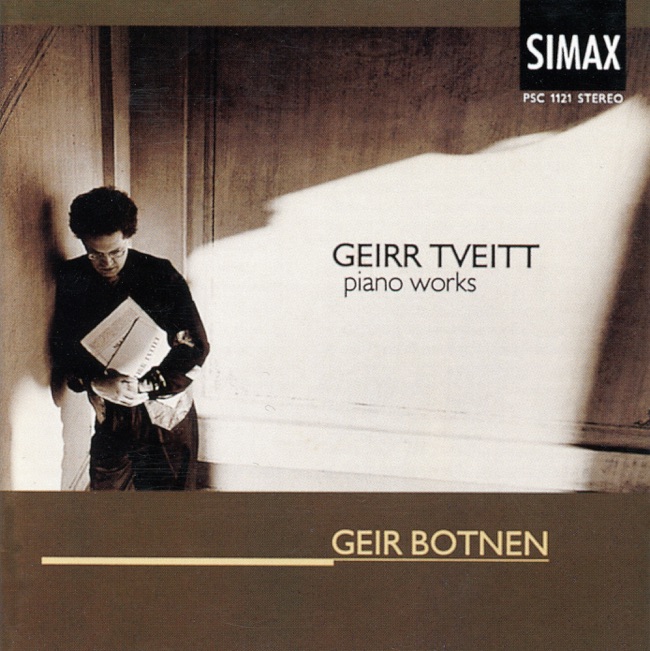
Geirr Tveitt
Two-Part Inventions (12) for piano Op. 2, No. 11 in E flat Dorian mode
Works Info
Composer:Geirr TveittGenre:KeyboardStyle:InventionAverage_duration:1:41Geirr Tveitt's 'Two-Part Inventions (12) for piano Op. 2, No. 11 in E flat Dorian mode' is a collection of twelve short pieces for solo piano. The work was composed in 1922 and premiered in Oslo, Norway in the same year. The piece is written in the Dorian mode, which gives it a unique and haunting quality. The 'Two-Part Inventions' are a set of twelve pieces, each of which is based on a different musical idea. The pieces are short, with most lasting only a minute or two, and are designed to showcase the technical and expressive abilities of the pianist. The eleventh piece in the set, in E flat Dorian mode, is one of the most popular and well-known. The piece is divided into two distinct sections, each of which is characterized by a different mood and tempo. The first section is slow and contemplative, with a mournful melody that is played in the right hand. The left hand provides a simple accompaniment, consisting of a series of chords that are played in a slow and deliberate manner. The overall effect is one of sadness and introspection. The second section of the piece is much faster and more energetic than the first. The melody is played in the left hand, while the right hand provides a rapid and intricate accompaniment. The tempo is quick and lively, and the overall effect is one of joy and exuberance. Throughout the piece, Tveitt makes use of a variety of musical techniques and devices. The use of the Dorian mode gives the piece a unique and distinctive sound, while the use of contrasting tempos and moods adds depth and complexity to the work. The piece is also notable for its use of counterpoint, with the two hands playing independent melodies that intertwine and complement each other. Overall, Geirr Tveitt's 'Two-Part Inventions (12) for piano Op. 2, No. 11 in E flat Dorian mode' is a beautiful and expressive work that showcases the composer's skill and creativity. The piece is a testament to Tveitt's ability to create music that is both technically challenging and emotionally engaging, and it remains a popular and beloved work in the piano repertoire.More....
Works Music