Franz Liszt
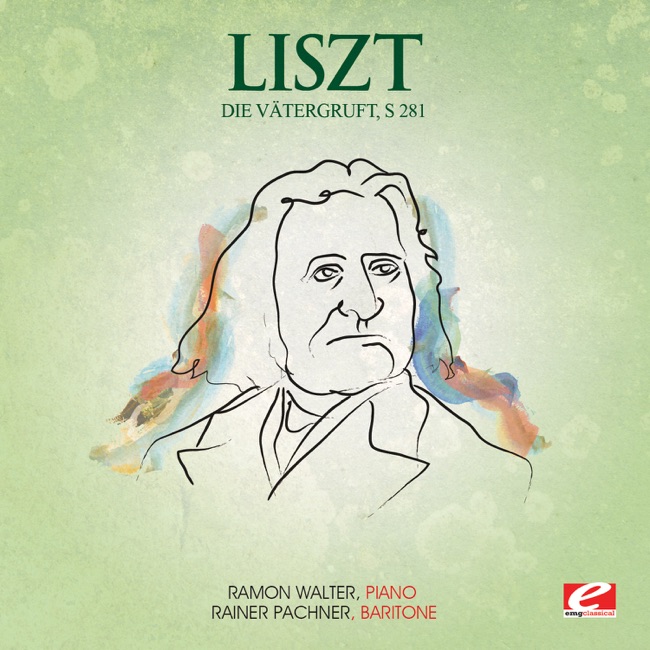
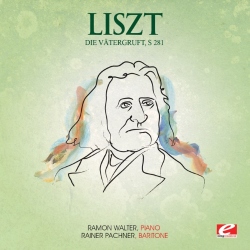
Die Vätergruft, S. 281
Released Album
Recent Album



Featured Album

Works Info
Composer:Franz LisztGenre:VocalStyle:SongCompose Date:1844Publication Date:1848 - 1859Average_duration:5:54"Die Vätergruft" (The Ancestral Tomb) is a symphonic poem composed by Franz Liszt in 1881. It was premiered on November 19, 1881, in Weimar, Germany, under the direction of Liszt himself. The piece is divided into three movements, each depicting a different scene from the poem of the same name by Nikolaus Lenau. The first movement, "The Tomb," begins with a somber and mournful theme played by the cellos and basses, representing the darkness and stillness of the tomb. The music gradually builds in intensity as the spirits of the ancestors awaken and begin to stir. The movement ends with a powerful climax as the spirits rise up and burst forth from the tomb. The second movement, "The Dance of Death," is a frenzied and macabre dance, representing the spirits' celebration of their newfound freedom. The music is fast-paced and dissonant, with sudden shifts in tempo and dynamics. Liszt uses a variety of orchestral effects, including pizzicato strings, muted brass, and eerie woodwind trills, to create a sense of unease and foreboding. The final movement, "The Return to the Tomb," is a slow and mournful procession, as the spirits return to their resting place. The music is characterized by long, sustained notes and a sense of resignation and acceptance. The movement ends with a quiet and peaceful coda, as the spirits settle back into their eternal slumber. Overall, "Die Vätergruft" is a powerful and evocative work, showcasing Liszt's skill as a composer and his ability to create vivid musical imagery. The piece is notable for its use of programmatic elements, as well as its innovative orchestration and harmonic language.More....
Works Music
Released Music




Featured Music