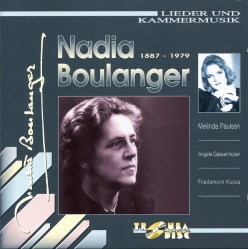
Nadia Boulanger
Élégie ('Une douceur splendide et sombre')
Released Album
Recent Album
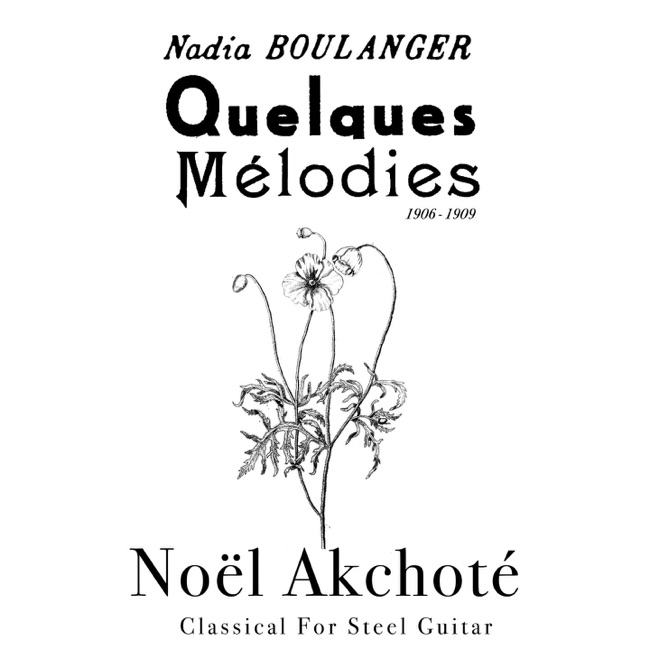




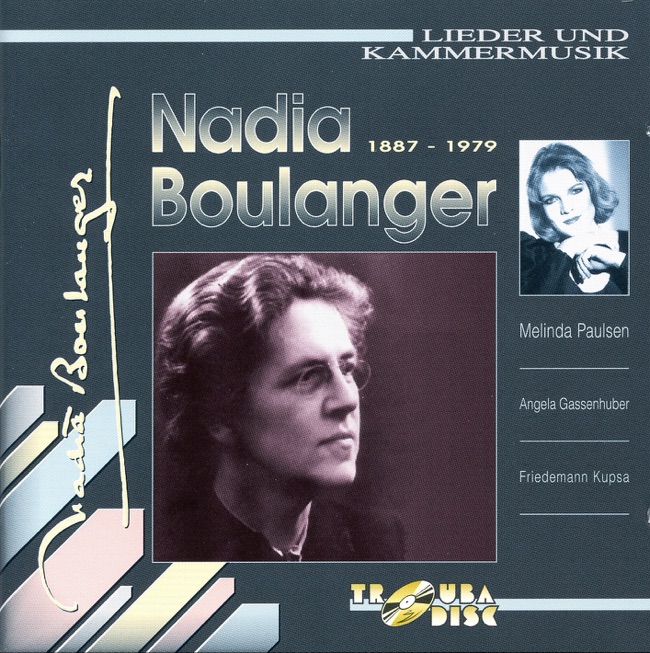
Featured Album
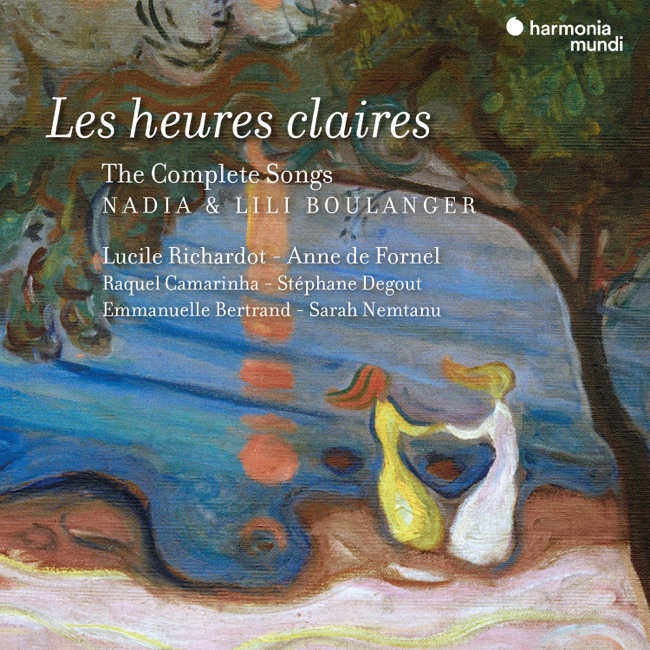
Works Info
Composer:Nadia BoulangerGenre:VocalCompose Date:1906Average_duration:3:29Élégie ('Une douceur splendide et sombre') is a composition by Nadia Boulanger, a French composer, conductor, and teacher. The piece was composed in 1914, during the early years of World War I, and premiered in Paris in the same year. Élégie is a single-movement work for solo piano, and it is characterized by its melancholic and introspective mood. The piece begins with a slow and mournful melody, played in the lower register of the piano. The melody is then repeated in a higher register, with added harmonies and embellishments. The middle section of the piece features a more agitated and dissonant theme, which gradually builds in intensity before returning to the opening melody. The piece ends with a quiet and contemplative coda, bringing the work to a peaceful close. One of the most striking characteristics of Élégie is its use of harmony. Boulanger employs a wide range of chords and tonalities, creating a sense of ambiguity and tension throughout the piece. The dissonant middle section, in particular, is notable for its use of unresolved chords and unexpected harmonic shifts. Another notable aspect of Élégie is its emotional depth. The piece is imbued with a sense of sadness and longing, reflecting the mood of the time in which it was composed. Boulanger's use of melody and harmony work together to create a powerful emotional impact, making Élégie a moving and memorable work. Overall, Élégie ('Une douceur splendide et sombre') is a beautiful and haunting composition that showcases Boulanger's skill as a composer. Its emotional depth and harmonic complexity make it a work that is both challenging and rewarding for performers and listeners alike.More....
Works Music
Released Music
1
1:17




Featured Music