Johann Joseph Vilsmayr
Artificiosus Concentus pro Camera (6)
Released Album
Recent Album
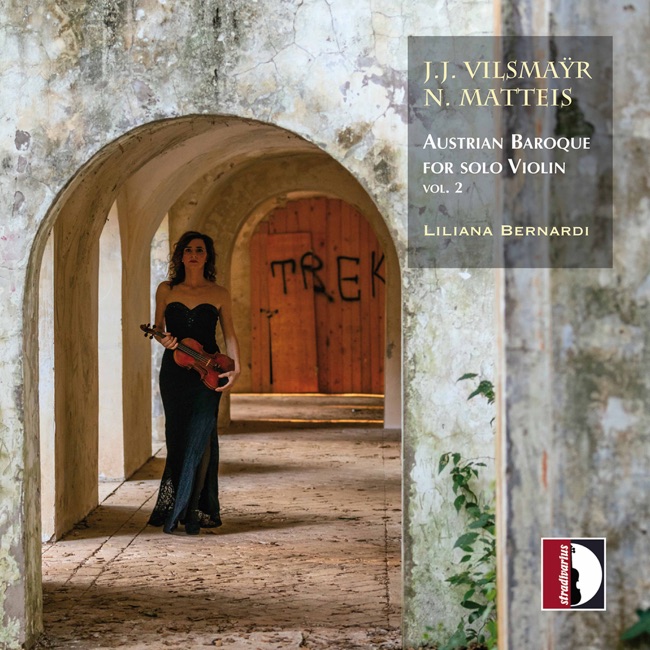
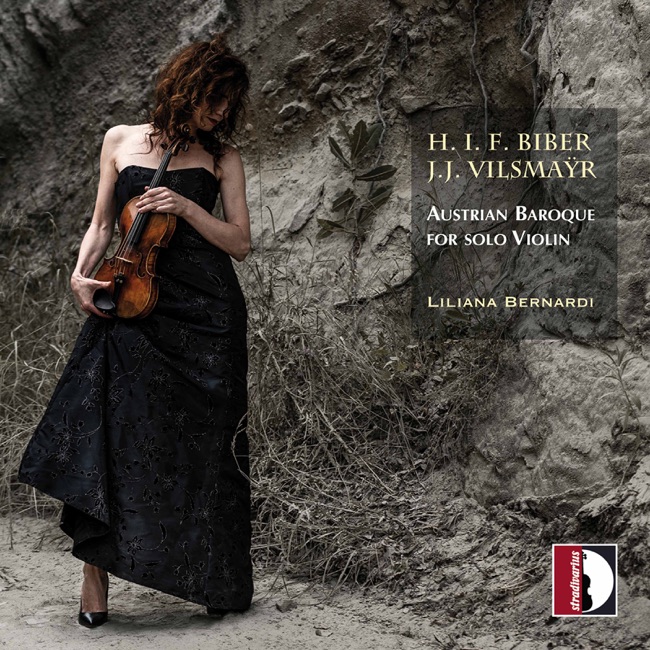
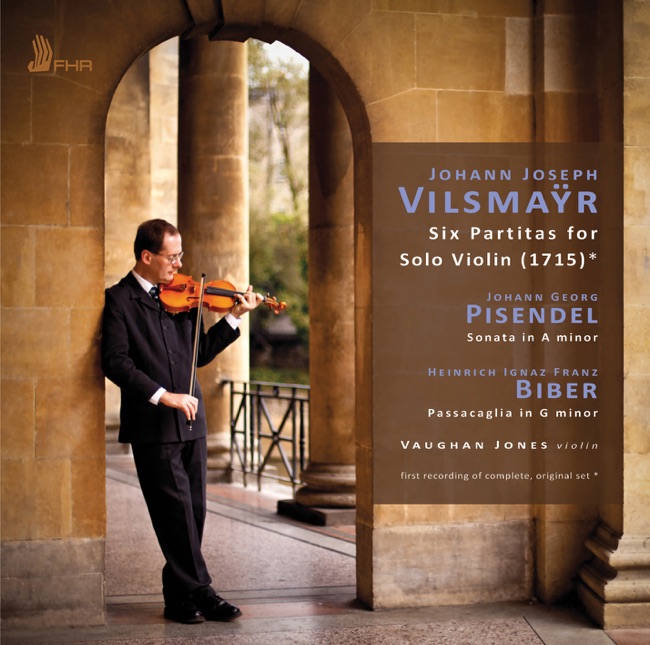
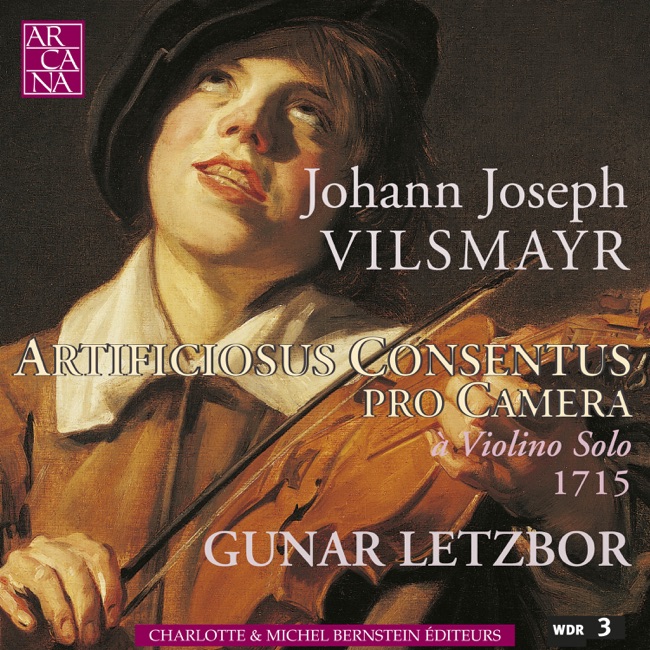
Works Info
Composer:Johann Joseph VilsmayrGenre:ChamberStyle:Chamber MusicCompose Date:1715Average_duration:71:31Movement_count:56Movement ....Johann Joseph Vilsmayr was an Austrian composer and violinist who lived during the Baroque period. He is best known for his collection of six sonatas for violin and basso continuo, titled "Artificiosus Concentus pro Camera" (Artificial Concertos for Chamber Music). The collection was composed in 1715 and premiered in Salzburg, Austria. Each sonata consists of several movements, including preludes, allemandes, courantes, sarabandes, gigues, and minuets. The sonatas are characterized by their virtuosic violin writing, intricate counterpoint, and use of ornamentation. The first sonata in the collection, in D major, begins with a prelude that showcases the violinist's technical abilities with fast runs and arpeggios. The second movement, an allemande, is more subdued and features a slower tempo and more lyrical melodies. The third movement, a courante, is lively and dance-like, with a syncopated rhythm that adds to its energy. The second sonata, in A minor, begins with a prelude that is more introspective and melancholic than the first sonata's. The second movement, a sarabande, is slow and stately, with a mournful melody that is typical of the Baroque period. The third movement, a gigue, is fast and lively, with a driving rhythm that propels the music forward. The third sonata, in G major, begins with a prelude that is similar in style to the first sonata's. The second movement, an allemande, is more complex harmonically and features more intricate ornamentation. The third movement, a sarabande, is slower and more introspective than the second sonata's, with a haunting melody that is reminiscent of a lament. The fourth sonata, in E minor, begins with a prelude that is more subdued than the previous sonatas'. The second movement, a courante, is lively and dance-like, with a syncopated rhythm that adds to its energy. The third movement, a sarabande, is slow and stately, with a mournful melody that is typical of the Baroque period. The fifth sonata, in B-flat major, begins with a prelude that is more introspective than the previous sonatas'. The second movement, an allemande, is more complex harmonically and features more intricate ornamentation. The third movement, a gigue, is fast and lively, with a driving rhythm that propels the music forward. The sixth and final sonata, in A major, begins with a prelude that is similar in style to the first sonata's. The second movement, a sarabande, is slow and stately, with a mournful melody that is typical of the Baroque period. The third movement, a gigue, is fast and lively, with a driving rhythm that propels the music forward. Overall, Vilsmayr's "Artificiosus Concentus pro Camera" is a collection of virtuosic and intricate sonatas that showcase the violinist's technical abilities and the composer's skill in writing complex counterpoint and ornamentation. The collection is a testament to the Baroque period's love of ornamentation and virtuosity, and remains a popular work in the violin repertoire today.More....
Works Music
Released Music
2
Artificiosus Concentus per Camera (6)
Partia No. 1 in A major: I. Prelude: Adagio - Harpeggio
1:59
4

Artificiosus Concentus per Camera (6)
Partita I in La magg. I. Prelude (Adagio - Allegro - Adagio - Presto - Harpeggio)
1:33
5
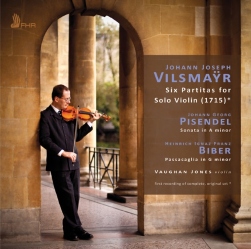
Artificiosus Concentus per Camera (6)
Partita No. 1 in A major (open strings G-D-A-E) I. Prelude (Adagio - Allegro - Adagio - Presto)
1:46