Enriqué Granados
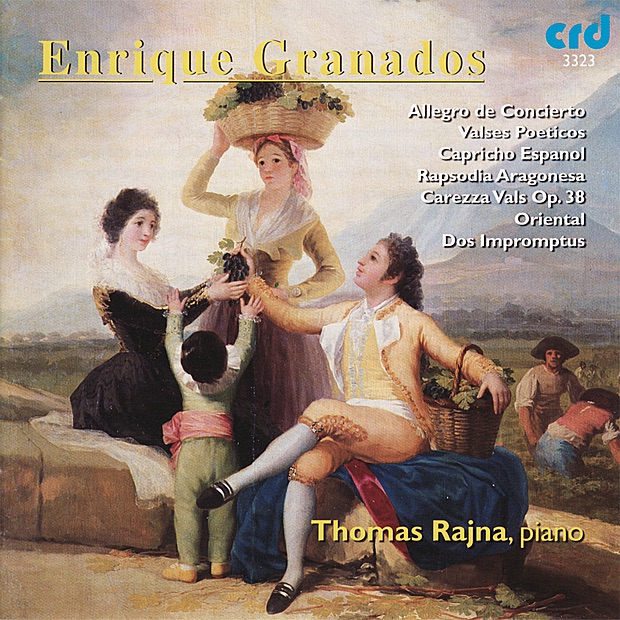
Capricho español, Op. 39, H. 30
Released Album
Recent Album

Works Info
Composer:Enriqué GranadosGenre:KeyboardStyle:Character PieceCompose Date:1889Publication Date:1917Average_duration:5:20Capricho español, Op. 39, H. 30 is a composition for orchestra by the Spanish composer Enriqué Granados. It was composed in 1890 and premiered in Madrid in 1891. The piece is divided into five movements, each of which is based on a different Spanish folk melody. The first movement, Alborada, is a lively and festive piece that features the sounds of trumpets and castanets. The melody is based on a traditional Spanish song that is often played at dawn to wake up the townspeople. The second movement, Variazioni, is a set of variations on a theme that is based on a popular Spanish dance called the fandango. The variations are playful and virtuosic, showcasing the technical abilities of the orchestra. The third movement, Canción, is a slow and melancholic piece that features a solo violin playing a haunting melody. The melody is based on a traditional Spanish song that tells the story of a lost love. The fourth movement, Intermezzo, is a light and playful piece that features the sounds of a guitar and a mandolin. The melody is based on a traditional Spanish dance called the seguidilla. The final movement, Fandango asturiano, is a lively and energetic piece that features the sounds of a bagpipe and a drum. The melody is based on a traditional folk song from the Asturias region of Spain. Overall, Capricho español is a colorful and vibrant work that showcases the rich musical traditions of Spain. Granados' use of traditional folk melodies and instrumentation gives the piece a distinctly Spanish flavor, while his virtuosic orchestration and technical prowess make it a thrilling and engaging work for audiences.More....
Works Music
Released Music

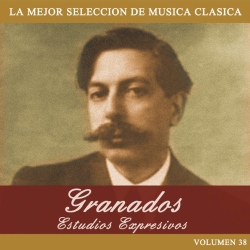

7
Spanish Caprice, Op. 39, H. 30
Capricho español
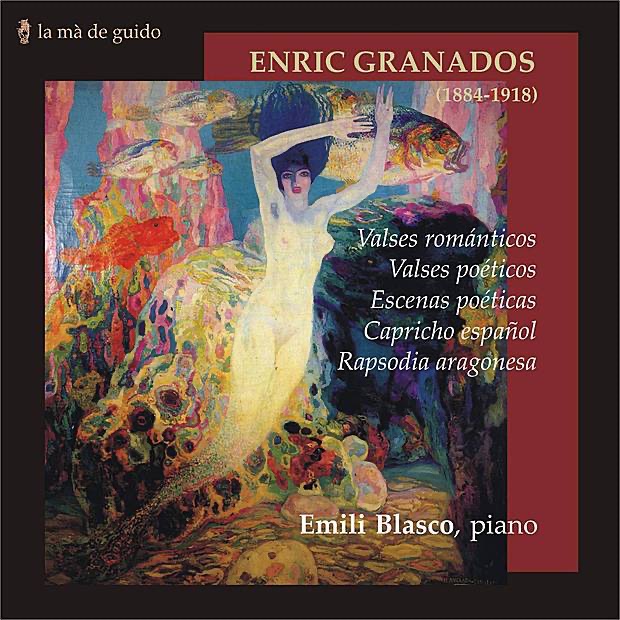
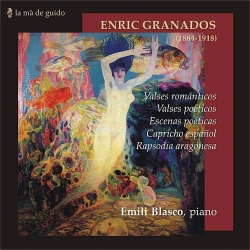
Enric Granados: Valses Románticos; Valses Poéticos; Escenas Poéticas; Capricho Español; Rapsodia Ara
6:21