Leo Sowerby
Symphony for organ in G major
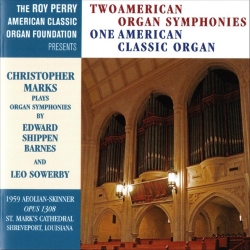
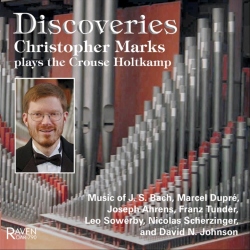
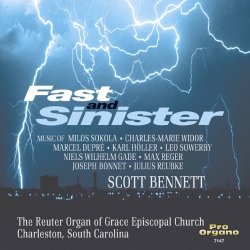
Released Album
Recent Album
Works Info
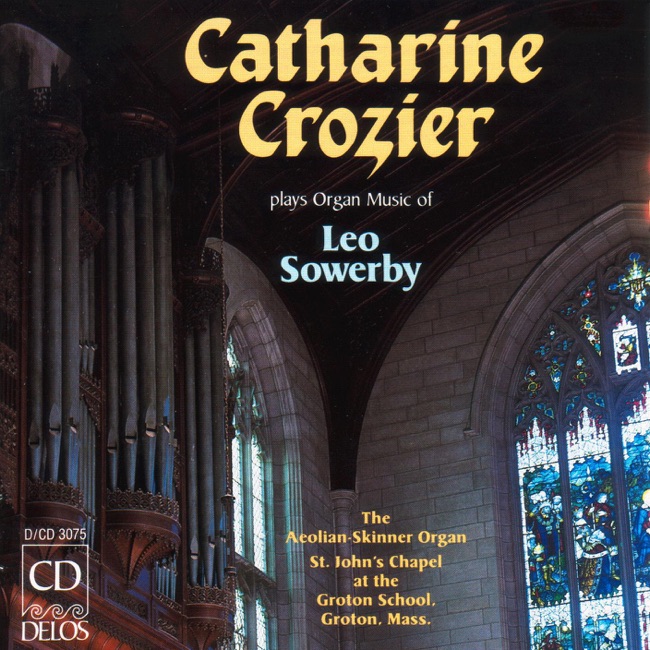
Composer:Leo SowerbyGenre:KeyboardStyle:KeyboardAverage_duration:38:33Movement_count:3Movement ....Leo Sowerby's Symphony for Organ in G Major is a four-movement work that was composed in 1927. It premiered on May 6, 1928, at the Wanamaker Auditorium in Philadelphia, Pennsylvania, with Sowerby himself as the organist. The first movement, marked "Allegro," begins with a lively and energetic theme that is introduced by the organ. This theme is then developed and expanded upon throughout the movement, with the use of various textures and harmonies. The second movement, marked "Adagio," is a slow and contemplative piece that features a beautiful melody played by the organ. The third movement, marked "Scherzo," is a playful and light-hearted piece that showcases the organ's ability to create a wide range of sounds and textures. The final movement, marked "Allegro con fuoco," is a fast and fiery piece that brings the symphony to a thrilling conclusion. One of the most notable characteristics of Sowerby's Symphony for Organ in G Major is its use of the organ as a solo instrument. Sowerby was a renowned organist himself, and he wrote this symphony specifically to showcase the capabilities of the organ. As a result, the piece features a wide range of sounds and textures that are unique to the organ, including the use of various stops and pedals. Overall, Sowerby's Symphony for Organ in G Major is a masterful work that showcases the beauty and versatility of the organ. Its four movements are each distinct and memorable, and the piece as a whole is a testament to Sowerby's skill as both a composer and an organist.More....
Works Music
Released Music