


Igor Stravinsky
Babel, cantata for reciter
Released Album
Recent Album

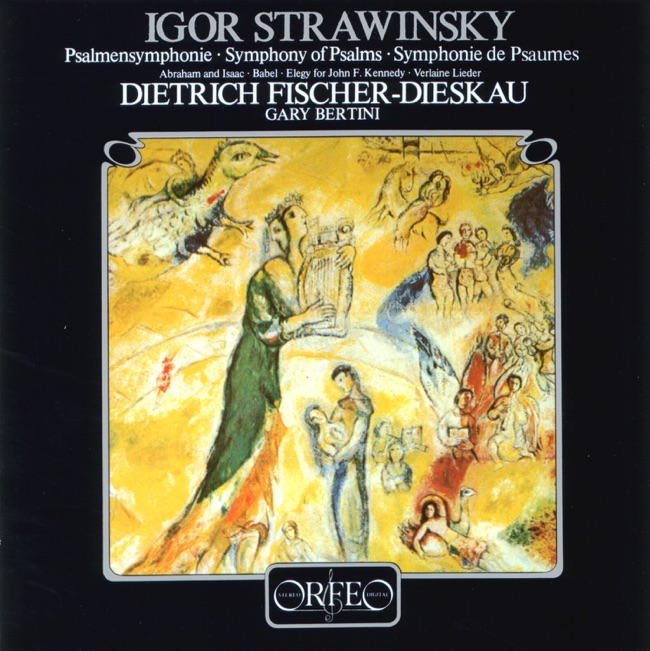
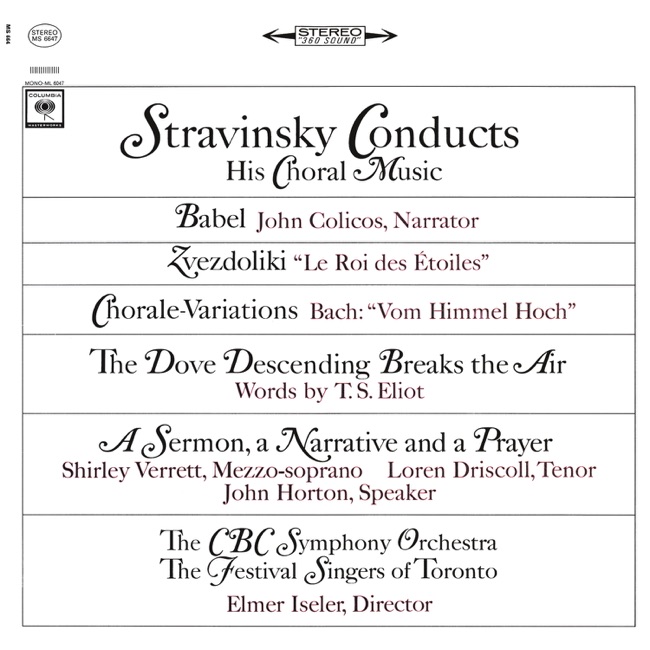
Featured Album
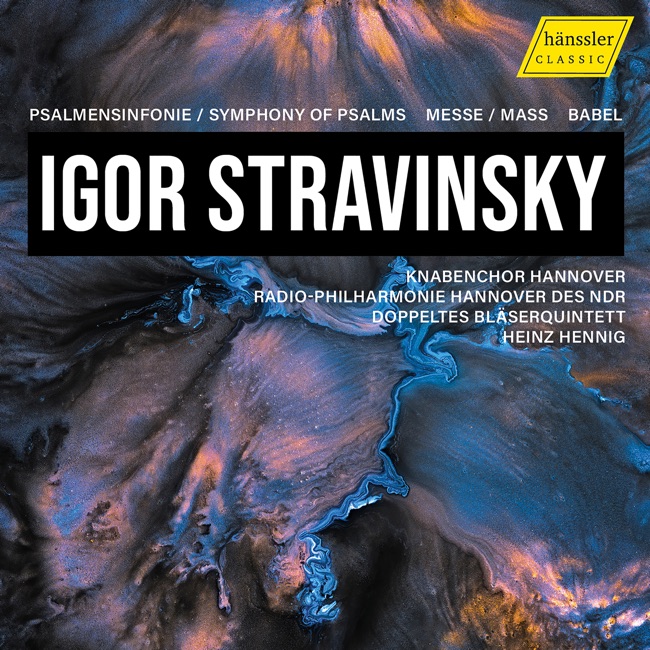
Works Info
Composer:Igor StravinskyGenre:ChoralStyle:CantataCompose Date:1944First Performance:Nov 18, 1945Average_duration:5:56Movement_count:7Movement ....Babel, Cantata for Reciter is a composition by Igor Stravinsky, which was composed in 1944. The piece was premiered on December 1, 1945, in Boston, Massachusetts, by the Boston Symphony Orchestra, conducted by Serge Koussevitzky. The cantata is based on the biblical story of the Tower of Babel, which tells the story of how humanity attempted to build a tower to reach the heavens, but was thwarted by God, who confused their language and scattered them across the earth. The cantata is divided into four movements, each of which represents a different aspect of the story. The first movement, "The Tower of Babel," is a choral setting of the text from Genesis, which describes the construction of the tower. The music is characterized by its rhythmic complexity and dissonant harmonies, which reflect the chaos and confusion of the story. The second movement, "The Confusion of Tongues," is a recitation of the text from Genesis, which describes how God confused the language of the builders, causing them to scatter across the earth. The music is sparse and austere, with the reciter accompanied by a solo clarinet, which represents the voice of God. The third movement, "The Building of the Second Tower," is a choral setting of a text by the French poet Paul Valéry, which imagines a second tower being built in the aftermath of the first. The music is characterized by its angular melodies and shifting rhythms, which reflect the instability and impermanence of the tower. The final movement, "The Epilogue," is a choral setting of a text by the Russian poet Alexander Pushkin, which reflects on the futility of human ambition and the inevitability of mortality. The music is somber and reflective, with the choir accompanied by a solo cello, which represents the voice of the poet. Overall, Babel, Cantata for Reciter is a complex and challenging work, which reflects Stravinsky's interest in the intersection of music and language. The piece is characterized by its use of dissonant harmonies, complex rhythms, and sparse textures, which reflect the chaos and confusion of the story of the Tower of Babel. Despite its difficulty, the cantata remains a powerful and thought-provoking work, which continues to be performed and studied by musicians and scholars around the world.More....
Works Music
Released Music
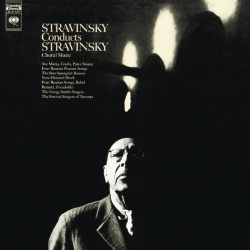
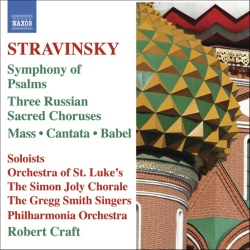
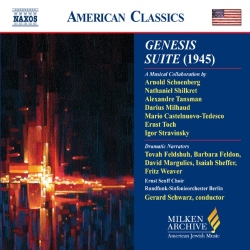
5

5:13
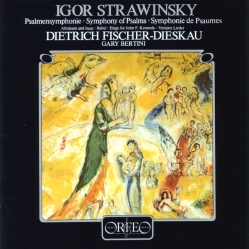
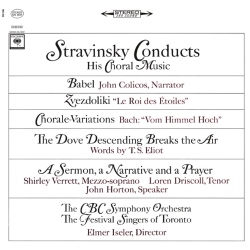
Featured Music
1
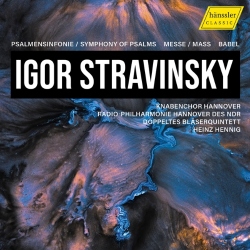
Babel, cantata for reciting
Babel, Cantata on Words from the Book of Moses 1 Chapter 11, Verses 1-9 for Male Voices and Orchestra with Narrator (in English)
6:25
2
Babel, cantata for reciting
Babel, Kantate nach Mose 1, Kapitel 11, Verse 1-9 für Männerstimmen, Orchester und Erzähler (in Deutscher Sprache)
6:19