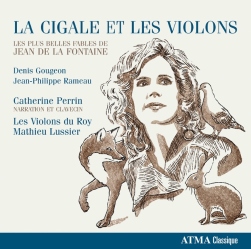
Denis Gougeon
Le Lièvre et la Tortue
Released Album
Recent Album
Works Info
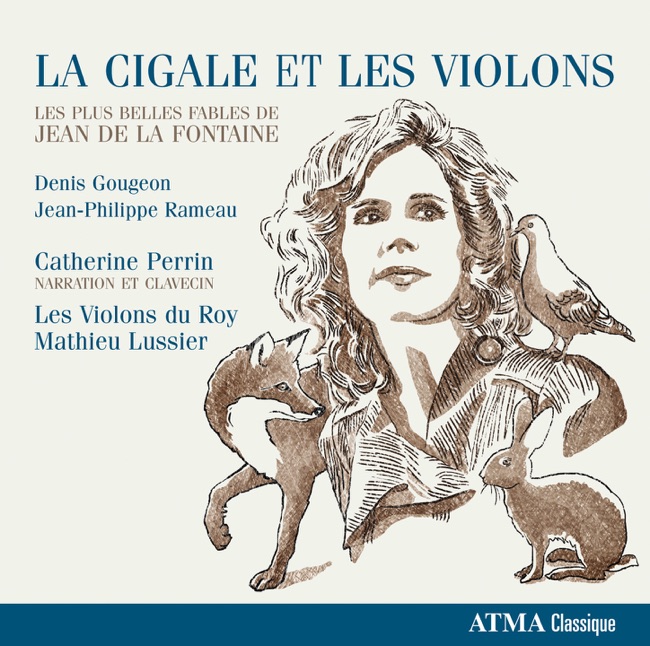
Composer:Denis GougeonGenre:ConcertoAverage_duration:3:53"Le Lièvre et la Tortue" is a contemporary classical composition by Canadian composer Denis Gougeon. The piece was composed in 1999 and premiered on March 23, 2000, by the Orchestre Métropolitain de Montréal under the direction of Yannick Nézet-Séguin. The composition is divided into three movements, each of which represents a different aspect of the fable of "The Tortoise and the Hare." The first movement, "Le Départ," represents the beginning of the race and the hare's overconfidence. The music is fast-paced and frenetic, with the use of dissonant harmonies and irregular rhythms to create a sense of chaos and urgency. The second movement, "La Course," represents the actual race between the hare and the tortoise. The music is slower and more deliberate, with a steady pulse and a sense of determination. The use of repetitive motifs and simple harmonies creates a sense of inevitability, as the tortoise slowly but surely gains ground on the hare. The final movement, "L'Arrivée," represents the end of the race and the moral of the fable. The music is triumphant and celebratory, with the use of fanfare-like brass and percussion to create a sense of victory. The use of major harmonies and a strong sense of resolution creates a sense of closure and moral lesson. Overall, "Le Lièvre et la Tortue" is a dynamic and engaging composition that uses a variety of musical techniques to tell the story of the fable. Gougeon's use of dissonance, repetition, and simple harmonies creates a sense of tension and resolution that mirrors the narrative arc of the fable. The piece is a testament to Gougeon's skill as a composer and his ability to create music that is both intellectually stimulating and emotionally engaging.More....
Works Music