


Franz Liszt
La chasse, etude for piano in E major, S. 141/5
Released Album
Recent Album
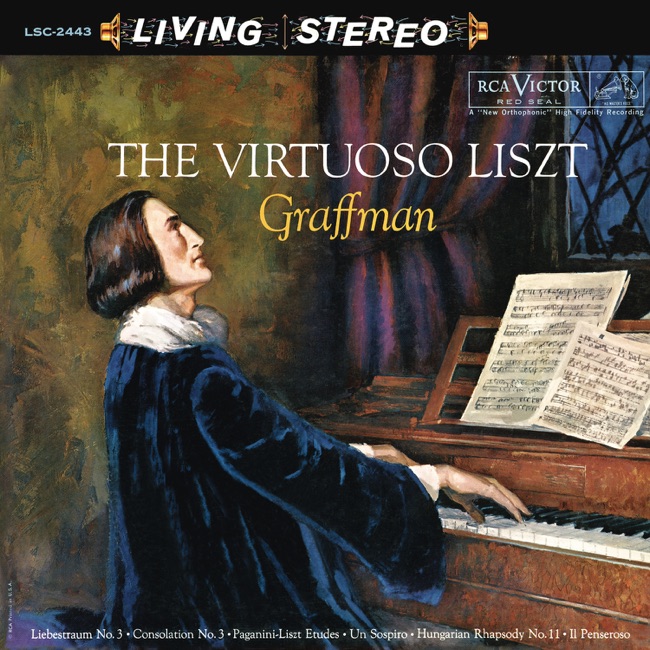
Works Info
Composer:Franz LisztGenre:KeyboardStyle:EtudeCompose Date:1851Publication Date:1851Average_duration:2:57Franz Liszt's 'La chasse, etude for piano in E major, S. 141/5' is a virtuosic piece that was composed in 1852. It was premiered in the same year in Weimar, Germany. The piece is part of a set of twelve etudes that Liszt composed, known as the 'Grandes études de Paganini'. 'La chasse' is the fifth etude in the set and is inspired by the hunting horn calls that were commonly used in the 19th century. The piece is characterized by its fast and lively tempo, which imitates the sound of galloping horses. The piece is also known for its use of arpeggios and rapid octave passages, which require great technical skill from the pianist. The piece is divided into three distinct sections or movements. The first section is marked 'Allegro vivace', which means fast and lively. This section is where the hunting horn calls are most prominent, and the pianist must play with great energy and precision to capture the excitement of the hunt. The second section is marked 'Andantino', which means moderately slow. This section provides a brief respite from the frenetic pace of the first section. The melody is more lyrical and flowing, and the pianist must play with great sensitivity to bring out the beauty of the music. The final section is marked 'Allegro', which means fast. This section returns to the hunting horn calls and the rapid octave passages that were featured in the first section. The pianist must play with great speed and accuracy to capture the excitement and energy of the hunt. Overall, 'La chasse' is a challenging and exciting piece that showcases Liszt's virtuosic piano writing. It requires great technical skill and musical sensitivity from the pianist to bring out the beauty and excitement of the music.More....
Works Music
Released Music
1
La chasse, etude for piano in E major, p. 141/5
Paganini Étude No. 5 in E major 'La chasse' S141/5
2:15
3
3:5
4
3:12
6
3:13
8
2:11
9
3:5