


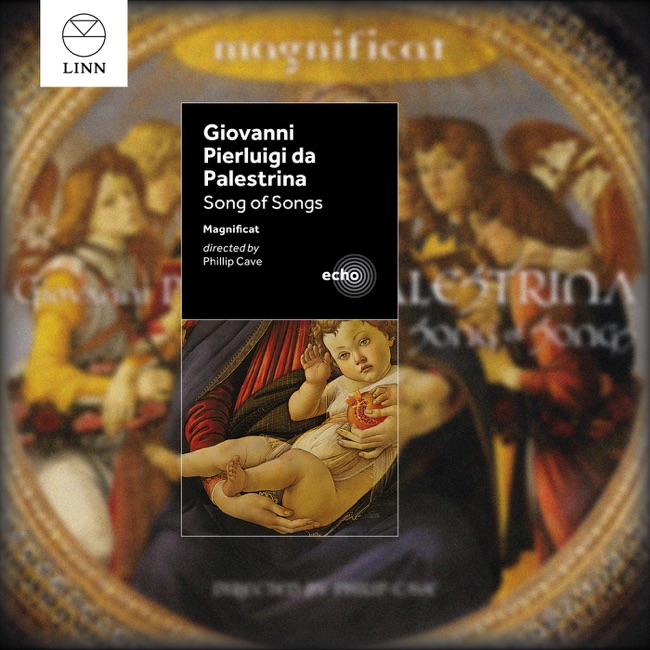
Giovanni Pierluigi da Palestrina
Pulchra es amica mea (from Motets Book IV from Canticis canticorum)
Released Album
Recent Album
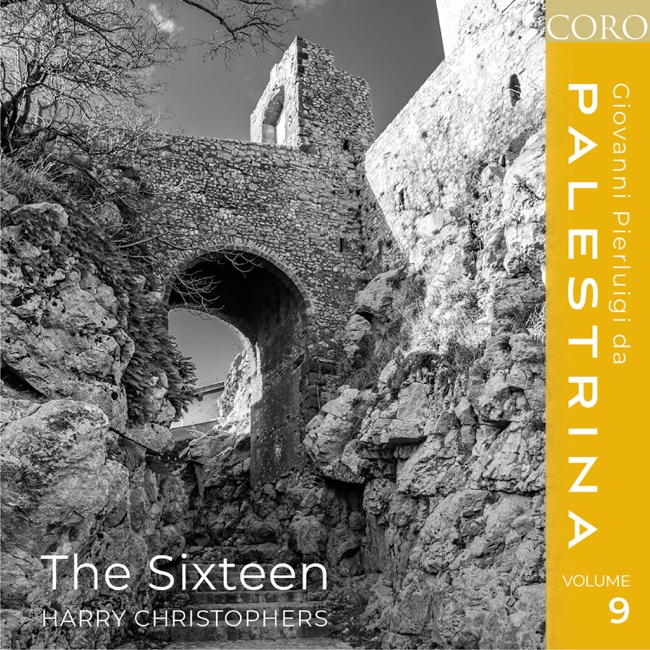

Works Info
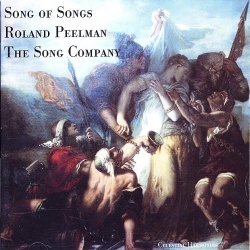
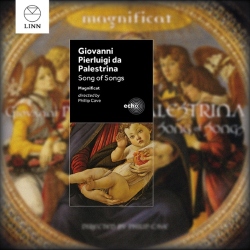
Composer:Giovanni Pierluigi da PalestrinaGenre:ChoralStyle:MotetCompose Date:1584Average_duration:3:46Giovanni Pierluigi da Palestrina was a prominent Italian composer of the Renaissance period. He is known for his sacred music compositions, which are characterized by their clarity, simplicity, and purity of sound. One of his most famous works is the motet "Pulchra es amica mea," which is part of his Motets Book IV from Canticis canticorum. The motet "Pulchra es amica mea" was composed in the late 16th century, during the height of the Renaissance period. It is a setting of a text from the Song of Solomon, which is a collection of love poems in the Old Testament. The text describes the beauty of a woman, who is compared to a garden full of fragrant flowers. The motet is written for four voices, which are arranged in a homophonic texture. The piece is divided into three movements, each of which is characterized by its own unique musical style. The first movement is slow and contemplative, with a simple melody that is repeated throughout the piece. The second movement is faster and more lively, with a more complex melody that is accompanied by a rhythmic bass line. The third movement is a return to the slow and contemplative style of the first movement, with a simple melody that is sung in unison by all four voices. The characteristics of Palestrina's music are evident in "Pulchra es amica mea." His music is known for its clarity and simplicity, with a focus on the beauty of the human voice. The motet is written in a style that emphasizes the text, with the music serving to enhance the meaning of the words. The use of homophonic texture and repetition of simple melodies creates a sense of unity and harmony, which is characteristic of Palestrina's music. The premiere of "Pulchra es amica mea" is not known, but it was likely performed in a sacred setting, such as a church or cathedral. The piece has since become a staple of the choral repertoire, and is still performed today by choirs around the world. Its enduring popularity is a testament to the timeless beauty of Palestrina's music, and its ability to inspire and uplift listeners.More....
Works Music
Released Music
3
3:50
4
4:53
5

5:22
6
4:38
7
2:59
8
2:30
9
2:30
10
3:59