


Louis Couperin
Prélude in E minor (Pièces de clavecin, No. 14)
Released Album
Recent Album
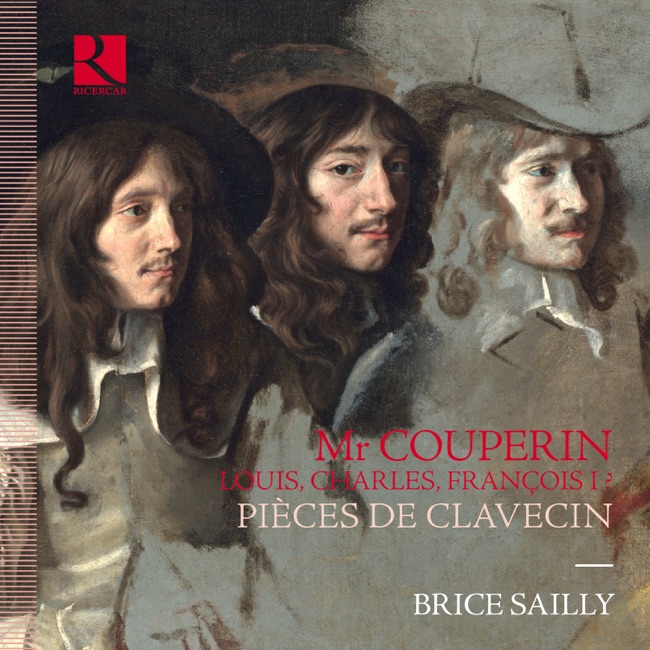
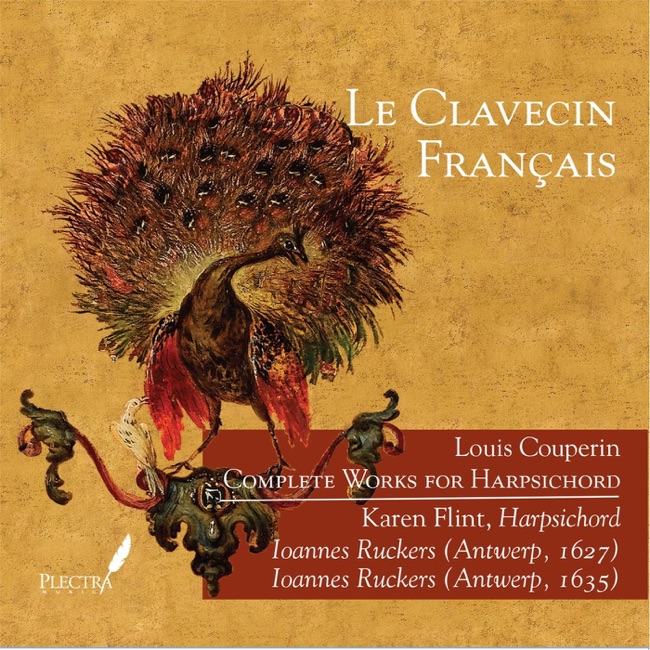
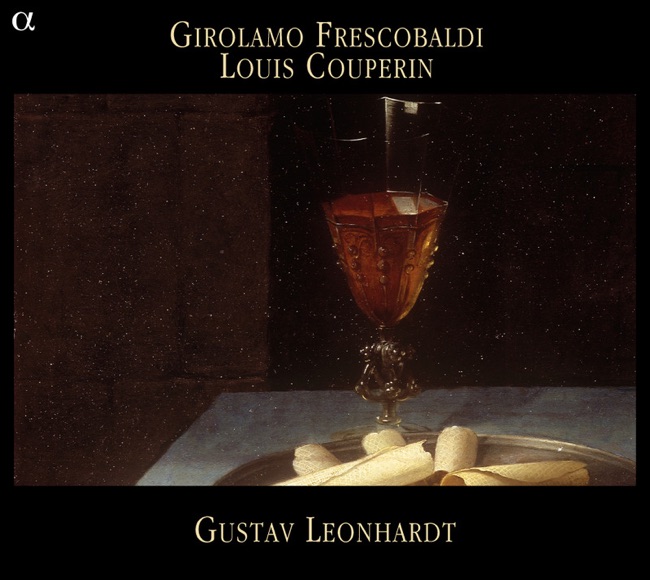
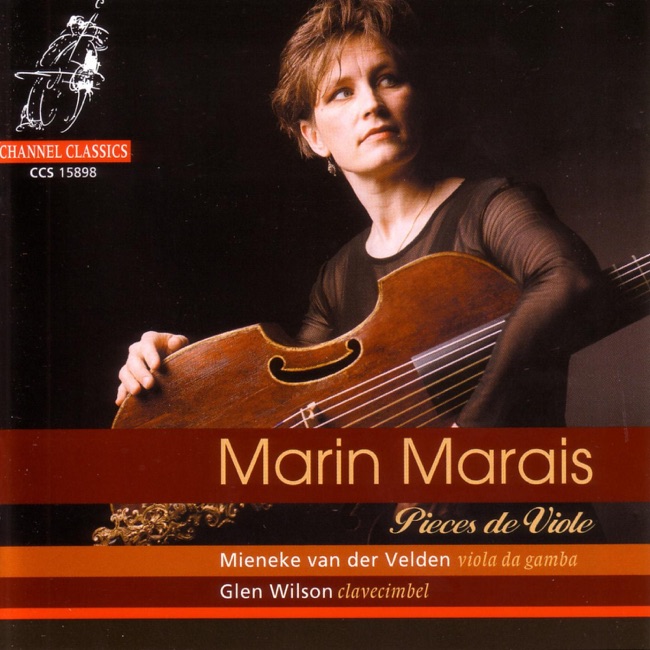
Featured Album
Works Info
Composer:Louis CouperinGenre:KeyboardStyle:KeyboardAverage_duration:1:26Louis Couperin was a French Baroque composer and harpsichordist who lived from 1626 to 1661. He was a member of a famous musical family that included his cousin, François Couperin, and his nephew, Armand-Louis Couperin. Louis Couperin was known for his keyboard music, which was highly influential in the development of the French Baroque style. One of his most famous works is the "Prélude in E minor," which is the fourteenth piece in his collection of keyboard music, "Pièces de clavecin." This collection was published posthumously in 1713, long after Couperin's death. The "Prélude in E minor" is a short piece that lasts only about a minute and a half, but it is a masterpiece of Baroque keyboard music. The "Prélude in E minor" is in a slow tempo and is characterized by its melancholy and introspective mood. It is written in the key of E minor, which was a popular key for Baroque music because of its dark and somber quality. The piece is in binary form, which means that it has two distinct sections that are repeated. The first section is in E minor and is characterized by its flowing arpeggios and gentle dissonances. The second section is in E major and is more lively and upbeat, with a faster tempo and more complex rhythms. The "Prélude in E minor" is a good example of Couperin's keyboard style, which was characterized by its use of ornamentation, improvisation, and expressive phrasing. Couperin was known for his ability to create complex and intricate textures on the keyboard, using a variety of techniques such as arpeggios, trills, and mordents. His music was also highly expressive, with a wide range of dynamics and tempos that allowed him to create a wide range of moods and emotions. The "Prélude in E minor" was likely composed in the mid-17th century, although the exact date is unknown. It was first published in 1713, along with the rest of the "Pièces de clavecin" collection. The piece has been performed and recorded by many famous pianists and harpsichordists, and it remains a popular piece of Baroque keyboard music to this day.More....
Works Music
Released Music
1
1:13
2
1:37
5
1:39
6
1:57
7
1:19
9
1:44
10
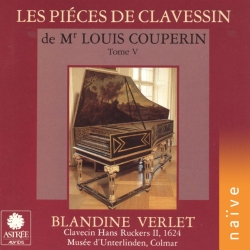
1:24
Featured Music
1
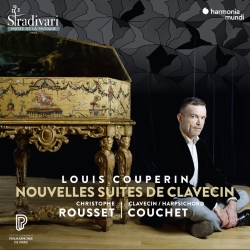
Prelude in E minor (Harpsichord Pieces, No. 14)
Suite en mi mineur / E minor: 14. Prélude [non mesuré]
1:15