Franz Joseph Haydn
Baryton Trio in G major, H. 11/65
Released Album
Recent Album
Works Info
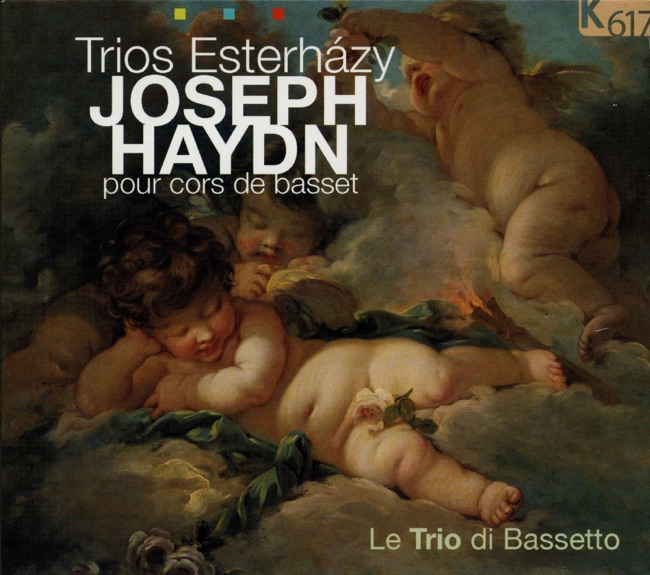
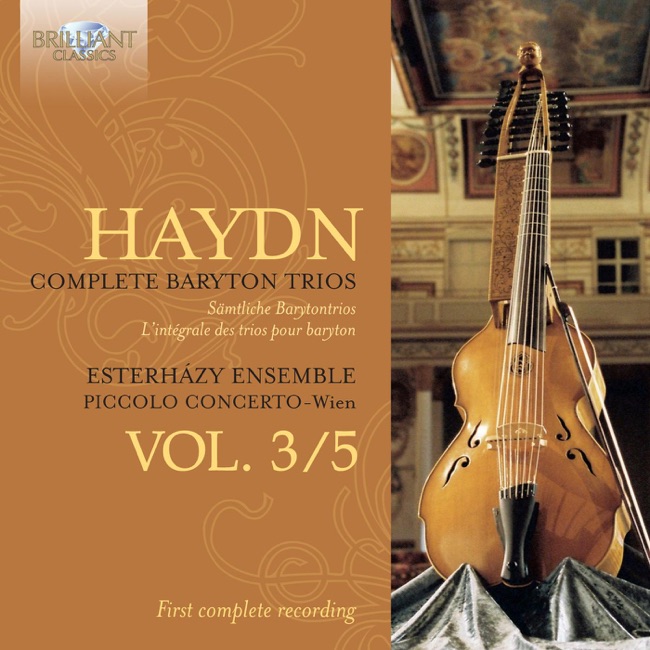
Composer:Franz Joseph HaydnGenre:ChamberAverage_duration:8:31Movement_count:3Movement ....Franz Joseph Haydn's Baryton Trio in G major, H. 11/65, was composed in the late 1760s for the baryton, a stringed instrument similar to the viola da gamba. The piece consists of three movements: Allegro moderato, Menuetto, and Finale: Presto. The first movement, Allegro moderato, begins with a lively and cheerful theme played by the baryton, accompanied by the viola and cello. The theme is then developed and passed between the three instruments, showcasing Haydn's skillful use of counterpoint. The movement ends with a brief coda, bringing the piece to a satisfying close. The second movement, Menuetto, is a graceful and elegant dance in triple meter. The baryton takes the lead in the melody, while the viola and cello provide a delicate accompaniment. The trio section features a more lively and playful theme, before returning to the main menuetto theme. The final movement, Finale: Presto, is a fast and energetic piece that showcases Haydn's mastery of form and structure. The baryton takes center stage once again, with the viola and cello providing a lively and rhythmic accompaniment. The movement features several contrasting themes, including a brief section in a minor key, before returning to the main theme for a thrilling conclusion. Overall, Haydn's Baryton Trio in G major is a delightful and charming piece that showcases the unique qualities of the baryton, as well as Haydn's skill as a composer. The piece premiered in the late 1760s and remains a popular work in the chamber music repertoire.More....
Works Music
Released Music