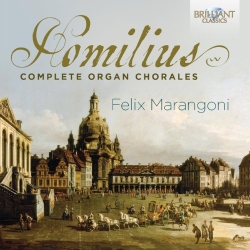
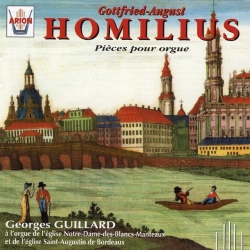
Gottfried August Homilius
Choral Prelude for organ, "Wo Soll Ich Fliehen Hin"
Released Album
Recent Album
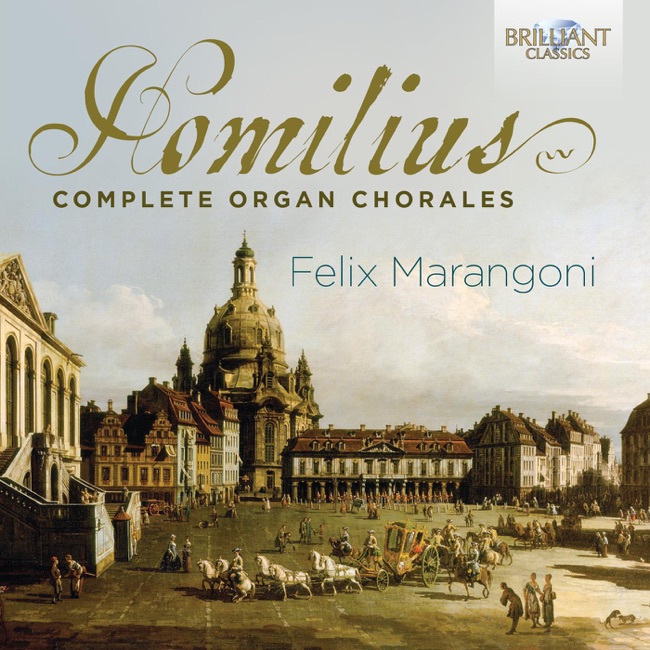
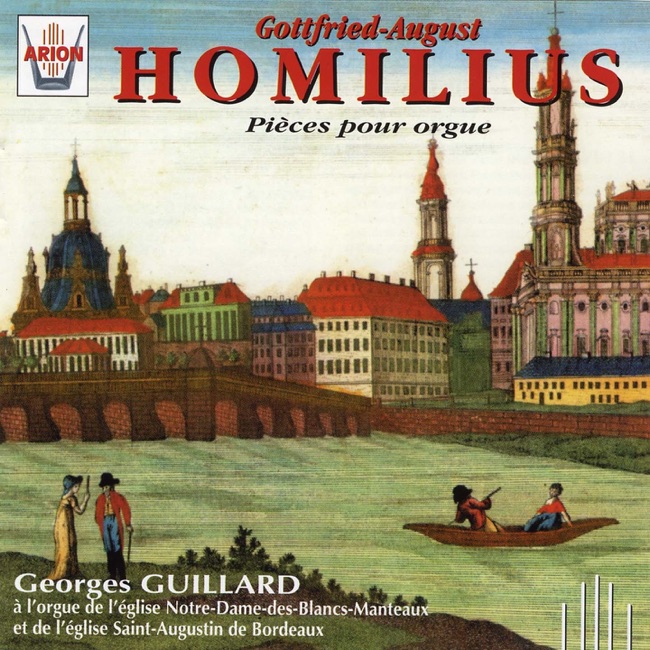
Works Info
Composer:Gottfried August HomiliusGenre:KeyboardStyle:Chorale PreludeAverage_duration:2:09Gottfried August Homilius was a German composer and organist of the late Baroque era. He was born in Rosenthal, Saxony, on February 2, 1714, and died in Dresden on June 2, 1785. Homilius was a prolific composer, and his works include over 200 cantatas, 60 motets, and numerous instrumental pieces. One of Homilius's most famous works is his Choral Prelude for organ, Wo Soll Ich Fliehen Hin. This piece is based on a hymn by Johann Heermann, which translates to "Where Shall I Flee?" The hymn is a meditation on the Christian's need for salvation and the refuge that can be found in God. Homilius's Choral Prelude for organ is a four-movement work that was composed in the late 1750s. The piece begins with a slow and solemn introduction, which sets the mood for the entire work. The first movement is a fugue, which is characterized by its contrapuntal texture and the use of a single theme that is developed throughout the movement. The second movement is a chorale, which features the hymn tune in the upper voice of the organ. The lower voices provide a harmonic accompaniment, and the overall effect is one of simplicity and beauty. The third movement is a trio, which features a dialogue between the upper and lower voices of the organ. The middle voice provides a counterpoint to the other two voices, and the movement ends with a brief coda. The final movement is a fugue, which is similar in style to the first movement. However, this fugue is more complex and features a greater degree of chromaticism. The movement builds to a climax before ending with a quiet and reflective coda. Overall, Homilius's Choral Prelude for organ, Wo Soll Ich Fliehen Hin, is a beautiful and contemplative work that showcases the composer's skill in writing for the organ. The piece is characterized by its contrapuntal texture, use of hymn tunes, and complex harmonies. It premiered in the late 1750s and remains a popular work in the organ repertoire to this day.More....
Works Music
Released Music