


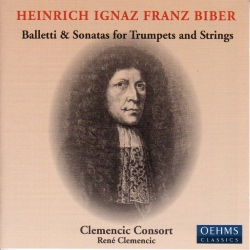
Heinrich Ignaz Franz von Biber
Balletti à 6, suite in C major, C. 57
Released Album
Recent Album


Works Info
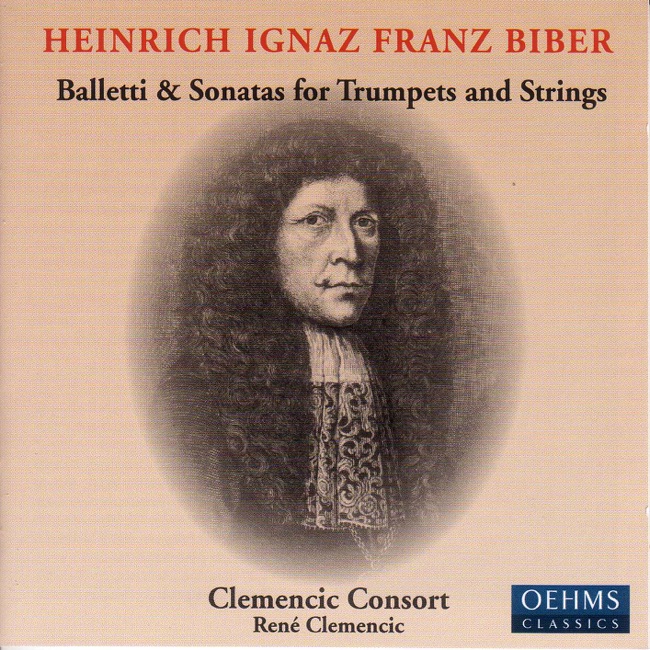
Composer:Heinrich Ignaz Franz von BiberGenre:OrchestralStyle:DanceCompose Date:1690Average_duration:12:13Heinrich Ignaz Franz von Biber's 'Balletti à 6, suite in C major, C. 57' is a Baroque-era composition that was composed in the late 17th century. The piece was premiered in Salzburg, Austria, in 1676, and it consists of six movements. The first movement, titled "Preludio," is a lively and energetic piece that sets the tone for the rest of the suite. It features a fast-paced melody that is played by the violins and is accompanied by the rest of the orchestra. The second movement, "Allamanda," is a slower and more graceful piece that is characterized by its use of dotted rhythms. The melody is played by the violins and is accompanied by the rest of the orchestra. The third movement, "Sarabanda," is a slow and stately piece that is characterized by its use of triple meter. The melody is played by the violins and is accompanied by the rest of the orchestra. The fourth movement, "Gavotte," is a lively and playful piece that is characterized by its use of syncopated rhythms. The melody is played by the violins and is accompanied by the rest of the orchestra. The fifth movement, "Minuet," is a graceful and elegant piece that is characterized by its use of triple meter. The melody is played by the violins and is accompanied by the rest of the orchestra. The final movement, "Gigue," is a fast and lively piece that is characterized by its use of compound meter. The melody is played by the violins and is accompanied by the rest of the orchestra. Overall, 'Balletti à 6, suite in C major, C. 57' is a beautiful and well-crafted piece of music that showcases Biber's skill as a composer. Its use of different rhythms, melodies, and harmonies creates a diverse and engaging listening experience that is sure to delight audiences.More....
Works Music
Released Music
1
2:34

3
56
4

56
5
1:51