Jacques Ibert
Golgotha
Released Album
Featured Album
Works Info
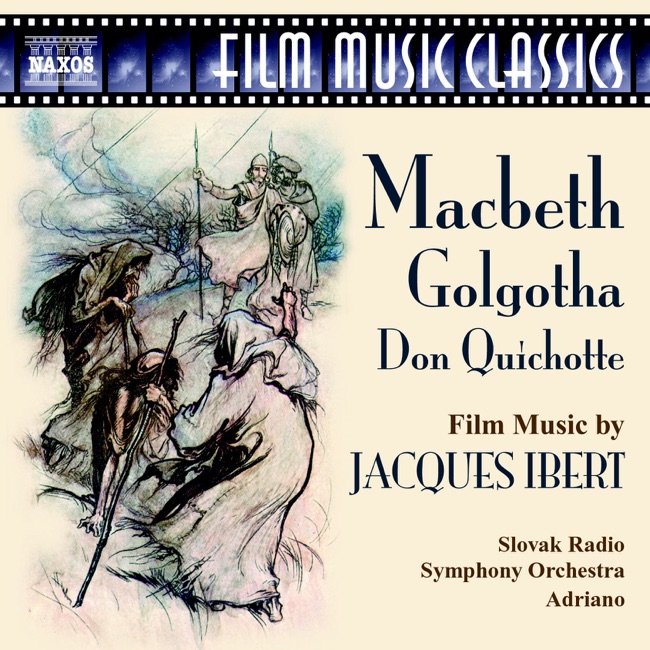
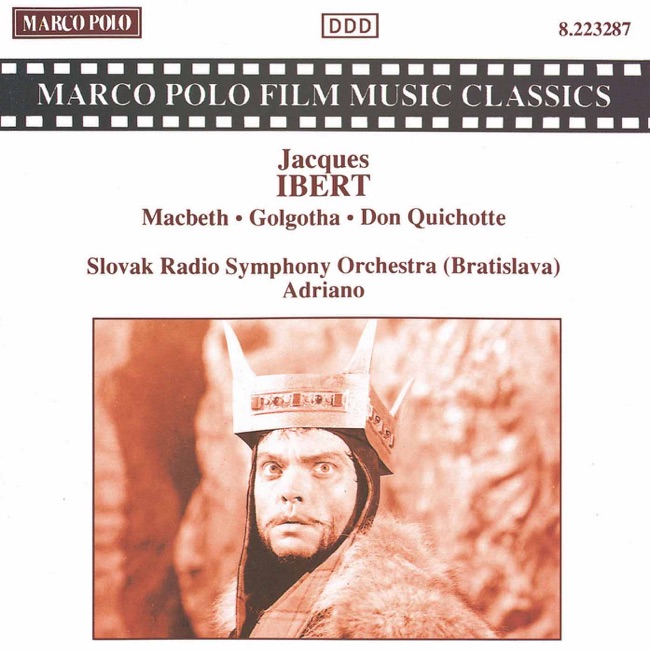
Composer:Jacques IbertGenre:OrchestralStyle:OrchestralCompose Date:1935Average_duration:34:52"Golgotha" is a composition for chorus and orchestra by French composer Jacques Ibert. It was composed in 1935 and premiered on March 12, 1936, in Paris, France. The piece is divided into three movements and has a total duration of approximately 25 minutes. The first movement, titled "The Agony," begins with a somber and mournful introduction by the orchestra. The chorus then enters, singing a text that describes the suffering of Christ on the cross. The music is characterized by dissonant harmonies and a sense of tension and unease, reflecting the intense emotional and physical pain of the crucifixion. The second movement, "The Death," is a slow and solemn dirge that depicts the moment of Christ's death. The orchestra plays a mournful melody while the chorus sings a text that reflects on the significance of Christ's sacrifice. The music is marked by a sense of reverence and awe, as well as a feeling of sadness and loss. The final movement, "The Resurrection," is a triumphant and joyful celebration of Christ's resurrection. The music is characterized by bright, fanfare-like melodies and energetic rhythms, reflecting the sense of hope and renewal that comes with the Easter story. The chorus sings a text that proclaims the victory of Christ over death and the promise of eternal life. Overall, "Golgotha" is a powerful and emotionally charged work that explores the themes of suffering, death, and resurrection. Ibert's use of dissonant harmonies and dramatic contrasts creates a sense of tension and drama, while the triumphant final movement provides a sense of resolution and hope. The piece remains a popular choice for Easter and Lenten performances, and is considered one of Ibert's most significant works.More....
Works Music
Featured Music