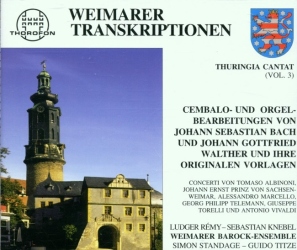
Johann Ernst
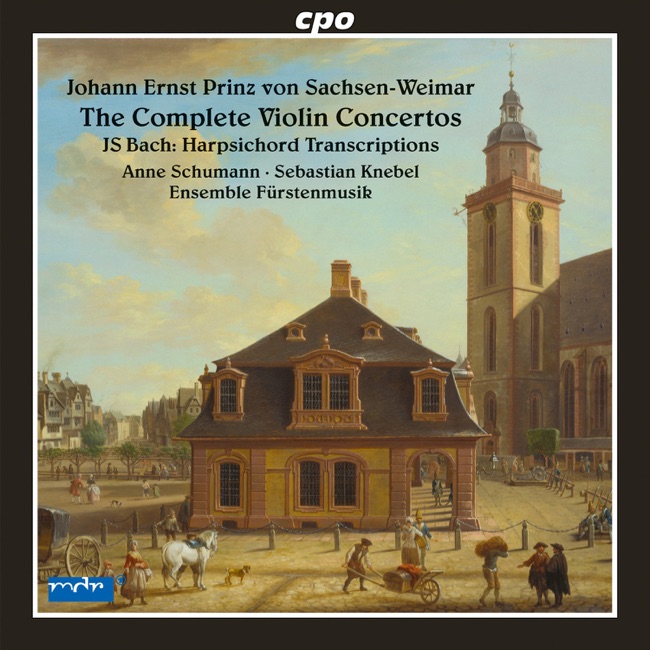
Concerto for violin, strings & continuo in G major
Released Album
Recent Album
Works Info
Composer:Johann ErnstGenre:ConcertoStyle:ConcertoAverage_duration:5:39The Concerto for violin, strings & continuo in G major is a Baroque composition by Johann Ernst, a German composer and violinist who lived from 1696 to 1715. The exact date of composition is unknown, but it is believed to have been written in the early 18th century. The concerto is in three movements, typical of the Baroque concerto form. The first movement is marked Allegro and is in G major. It is characterized by a lively and energetic melody played by the solo violin, which is then echoed by the orchestra. The second movement is marked Adagio and is in D major. It is a slow and lyrical movement, with the solo violin playing a beautiful and expressive melody accompanied by the strings. The final movement is marked Allegro and is in G major. It is a fast and lively movement, with the solo violin playing virtuosic runs and trills, accompanied by the orchestra. The concerto is written for solo violin, strings, and continuo, which typically includes a harpsichord and a bass instrument such as a cello or double bass. The continuo provides a harmonic foundation for the solo violin and orchestra, while also allowing for improvisation and ornamentation. The concerto is a prime example of the Baroque concerto form, which typically features a solo instrument or group of instruments (the concertino) playing against a larger ensemble (the ripieno). The soloist is given ample opportunity to showcase their virtuosity and musicality, while also interacting with the orchestra in a dialogue-like manner. Overall, the Concerto for violin, strings & continuo in G major is a beautiful and engaging work that showcases the talents of both the soloist and the orchestra. Its lively melodies, expressive harmonies, and virtuosic solo passages make it a beloved piece in the Baroque repertoire.More....
Works Music
Released Music
1
Concerto for violin, strings & continuo in G major
Adagio e staccato - Presto - Adagio e staccato - Presto - Adagio
2:1