Alexander Scriabin
Mysterium
Released Album
Recent Album
Works Info
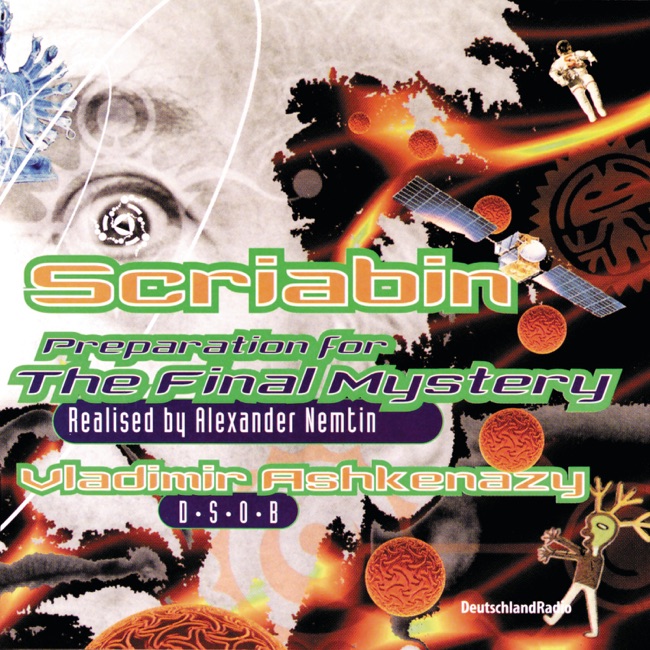
Composer:Alexander ScriabinGenre:ChoralStyle:Tone PoemCompose Date:1914Average_duration:80:10Mysterium is a musical work composed by Alexander Scriabin, a Russian composer and pianist. The composition of Mysterium began in 1903, and Scriabin intended it to be a grandiose work that would combine music, dance, and light in a mystical and spiritual experience. The premiere of Mysterium was planned to take place in the foothills of the Himalayas, but Scriabin died before he could complete the work. Mysterium was intended to be a massive work that would last for seven days and nights, and it was to be performed in a specially constructed temple that would accommodate thousands of people. The work was divided into three acts, each of which was further divided into several movements. The first act was called "The Calling," the second act was called "The Preparation," and the third act was called "The Sacrifice." The music of Mysterium is characterized by Scriabin's use of unconventional harmonies and his interest in mysticism and spirituality. The work is heavily influenced by Scriabin's belief in theosophy, a spiritual movement that seeks to understand the nature of the universe and the purpose of human existence. The music of Mysterium is often described as ethereal and otherworldly, with a sense of transcendence and spiritual awakening. In addition to the music, Mysterium was also intended to incorporate dance and light. Scriabin believed that the combination of these elements would create a powerful and transformative experience for the audience. The dance was to be performed by a group of specially trained dancers, and the lighting was to be controlled by a team of technicians who would use colored lights to create a mystical atmosphere. Despite Scriabin's grand vision for Mysterium, the work was never completed. Scriabin died in 1915, and only a few fragments of the score and some sketches of the temple remain. However, the idea of Mysterium has continued to inspire musicians and artists, and it remains a testament to Scriabin's unique vision and his belief in the transformative power of art.More....