Napoléon Coste
Etude for guitar in A major, Op. 38/6
Released Album
Recent Album
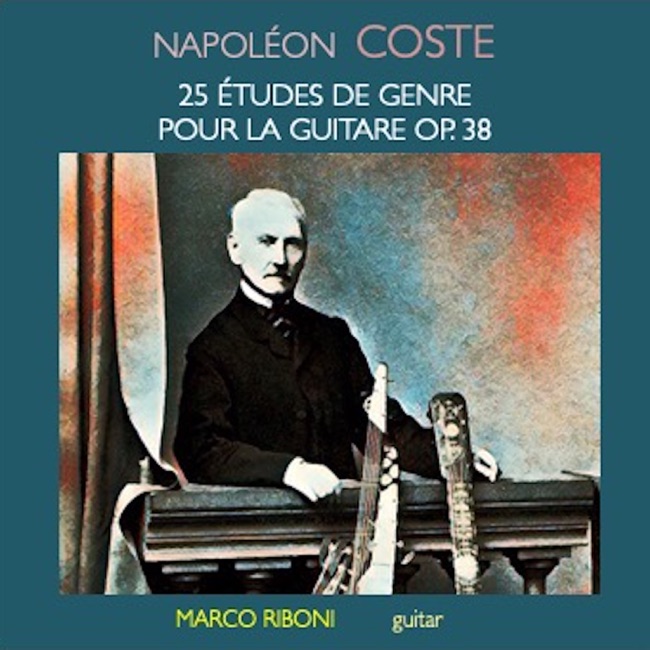
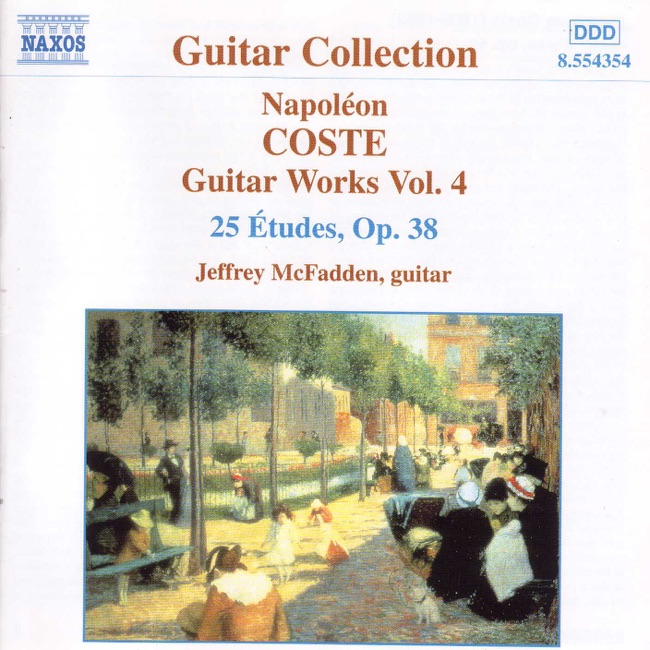
Works Info
Composer:Napoléon CosteGenre:ChamberStyle:EtudeAverage_duration:1:46Etude for guitar in A major, Op. 38/6 is a piece composed by Napoléon Coste, a French guitarist and composer who lived from 1805 to 1883. The piece was composed in the mid-19th century and was first published in 1863. It is one of the many etudes that Coste composed for the guitar, and it is considered one of his most popular works. The Etude for guitar in A major, Op. 38/6 is a single-movement piece that is characterized by its virtuosic and challenging technical demands. The piece is written in A major and is in a fast tempo, with a time signature of 6/8. The piece is structured in a rondo form, with a recurring theme that is interspersed with contrasting sections. The piece begins with a lively and energetic theme that is played in the upper register of the guitar. This theme is then repeated several times, with variations and embellishments added each time. The contrasting sections of the piece feature a variety of technical challenges, including rapid arpeggios, intricate fingerings, and complex chord progressions. One of the most notable characteristics of the Etude for guitar in A major, Op. 38/6 is its use of harmonics. Coste was known for his innovative use of harmonics in his compositions, and this piece is no exception. The piece features several sections where the guitarist is required to play harmonics, which creates a unique and ethereal sound. The Etude for guitar in A major, Op. 38/6 premiered in the mid-19th century and quickly became a popular piece among guitarists. It has since become a staple of the classical guitar repertoire and is often performed in concerts and competitions. The piece is a testament to Coste's skill as a composer and his ability to push the technical limits of the guitar.More....
Works Music