Franz Liszt
Mephisto Waltz, S. 599/2
Released Album
Recent Album
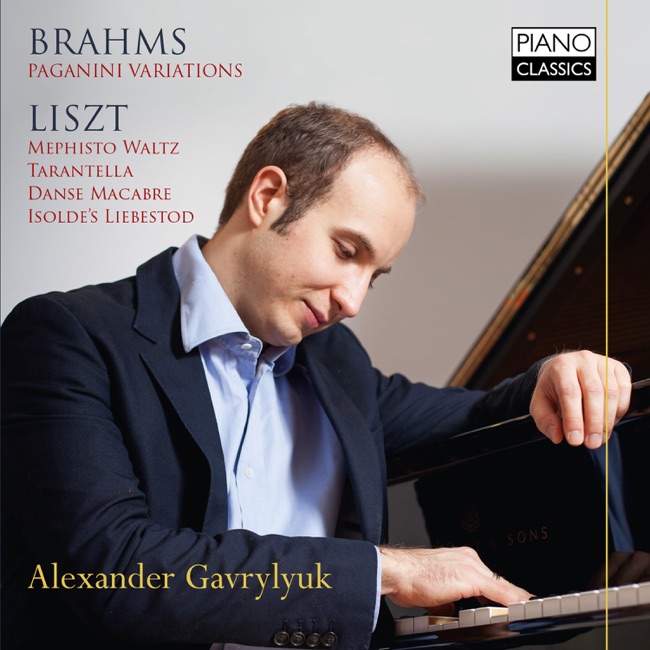

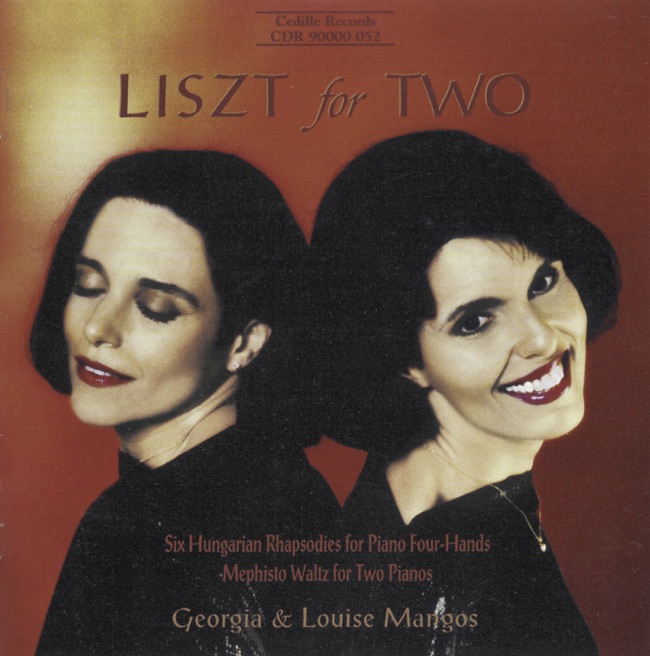
Featured Album

Works Info
Composer:Franz LisztGenre:KeyboardStyle:WaltzCompose Date:1856 - 1861Publication Date:1862Average_duration:11:00The Mephisto Waltz, S. 599/2, is a solo piano piece composed by Franz Liszt in 1859. It was inspired by the character of Mephistopheles, a demon from German folklore who appears in Johann Wolfgang von Goethe's Faust. The piece was premiered by Liszt himself in Berlin in 1860. The Mephisto Waltz is divided into two main sections, each with its own distinct character. The first section is slow and mysterious, with a haunting melody that is played in the left hand while the right hand provides a delicate accompaniment. This section builds in intensity, with the left hand playing more complex and virtuosic passages as the right hand continues to provide a delicate counterpoint. The second section is a fast and lively waltz, with a playful and devilish character that is meant to evoke the spirit of Mephistopheles. The waltz is full of virtuosic runs and arpeggios, with the left hand playing a driving bass line that propels the music forward. The waltz builds to a frenzied climax before returning to the slower, more mysterious opening theme. One of the most striking characteristics of the Mephisto Waltz is its use of chromaticism. Liszt employs a wide range of chromatic harmonies and melodic lines, which give the piece a sense of ambiguity and unpredictability. This chromaticism is particularly evident in the second section of the waltz, where Liszt uses a series of descending chromatic scales to create a sense of tension and release. Overall, the Mephisto Waltz is a virtuosic and dramatic piece that showcases Liszt's technical prowess and his ability to create vivid musical images. Its combination of mystery, playfulness, and devilishness make it a popular choice for pianists and audiences alike.More....
Works Music
Released Music

4
11:10
Featured Music