Toru Takemitsu
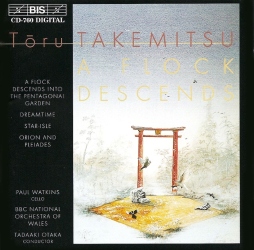
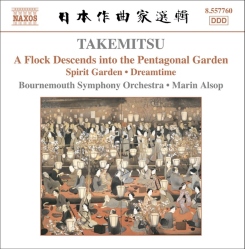
Dreamtime
Released Album
Recent Album
Featured Album
Works Info
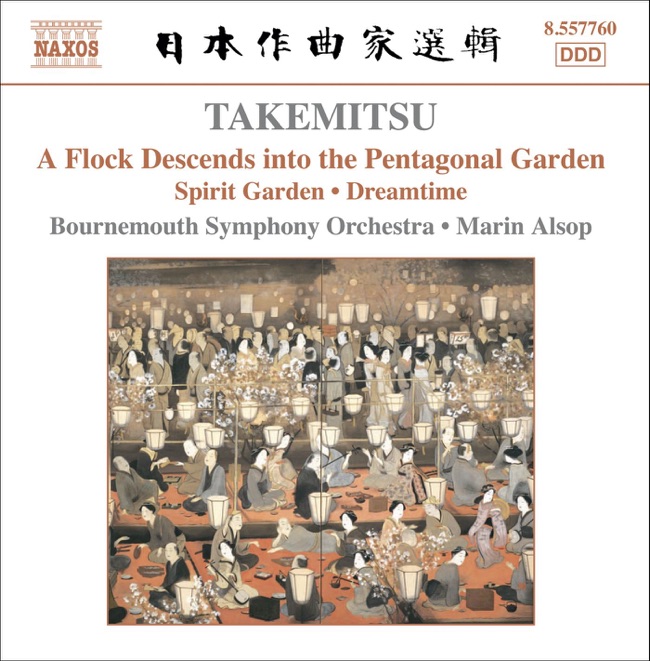
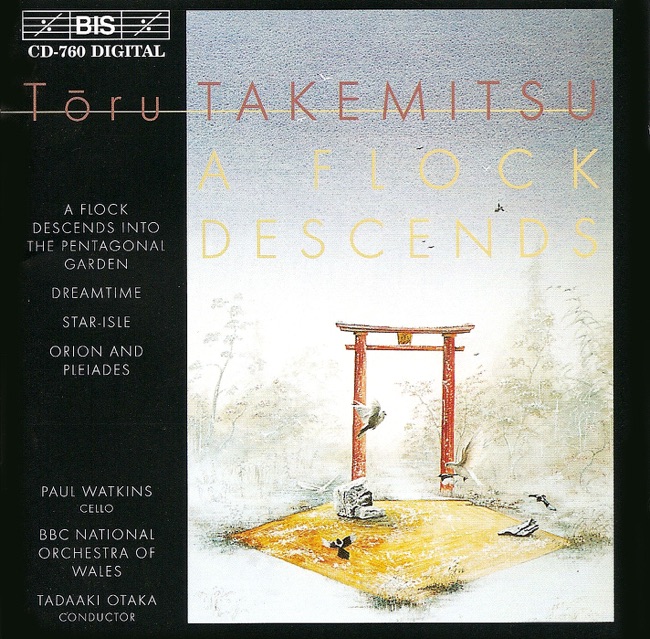
Composer:Toru TakemitsuGenre:OrchestralStyle:OrchestralCompose Date:1981Average_duration:13:41Dreamtime is a composition for solo flute and orchestra, composed by Toru Takemitsu in 1981. It was commissioned by the New Japan Philharmonic and premiered on October 16, 1981, with Jean-Pierre Rampal as the soloist and Hiroyuki Iwaki conducting the orchestra. The piece is divided into three movements, each of which is inspired by a different aspect of Australian Aboriginal culture. The first movement, titled "Karnaval," is based on the Aboriginal concept of the Dreamtime, which refers to the creation myths and spiritual beliefs of the indigenous people of Australia. The music is characterized by a sense of mystery and wonder, with the flute and orchestra weaving together intricate melodies and harmonies. The second movement, "Nostalghia," is named after the 1983 film by Andrei Tarkovsky, which Takemitsu composed the score for. The music is more introspective and melancholic, with the flute taking on a more prominent role and the orchestra providing a subtle, atmospheric backdrop. The final movement, "Toward the Sea," is based on the Aboriginal belief that all life originated from the sea. The music is characterized by a sense of fluidity and motion, with the flute and orchestra evoking the ebb and flow of the ocean. The movement also features a prominent role for the percussion section, which adds a rhythmic pulse to the music. Overall, Dreamtime is a hauntingly beautiful composition that showcases Takemitsu's unique blend of Western classical music and traditional Japanese aesthetics. The piece is characterized by its use of intricate melodies and harmonies, as well as its evocative use of orchestration to create a sense of atmosphere and mood.More....
Works Music
Released Music
1
13:32
Featured Music