Jean-Philippe Rameau
Laboravi
Released Album
Recent Album
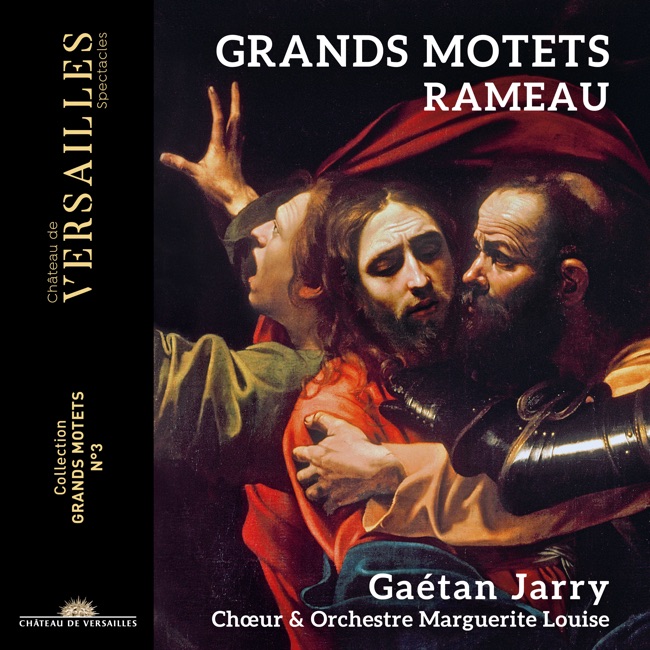


Featured Album
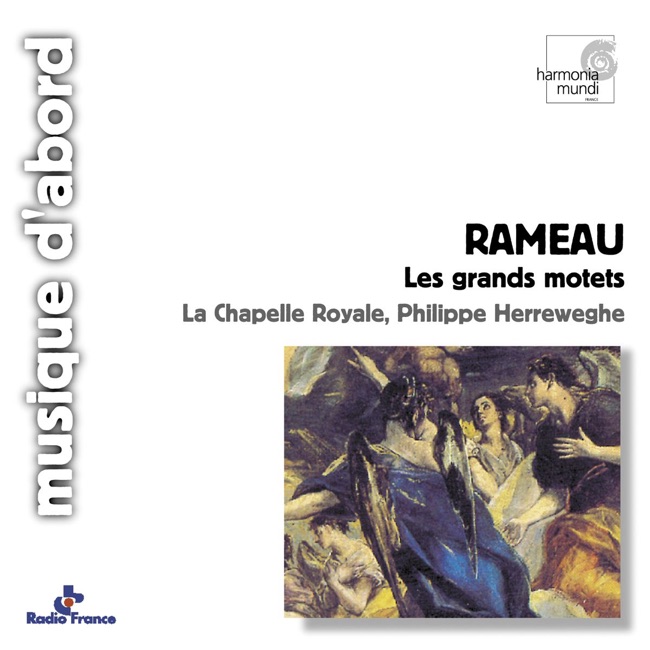
Works Info
Composer:Jean-Philippe RameauGenre:ChoralStyle:ChorusCompose Date:ca. 1722Publication Date:1722Average_duration:2:39Jean-Philippe Rameau's "Laboravi" is a cantata for solo soprano and orchestra. It was composed in 1748 and premiered in Paris on January 17, 1749. The cantata consists of three movements, each with its own distinct characteristics. The first movement, "Laboravi clamans," is a recitative that begins with the soprano lamenting her troubles and calling out for help. The orchestra responds with a somber and mournful melody, reflecting the soprano's distress. The movement then transitions into an aria, "In profundis," where the soprano expresses her hopelessness and despair. The orchestra provides a rich and complex accompaniment, with the strings and woodwinds weaving in and out of each other to create a sense of depth and complexity. The second movement, "Quoniam si voluisses," is a lively and energetic aria. The soprano sings of the joy and relief she feels now that her troubles have been lifted. The orchestra provides a bright and cheerful accompaniment, with the strings and woodwinds playing fast and intricate melodies. The final movement, "Domine salvum fac regem," is a grand and majestic chorus. The soprano joins with the choir to sing a prayer for the king's safety and prosperity. The orchestra provides a powerful and triumphant accompaniment, with the brass and percussion adding to the sense of grandeur and majesty. Overall, "Laboravi" is a complex and emotionally charged cantata that showcases Rameau's skill as a composer. The use of recitative, aria, and chorus allows for a range of emotions and moods to be expressed, while the intricate and layered orchestration adds depth and complexity to the work.More....
Works Music
Released Music


Featured Music