Johannes Schenck
Sonata No. 12 in D minor, Op. 8/12
Released Album
Recent Album
Works Info
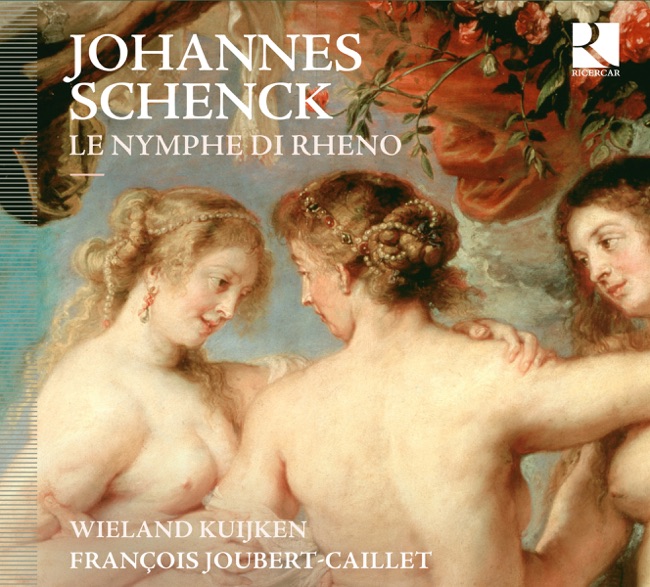
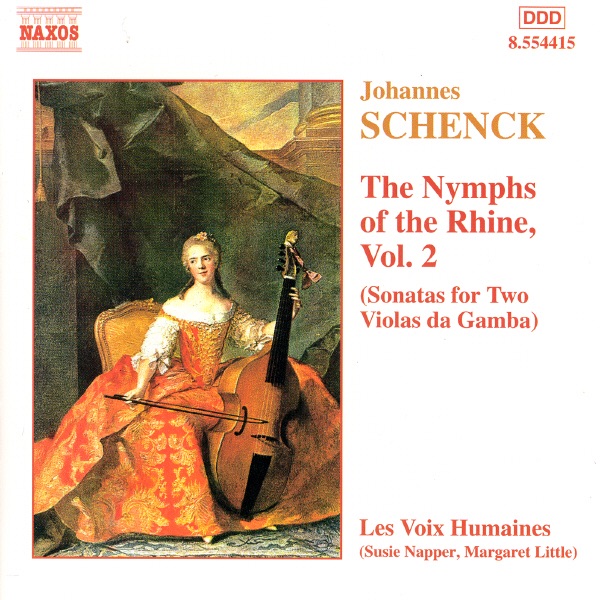
Composer:Johannes SchenckGenre:ChamberStyle:SonataAverage_duration:7:44Johannes Schenck's Sonata No. 12 in D minor, Op. 8/12, was composed in the late 17th century. The exact date of composition is unknown, but it is believed to have been written around 1683. The sonata is a part of Schenck's collection of twelve sonatas for viola da gamba and basso continuo, which were published in Amsterdam in 1683. The sonata is divided into four movements: Prelude, Allemande, Courante, and Sarabande. The Prelude is a short, improvisatory piece that sets the mood for the rest of the sonata. The Allemande is a dance in moderate tempo, characterized by its flowing, triple meter. The Courante is a lively dance in triple meter, with a strong emphasis on the second beat. The Sarabande is a slow, stately dance in triple meter, with a strong emphasis on the first beat. The sonata is written for viola da gamba and basso continuo, with the viola da gamba taking the lead role. The basso continuo provides a harmonic foundation for the viola da gamba, and is typically played by a harpsichord or organ, along with a cello or bass viol. The sonata is characterized by its virtuosic writing for the viola da gamba, with fast runs, intricate ornamentation, and expressive melodic lines. Schenck was known for his innovative use of the viola da gamba, and his sonatas are considered some of the most important works for the instrument from the Baroque era. Overall, Sonata No. 12 in D minor, Op. 8/12, is a masterful work that showcases Schenck's skill as a composer and his deep understanding of the viola da gamba. Its four movements offer a range of moods and styles, from the improvisatory Prelude to the stately Sarabande, and its virtuosic writing for the viola da gamba makes it a challenging and rewarding work for performers.More....
Works Music
Released Music