John Cage
Music for …
Released Album
Recent Album
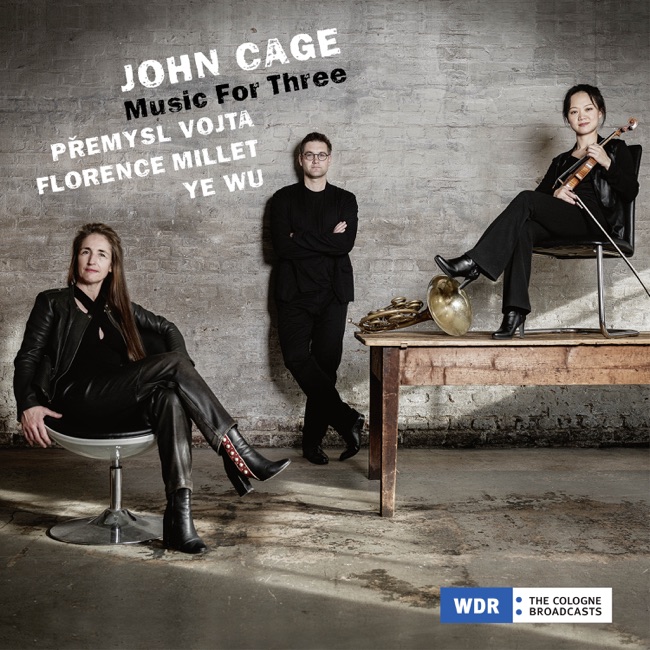
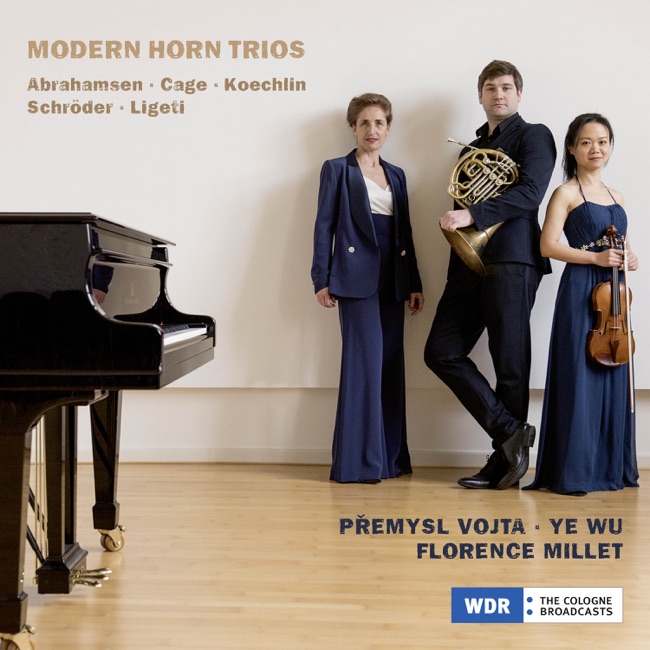
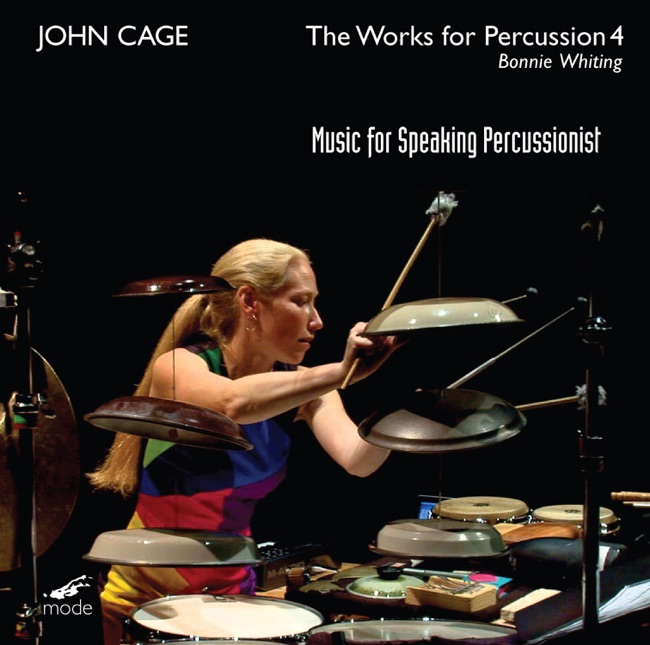
Featured Album
Works Info
Composer:John CageGenre:MiscellaneousStyle:Open FormCompose Date:1984Average_duration:27:38John Cage's "Music for …" is a series of compositions that were created between 1952 and 1970. The pieces were designed to be performed in a variety of settings, including dance performances, art installations, and theatrical productions. The compositions were also intended to be flexible, with performers able to choose which movements to play and in what order. The first piece in the series, "Music for Piano," was composed in 1952 and premiered in New York City the same year. The piece consists of 63 short movements, each of which is only a few seconds long. The movements are notated using graphic symbols rather than traditional musical notation, and the performer is instructed to play them in any order they choose. Other pieces in the series include "Music for Carillon," "Music for Amplified Toy Pianos," and "Music for Changes." Each piece has its own unique characteristics, but they all share a focus on unconventional instrumentation and a rejection of traditional musical structures. One of the most notable characteristics of the "Music for …" series is its use of chance operations. Cage believed that music should be created through a process of random selection, rather than through the composer's conscious decision-making. To achieve this, he used a variety of techniques, including the use of the I Ching (an ancient Chinese divination text) to determine the order of movements in some of the pieces. Overall, the "Music for …" series represents a significant departure from traditional Western music. Cage's use of unconventional instrumentation, graphic notation, and chance operations challenged the very foundations of musical composition and paved the way for the experimental music of the 1960s and beyond.More....
Works Music
Released Music
3
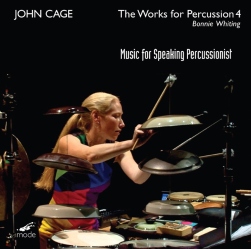
Music for …
Music for Two (By One) a solo-simultaneous realization of Music for - for solo voice and solo percussion.
13:37
Featured Music