


Johann Pachelbel
Chorale Prelude "Was mein gott will, das gescheh' allzeit (II), T. 67
Released Album
Recent Album
Works Info
Composer:Johann PachelbelGenre:KeyboardStyle:Chorale PreludeCompose Date:before Apr 1706Publication Date:1903Average_duration:2:40Johann Pachelbel's 'Chorale Prelude Was mein gott will, das gescheh' allzeit (II), T. 67' is a piece of music that was composed in the Baroque era. The piece was composed for the organ and is a chorale prelude, which is a type of composition that is based on a hymn or chorale. The piece is also known as 'What God does, that is well done' and is based on a hymn by Samuel Rodigast. The piece was composed in the late 17th century, around 1680, and was premiered in Germany. The piece is made up of four movements, each of which is based on a different section of the hymn. The first movement is a slow and contemplative introduction, which sets the tone for the rest of the piece. The second movement is a lively and energetic section, which is based on the first verse of the hymn. The third movement is a slower and more reflective section, which is based on the second verse of the hymn. The final movement is a triumphant and joyful section, which is based on the final verse of the hymn. The piece is characterized by its use of counterpoint, which is a technique that involves the interweaving of multiple melodies. Pachelbel was known for his skill in counterpoint, and this piece is a prime example of his mastery of the technique. The piece also features a number of ornamental flourishes, which add to its complexity and beauty. Overall, 'Chorale Prelude Was mein gott will, das gescheh' allzeit (II), T. 67' is a beautiful and complex piece of music that showcases Pachelbel's skill as a composer. Its use of counterpoint and ornamental flourishes make it a challenging piece to perform, but also a rewarding one for both performers and listeners alike.More....
Works Music
Released Music
1
3:10
2
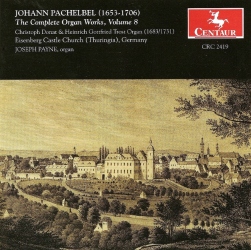
3:19
3
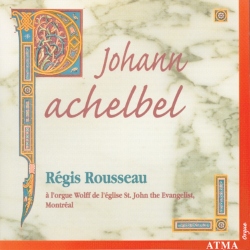
1:25