Josef Suk
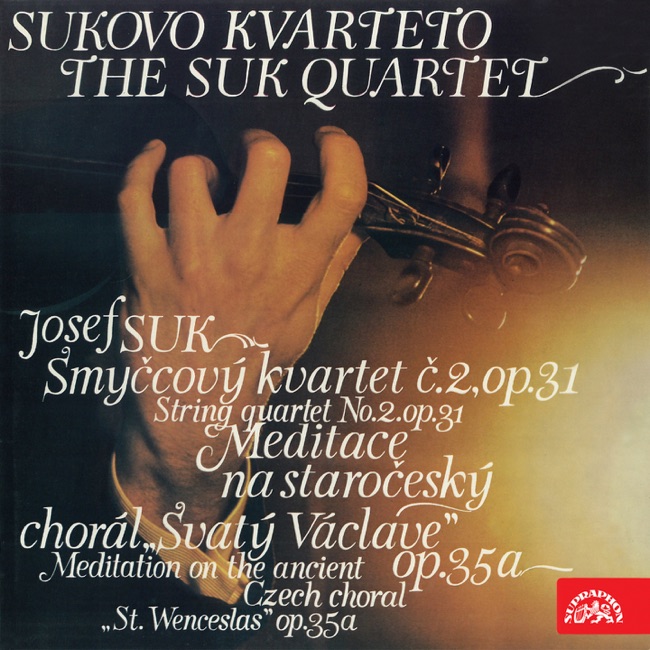
String Quartet No. 2, Op. 31
Released Album
Recent Album
Featured Album
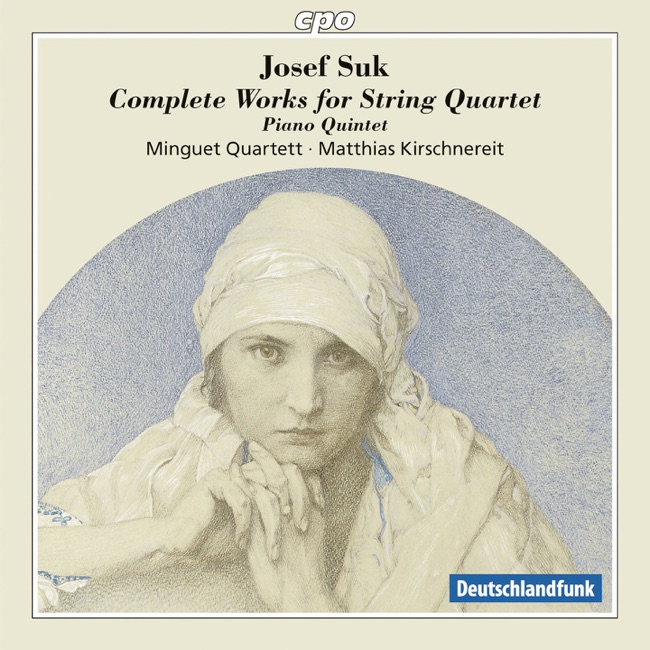
Works Info
Composer:Josef SukGenre:ChamberStyle:QuartetAverage_duration:28:28Josef Suk's String Quartet No. 2, Op. 31, was composed in 1910 and premiered in Prague in the same year. The quartet is divided into four movements, each with its own distinct character and mood. The first movement, marked Allegro moderato, begins with a lyrical melody played by the first violin. The other instruments soon join in, creating a rich and complex texture. The movement is characterized by its use of chromaticism and frequent changes in tempo and dynamics. The second movement, marked Adagio, is a slow and introspective piece. The cello takes the lead with a mournful melody, which is then passed on to the other instruments. The movement is notable for its use of pizzicato and harmonics, which create a haunting and ethereal atmosphere. The third movement, marked Allegro giocoso, is a lively and playful scherzo. The movement is characterized by its use of syncopation and irregular rhythms, which give it a sense of unpredictability and excitement. The trio section features a more lyrical melody, which is then developed and transformed in the return of the scherzo. The final movement, marked Allegro con fuoco, is a fiery and energetic finale. The movement begins with a driving rhythm played by the cello, which is then taken up by the other instruments. The movement is characterized by its use of folk-like melodies and dance rhythms, which give it a sense of vitality and joy. Overall, Suk's String Quartet No. 2 is a complex and emotionally rich work, characterized by its use of chromaticism, irregular rhythms, and folk-like melodies. The quartet is a testament to Suk's skill as a composer and his ability to create music that is both technically challenging and emotionally engaging.More....
Works Music
Released Music
3
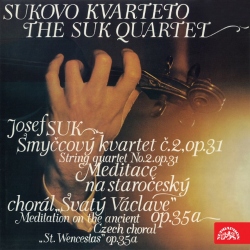
28:44
Featured Music