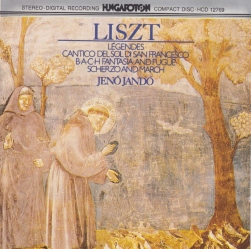
Franz Liszt
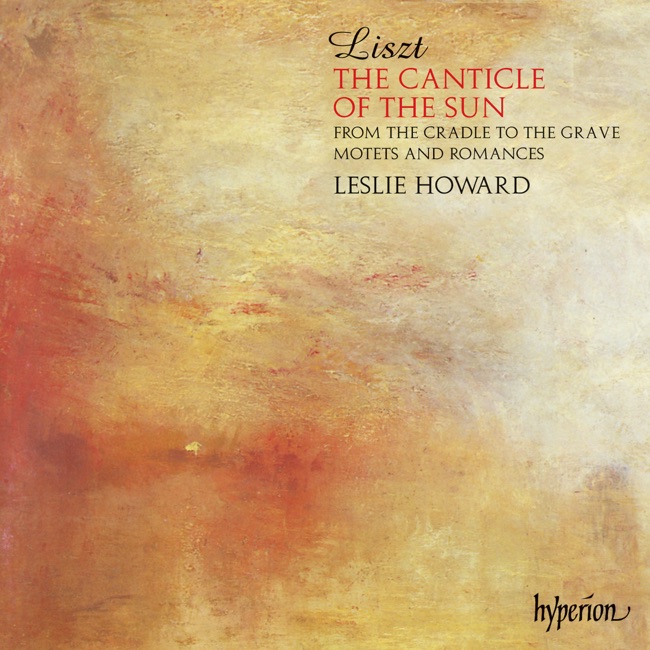
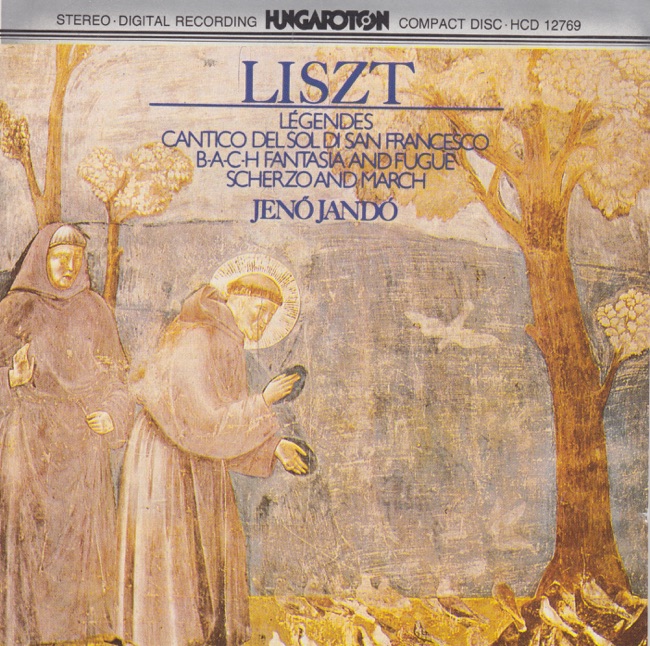
Cantico di San Francesco, S. 499
Released Album
Recent Album
-
-
-
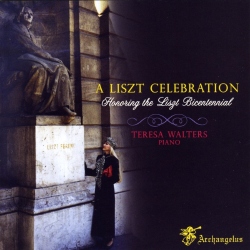
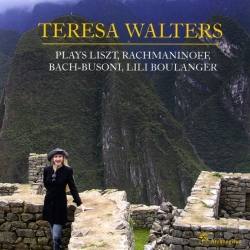
 Teresa WaltersJanuary 1, 2011
 -
-
Works Info
Composer:Franz LisztGenre:KeyboardStyle:SongCompose Date:1881 - 1882Publication Date:1970Average_duration:10:57Franz Liszt's 'Cantico di San Francesco, S. 499' is a choral work that was composed in 1862. The piece was premiered in Rome in the same year, and it consists of three movements. The first movement is titled 'Pace non trovo' (I find no peace), the second movement is titled 'La tua pace' (Your peace), and the third movement is titled 'Preghiera del San Francesco' (Prayer of St. Francis). The first movement, 'Pace non trovo', is a setting of a poem by Petrarch. The music is characterized by a mournful melody that is sung by the choir. The accompaniment is sparse, with the piano providing a simple harmonic framework. The movement is marked by a sense of longing and restlessness, which is reflected in the text of the poem. The second movement, 'La tua pace', is a setting of a prayer attributed to St. Francis of Assisi. The music is more upbeat than the first movement, with a lively melody that is sung by the choir. The accompaniment is more complex, with the piano providing a rhythmic pulse that drives the music forward. The movement is marked by a sense of joy and peace, which is reflected in the text of the prayer. The third movement, 'Preghiera del San Francesco', is a setting of another prayer attributed to St. Francis of Assisi. The music is more contemplative than the second movement, with a slower tempo and a more introspective melody. The accompaniment is again sparse, with the piano providing a simple harmonic framework. The movement is marked by a sense of humility and devotion, which is reflected in the text of the prayer. Overall, 'Cantico di San Francesco, S. 499' is a beautiful and moving choral work that showcases Liszt's skill as a composer. The music is characterized by a sense of longing, joy, peace, humility, and devotion, which is reflected in the texts of the poems and prayers that the music is based on. The piece is a testament to the enduring power of St. Francis of Assisi's message of peace and love, and it continues to inspire listeners to this day.More....
Works Music
Released Music