


Franz Liszt
Evocation à la Chapelle Sixtine (after Allegri & Mozart), S. 658
Released Album
Recent Album

Works Info
Composer:Franz LisztGenre:KeyboardStyle:Character PieceCompose Date:1862 - 1865Publication Date:1865Average_duration:14:54Franz Liszt's 'Evocation à la Chapelle Sixtine (after Allegri & Mozart), S. 658' is a piano piece that was composed in 1862. The piece was premiered in the same year in Weimar, Germany. The composition is divided into two movements, with the first movement being based on Allegri's 'Miserere' and the second movement being based on Mozart's 'Ave Verum Corpus'. The first movement of 'Evocation à la Chapelle Sixtine' is a transcription of Allegri's 'Miserere', which was originally composed for the Sistine Chapel in Rome. Liszt's transcription is faithful to the original work, with the piano imitating the choral parts of the original composition. The piece begins with a solemn and mournful melody, which is then followed by a series of variations that gradually build in intensity. The variations include intricate arpeggios, rapid runs, and dramatic chord progressions, all of which serve to heighten the emotional impact of the piece. The second movement of 'Evocation à la Chapelle Sixtine' is a transcription of Mozart's 'Ave Verum Corpus', which was composed in 1791. Liszt's transcription is again faithful to the original work, with the piano imitating the vocal parts of the original composition. The piece begins with a gentle and peaceful melody, which is then followed by a series of variations that explore the full range of the piano. The variations include delicate trills, rapid runs, and complex harmonies, all of which serve to showcase the virtuosity of the pianist. Overall, 'Evocation à la Chapelle Sixtine' is a powerful and emotional work that showcases Liszt's skill as a transcriber and pianist. The piece is characterized by its intricate harmonies, dramatic chord progressions, and virtuosic piano writing. It is a testament to the enduring power of the works of Allegri and Mozart, as well as to Liszt's ability to bring their music to life in a new and exciting way.More....
Works Music
Released Music
1
Evocation à la Chapelle Sixtine (after Allegri & Mozart), p. 658
Evocation à la Chapelle Sixtine, S. 658
14:26
2
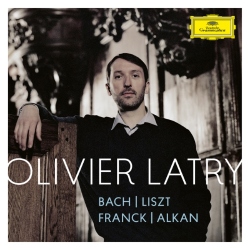
15:7
3
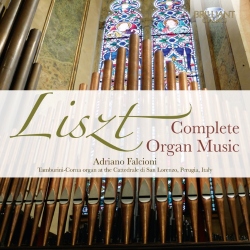
15:33
4
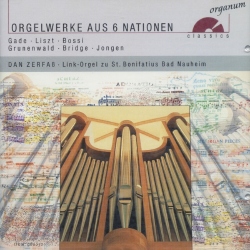
18:37
5
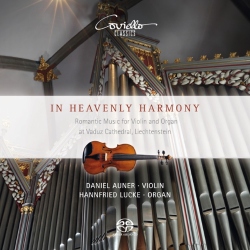
Evocation à la Chapelle Sixtine (after Allegri & Mozart), p. 658
Evocation à la Chapelle Sixtine
13:50
6
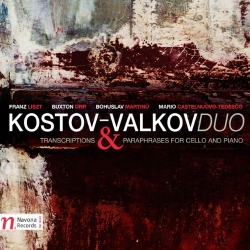
Evocation à la Chapelle Sixtine (after Allegri & Mozart), p. 658
Evocation á la Chapelle Sixtine, S461
14:45
7
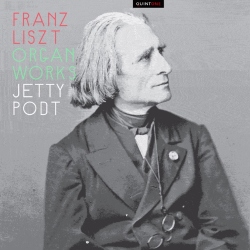
13:1
8
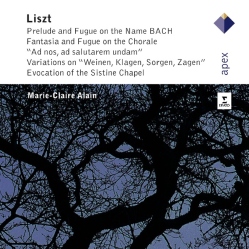
Evocation à la Chapelle Sixtine (after Allegri & Mozart), p. 658
Évocation à la Chapelle Sixtine, S. 658
13:27
9
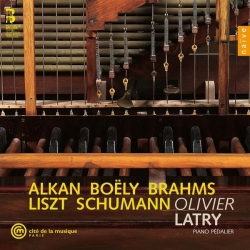
Evocation à la Chapelle Sixtine (after Allegri & Mozart), p. 658
Évocation à la Chapelle Sixtine, S. 658
14:23
10
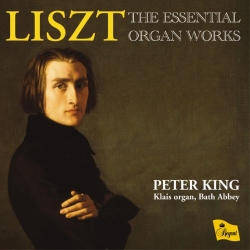
Evocation à la Chapelle Sixtine (after Allegri & Mozart), p. 658
Evocation à la Chapelle Sixtine
13:49