


Georg Philipp Telemann
Quartet for flute, violin, viola & continuo in C major, TWV 43:C1
Released Album
Recent Album
Works Info
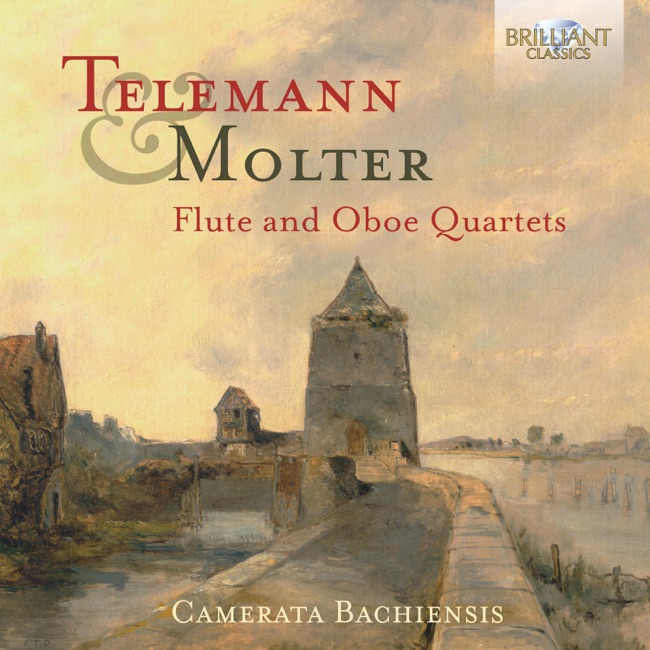
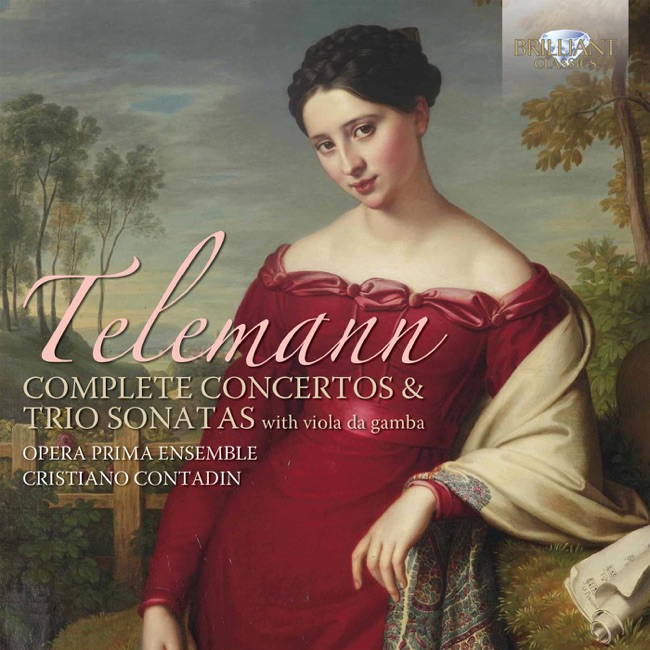
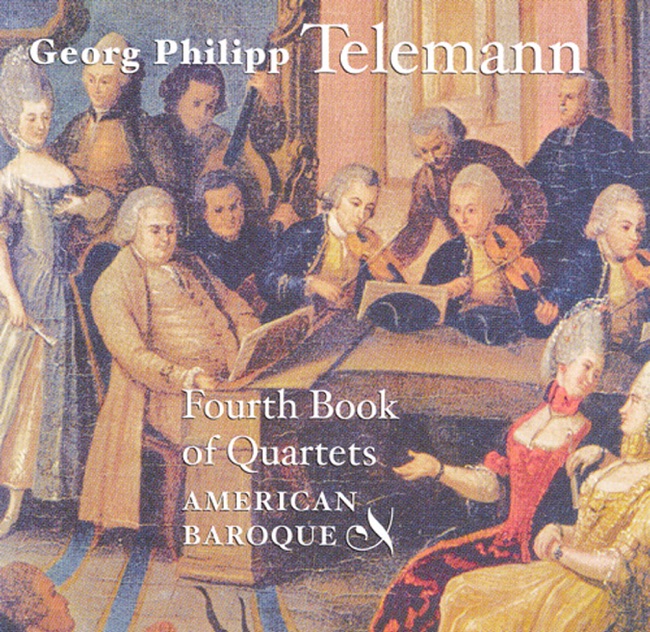
Composer:Georg Philipp TelemannGenre:ChamberStyle:Chamber MusicCompose Date:1752 - 1760Publication Date:1752 - 1760Average_duration:7:26Georg Philipp Telemann's Quartet for flute, violin, viola & continuo in C major, TWV 43:C1, was composed in the early 18th century. The exact date of composition is unknown, but it is believed to have been written between 1715 and 1720. The quartet was premiered in Hamburg, Germany, where Telemann was the director of music for the city's five main churches. The quartet consists of four movements: an opening Vivace, a slow Largo, a lively Allegro, and a final Allegro. The first movement is characterized by its bright and cheerful melody, which is passed between the flute and violin. The second movement is more contemplative, with a mournful melody played by the violin and viola. The third movement is a lively dance, with a playful melody that is passed between all four instruments. The final movement is a fast and energetic piece, with a driving rhythm and a lively melody that is shared between all four instruments. One of the most notable characteristics of Telemann's Quartet for flute, violin, viola & continuo in C major is its use of counterpoint. Throughout the quartet, the different instruments play independent melodies that weave together to create a complex and harmonious whole. This is particularly evident in the second movement, where the violin and viola play a duet that is both melancholy and beautiful. Another characteristic of the quartet is its use of the continuo, which provides a steady bass line and harmonic support for the other instruments. The continuo is played by a harpsichord or a cello, and it helps to give the quartet a sense of structure and coherence. Overall, Telemann's Quartet for flute, violin, viola & continuo in C major is a beautiful and complex piece of music that showcases the composer's skill at writing for multiple instruments. Its use of counterpoint and the continuo help to create a rich and harmonious sound that is both uplifting and contemplative.More....
Works Music
Released Music
1
2:13
2
Quartet for flute, violin, viola & continuo in C major, TWV 43:C1
Concerto in C TWV43:C3 for flute, viola da gamba, bassoon&harpsichord
10:16
3
2:4