


Nikolai Rimsky-Korsakov
The west dies out in the distant pallid rose, Op. 39/2
Released Album
Recent Album
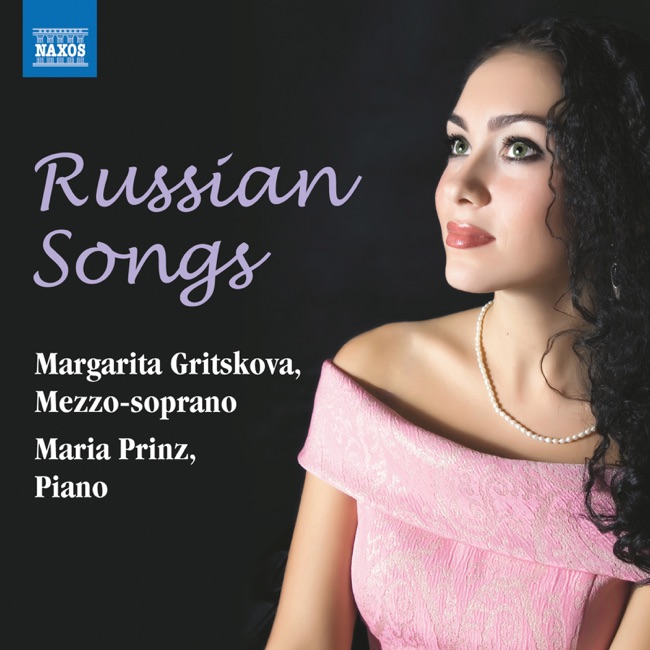
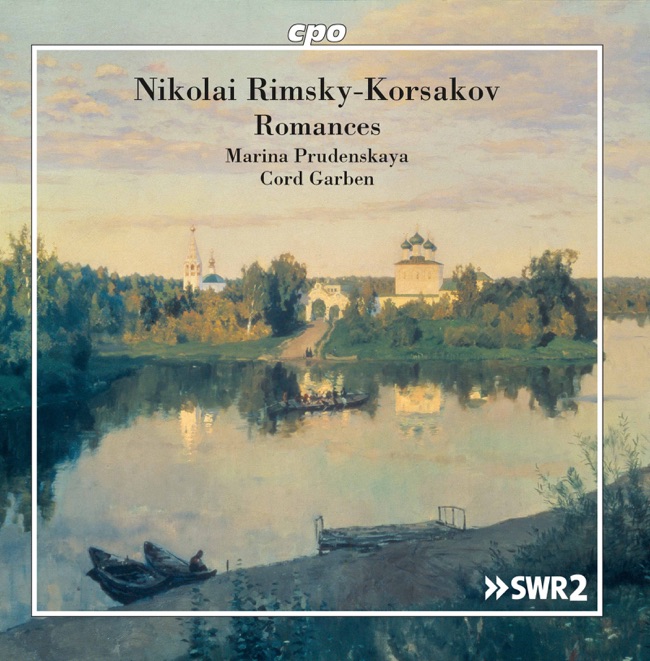
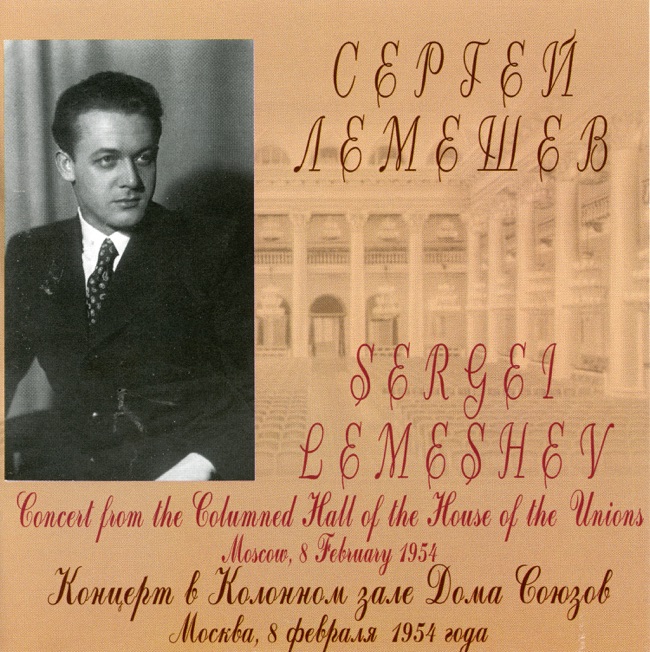

Works Info
Composer:Nikolai Rimsky-KorsakovGenre:VocalStyle:Vocal MusicCompose Date:1897Publication Date:1897Average_duration:3:21Nikolai Rimsky-Korsakov's "The West Dies Out in the Distant Pallid Rose, Op. 39/2" is a symphonic poem that was composed in 1897. It premiered on December 3, 1897, in St. Petersburg, Russia, conducted by the composer himself. The piece is divided into three movements, each depicting a different scene. The first movement, "The Sunset," begins with a slow and melancholic melody played by the strings, representing the dying sun. The music gradually builds up to a climax, symbolizing the last rays of light before the sun disappears below the horizon. The second movement, "The Night," is much darker and more ominous. The music is slow and brooding, with the low brass and percussion creating a sense of foreboding. The strings play a mournful melody, representing the darkness that has enveloped the land. The final movement, "The Dawn," is a hopeful and uplifting melody. The music starts quietly, with the strings playing a gentle melody that gradually builds up to a triumphant climax. The brass and percussion join in, creating a sense of joy and renewal. The music ends with a triumphant flourish, symbolizing the rebirth of the land. Overall, "The West Dies Out in the Distant Pallid Rose" is a beautiful and evocative piece of music. Rimsky-Korsakov's use of orchestration and melody creates a vivid picture of the changing landscape, from the dying sun to the darkness of night and the eventual rebirth of the land. The piece is a testament to Rimsky-Korsakov's skill as a composer and his ability to create powerful and moving music.More....
Works Music
Released Music
1
The west dies out in the distant pale rose, Op. 39/2
Zapad gasnet v dali bledno-rozovoy (In the west the pale rose sunset's darkening), Op. 39/2
2:40
2
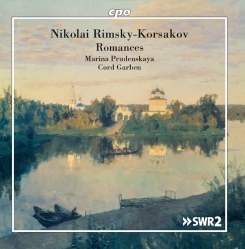
The west dies out in the distant pale rose, Op. 39/2
Zapad gasnet v dali bledno-rozovoj Op. 39,2
2:37
3
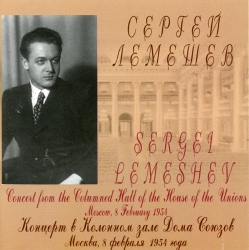
3:47
4

3:43