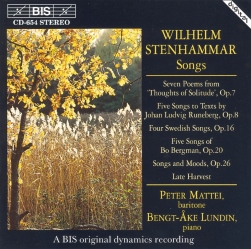
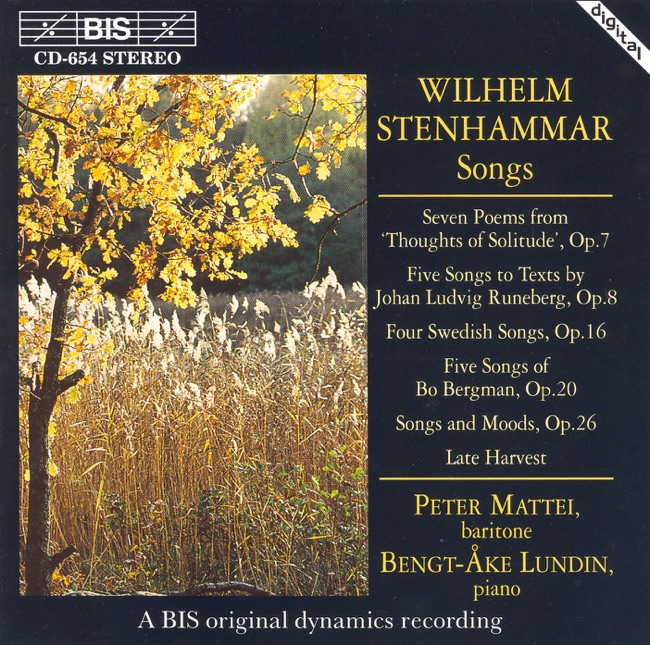
Wilhelm Stenhammar
Swedish Songs, Op. 16: No. 4, Fylgia
Released Album
Recent Album

Works Info
Composer:Wilhelm StenhammarGenre:VocalStyle:Vocal MusicAverage_duration:1:51Swedish Songs, Op. 16: No. 4, Fylgia is a composition by Swedish composer Wilhelm Stenhammar. It was composed in 1904 and premiered the same year in Stockholm. The piece is part of a collection of six songs, all of which are settings of Swedish folk poetry. Fylgia is the fourth song in the collection and is characterized by its haunting melody and melancholic tone. The piece is written for voice and piano and is in the key of E minor. The song is marked by a slow tempo and a sense of longing, which is conveyed through the use of chromaticism and dissonance. The text of the song is taken from a poem by Swedish poet Erik Axel Karlfeldt. The poem tells the story of a woman who is haunted by a spirit, or fylgia, that follows her wherever she goes. The spirit is a symbol of the woman's past and the mistakes she has made in her life. The song captures the sense of regret and sadness that the woman feels as she is pursued by her fylgia. The piece is divided into three sections, each of which is marked by a change in tempo and mood. The first section is slow and mournful, with the voice and piano moving in parallel motion. The second section is faster and more agitated, with the piano taking on a more prominent role. The final section returns to the slow tempo of the opening, with the voice and piano once again moving in parallel motion. Overall, Swedish Songs, Op. 16: No. 4, Fylgia is a powerful and evocative piece of music that captures the essence of Swedish folk poetry. Its haunting melody and melancholic tone make it a favorite among fans of Stenhammar's work and Swedish classical music in general.More....
Works Music
Released Music