Nicolaus Adam Strungk
Capriccio in E minor
Released Album
Recent Album
Works Info
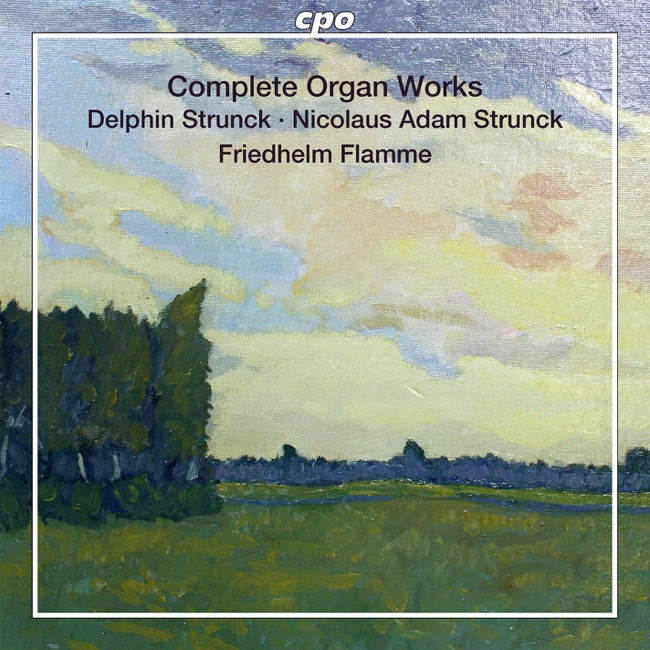
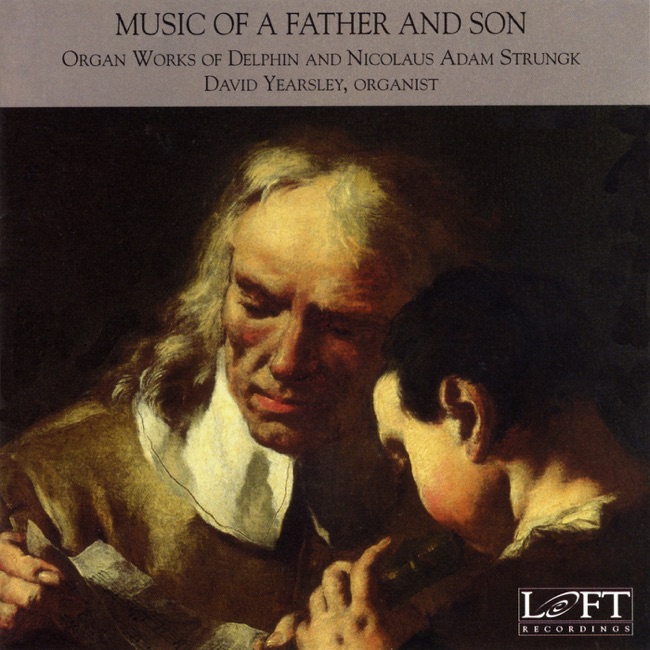
Composer:Nicolaus Adam StrungkGenre:KeyboardStyle:KeyboardAverage_duration:3:42Nicolaus Adam Strungk was a German composer and organist who lived from 1640 to 1700. He was a prolific composer of instrumental and vocal music, and his works were highly regarded during his lifetime. One of his most famous works is the Capriccio in E minor, which was composed for keyboard in the late 17th century. The Capriccio in E minor is a single-movement work that is characterized by its virtuosic keyboard writing and its lively, dance-like rhythms. It is written in the key of E minor and is structured in a series of contrasting sections that showcase the composer's skill in creating varied textures and moods. The piece begins with a lively and energetic opening section that features a fast-paced melody played in the right hand over a driving bass line in the left hand. This section is followed by a more lyrical and expressive middle section that features a slower, more melodic theme played in the right hand over a simple accompaniment in the left hand. The middle section gradually builds in intensity and leads into a virtuosic cadenza that showcases the performer's technical skill and agility. This cadenza leads back into the opening section, which is repeated with some variations and embellishments. The Capriccio in E minor was likely composed for performance on a harpsichord or clavichord, which were popular keyboard instruments during the Baroque period. It was likely premiered in a private setting, such as a salon or court gathering, where it would have been performed by a skilled keyboardist for an audience of aristocrats and music lovers. Overall, the Capriccio in E minor is a lively and engaging work that showcases Strungk's skill as a composer and his ability to create varied and expressive keyboard music. Its virtuosic writing and dance-like rhythms make it a popular choice for keyboardists today, and it remains a testament to the rich musical tradition of the Baroque period.More....
Works Music